Menu

Philippine Standard Time:

From classrooms to communities, CNU is united in advancing the SDGs through collaboration and compassion.

CNU continues to make significant progress in partnership with the National Economic and Development Authority (NEDA), the Department of Science and Technology (DOST), and Barangay San Antonio in Boljoon, implementing the “From Farm to Market: Co-creating the Cinnamon Industry in Cebu, Philippines “ project under the NEDA National Innovation Grant 2024. In addition to strengthening community-based enterprise development and environmental stewardship through science- driven capacity building, this initiative aims to uplift cinnamon growers by enhancing sustainable cultivation, creative product development, and local market integration for Cinnamomum mindanaense, or “ mana.”

The project’ s main results include farmer ’ s training on sustainable and innovative harvesting practices, skills enhancement on cinnamon-based development, stakeholders meeting for policy consultation, training workshop for the development of cinnamon-based educational materials and cultural presentations, and the current building of a cinnamon processing facility in Alegria, Cebu. Through this partnership, CNU advance sustainable resource management and knowledge exchange. This collaboration ensures the growth of the cinnamon industry to remain inclusive, community driven, and environmentally responsible.

From Farm to Market: Co-creating the Cinnamon Industry in Cebu

FOSTERING INTERNATIONAL DIALOGUE AND SUSTAINABILITY-ORIENTED HIGHER EDUCATION LEADERSHIP

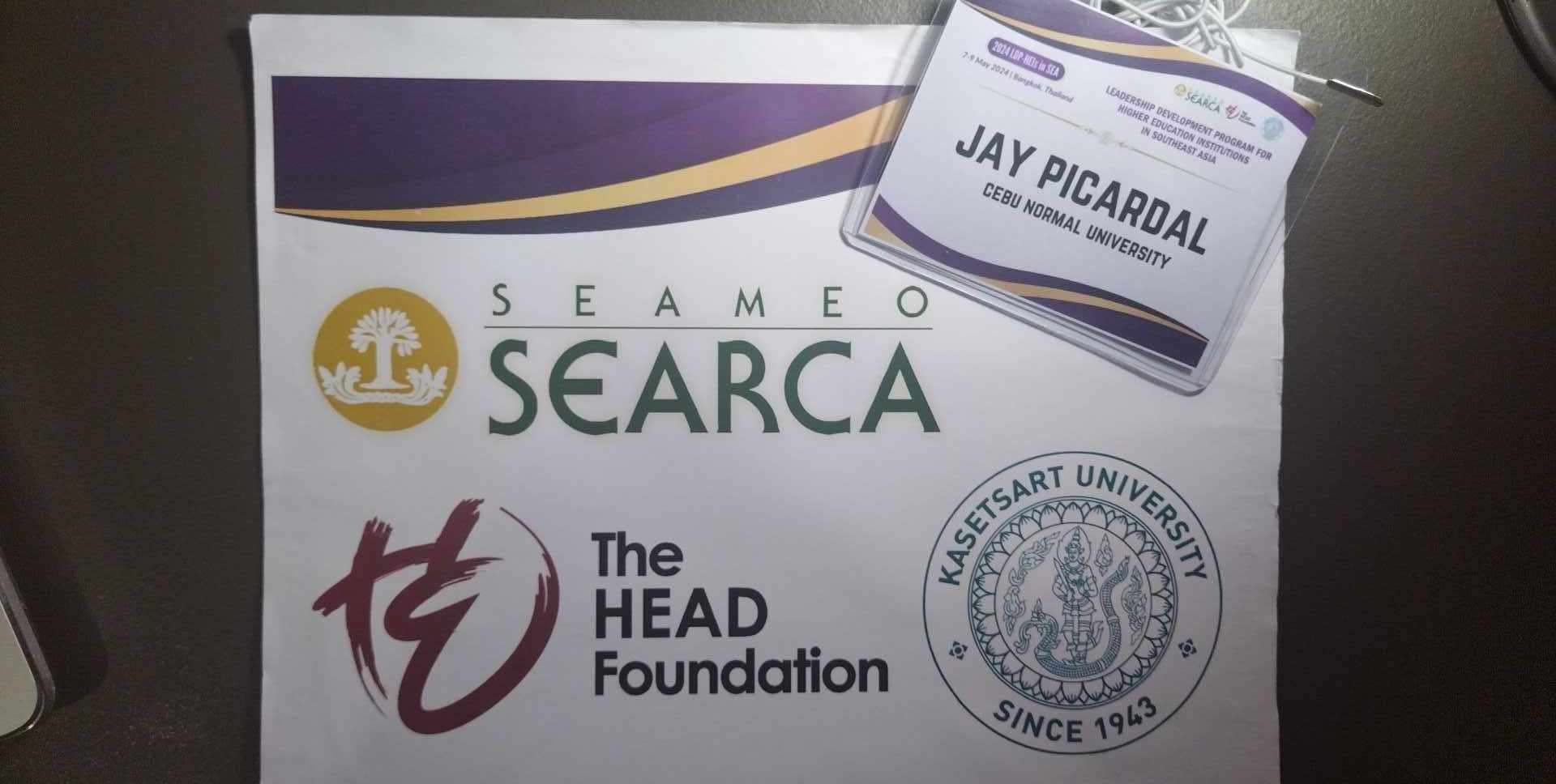
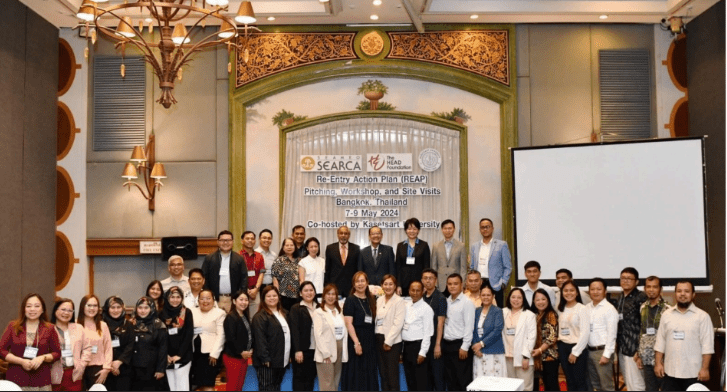
The 2024 Leadership Development Program for Higher Education Institutions (LDP-HEIs) in Southeast Asia served as an important platform for international and cross-sectoral dialogue on sustainability, innovation, and future-ready university leadership. With its theme, “Designing and Leading Your University to the Desired Future, ” the hybrid regional program brought together higher education leaders across Southeast Asia to examine the evolving role of universities in addressing global challenges anchored on the SDGs.

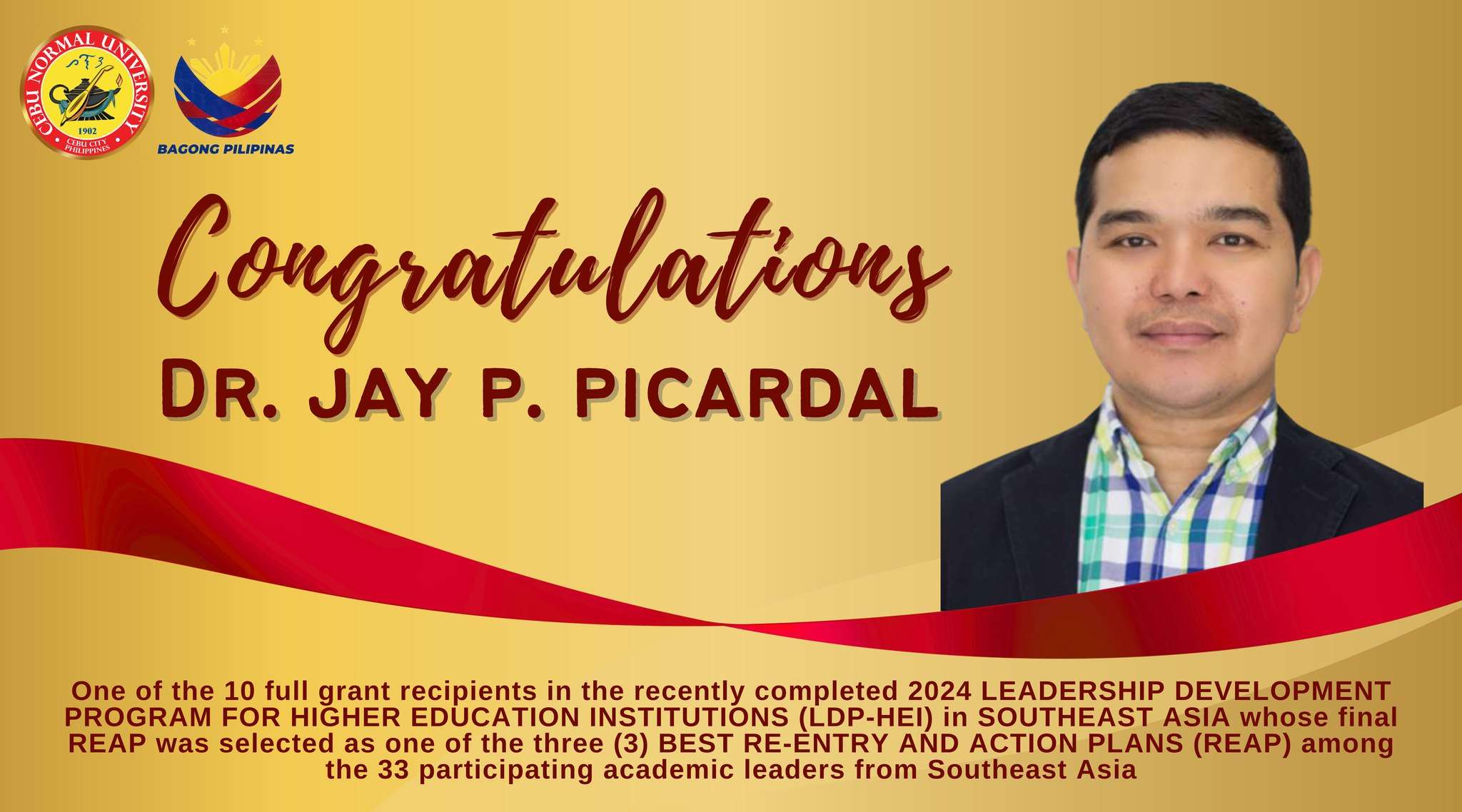
This was an opportunity to recognize and learn the function of HEIs and their reliance on essential stakeholders, delve into potential partnerships with various universities, and evolve into strategic thinking leaders. Dr. Jay Picardal, Director of the Research Institute of Tropical Biology & Pharmacological Biotechnology (RITBPB), championed his project “From Farm to Market: Co-creating the Cinnamon Industry in Cebu, Philippines” which focuses on sustainable and innovative harvesting practices for farmers and developing cinnamon-based educational materials and cultural presentations.

OUTREACH AND PARTNERSHIP

Through shared action and meaningful partnerships, CNU empowers communities and drives progress toward the world we all envision

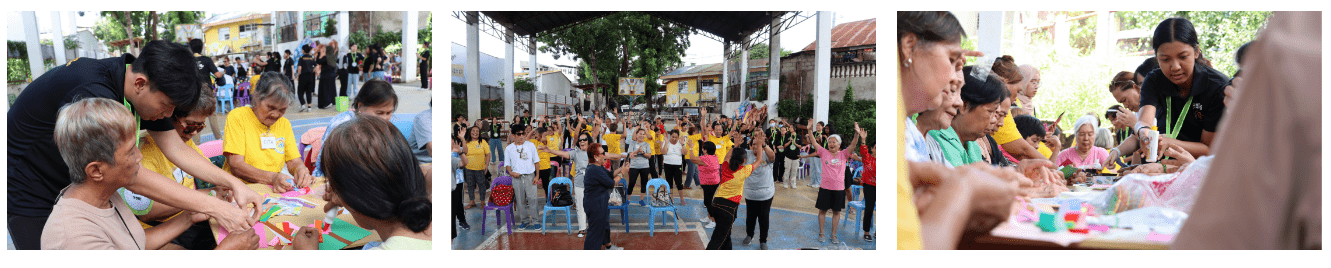
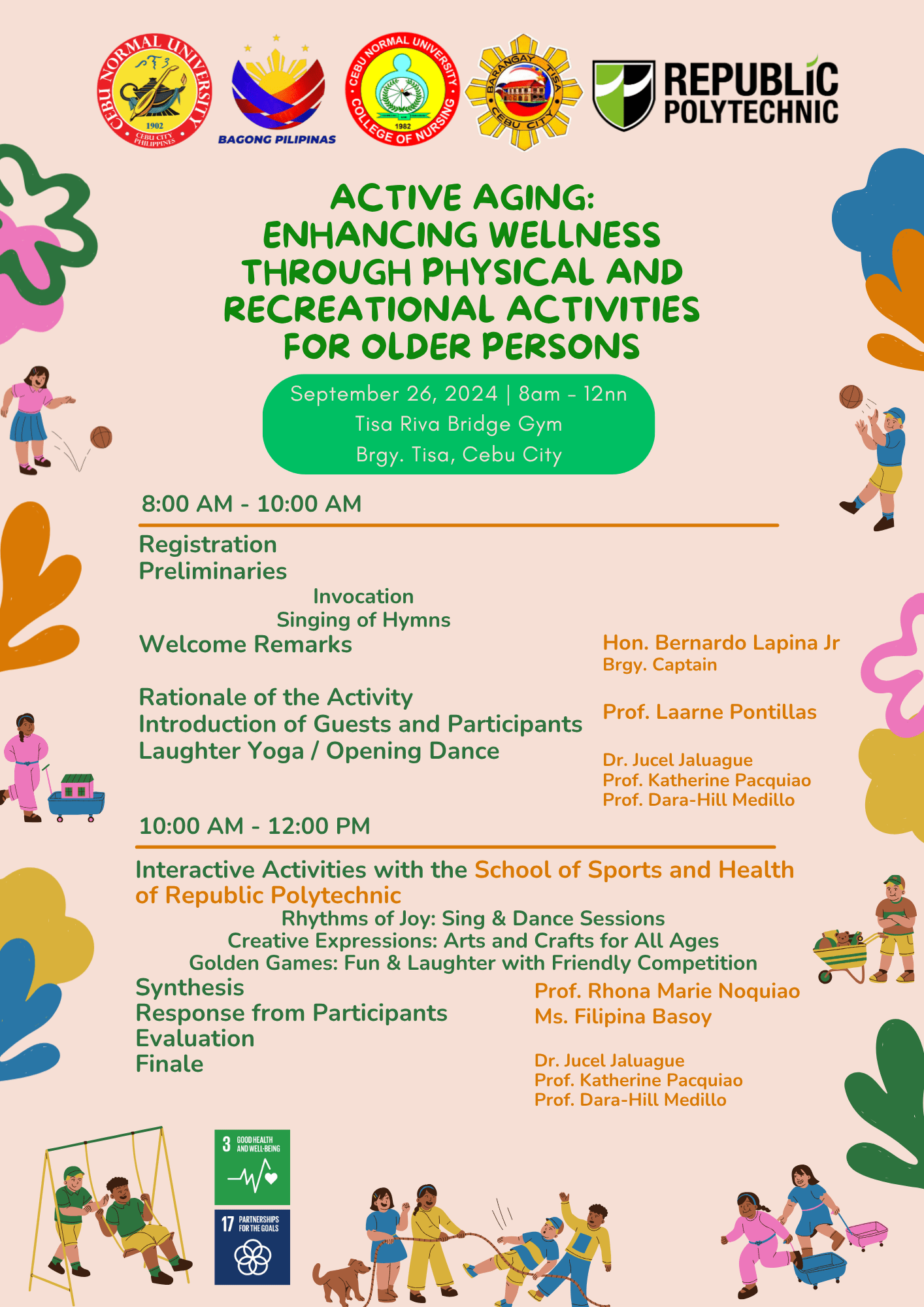
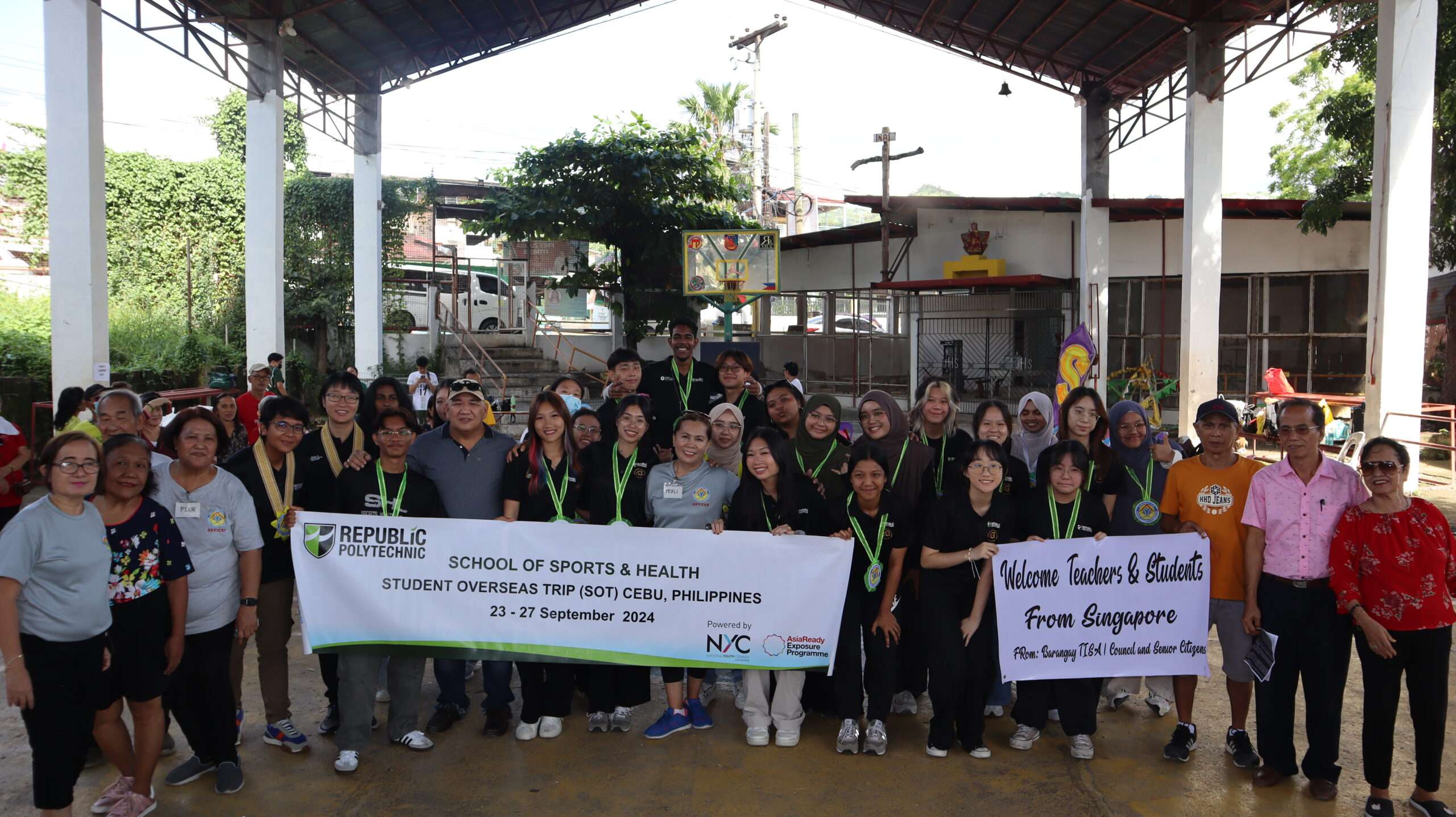
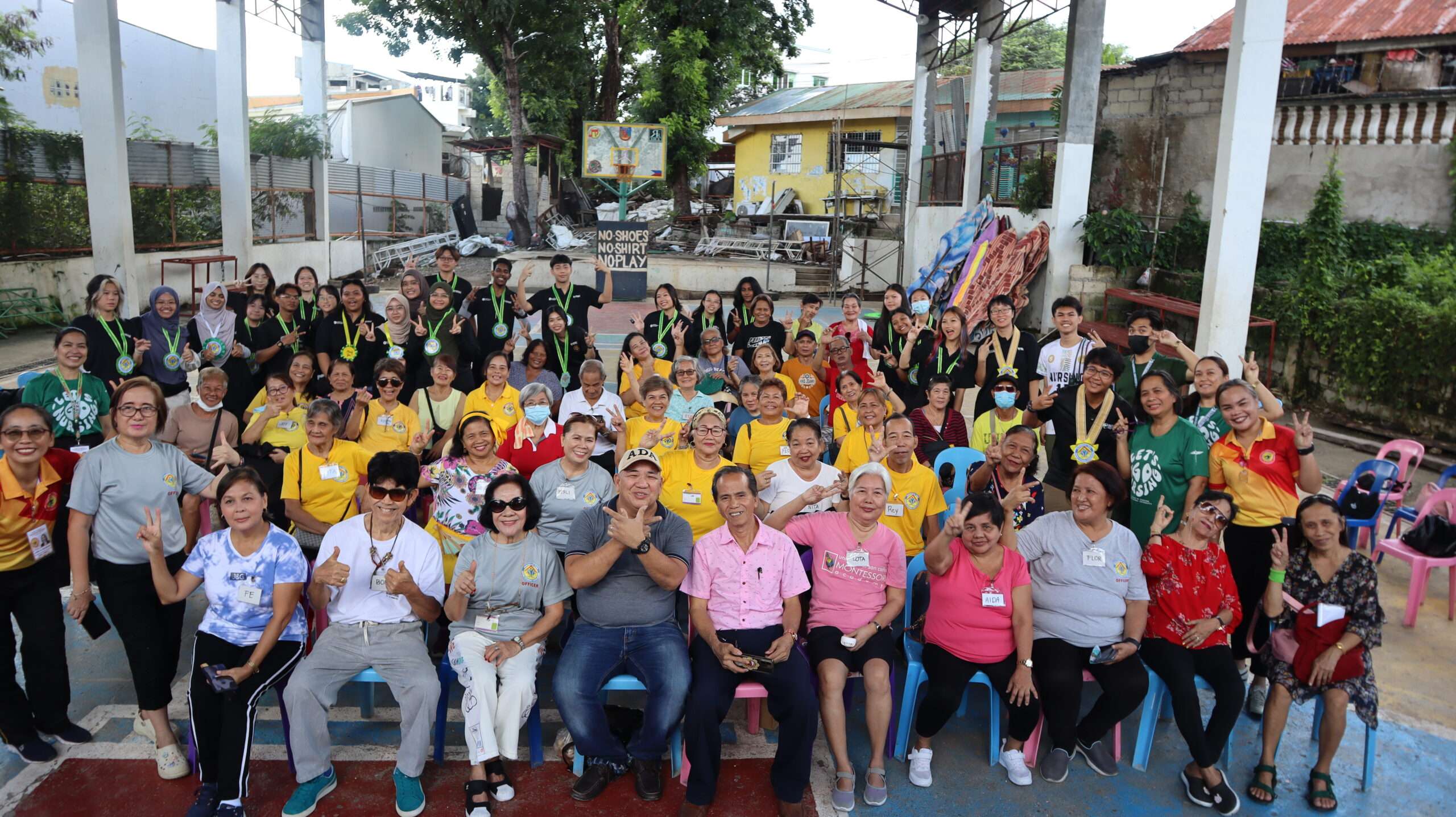
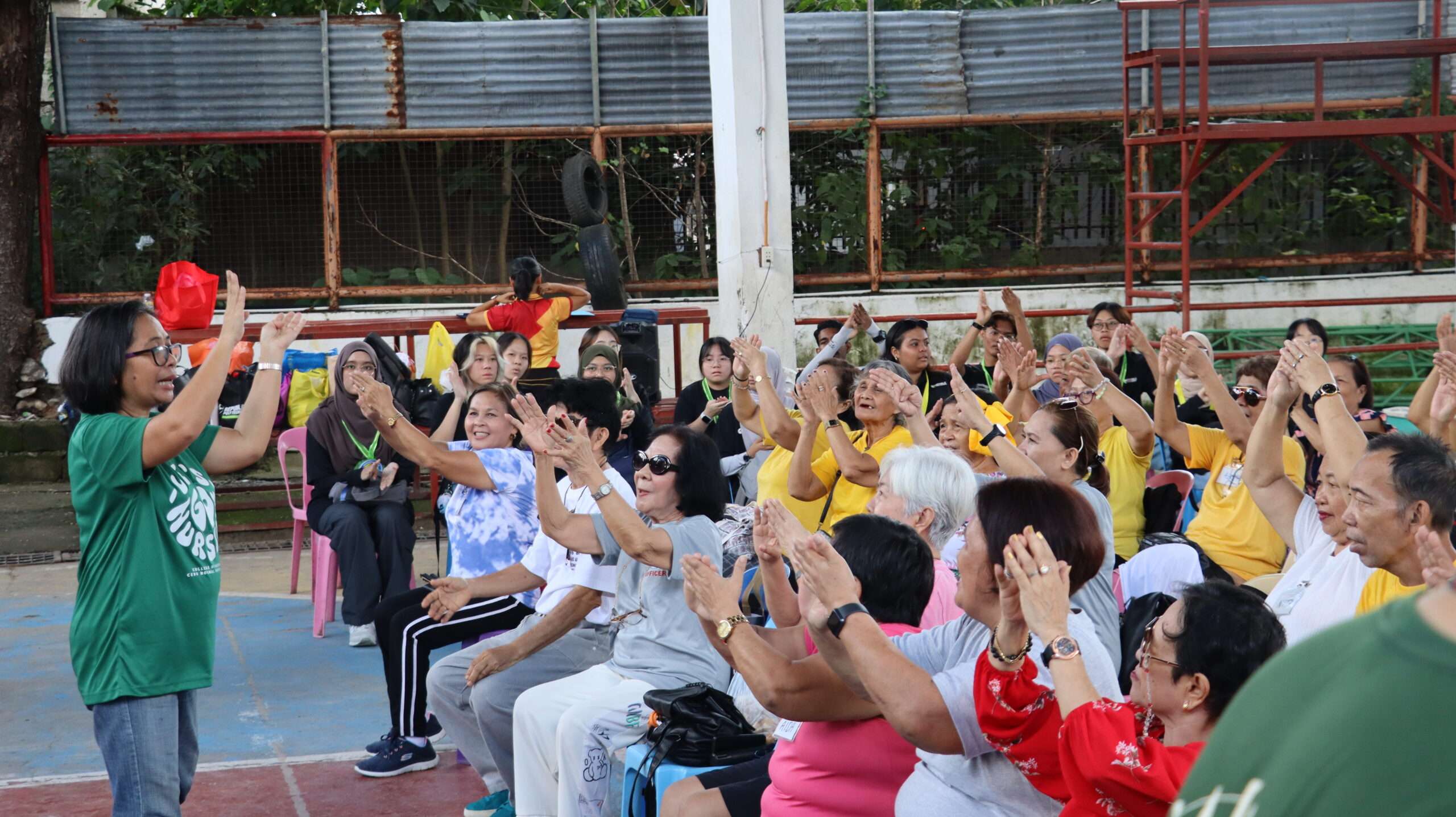
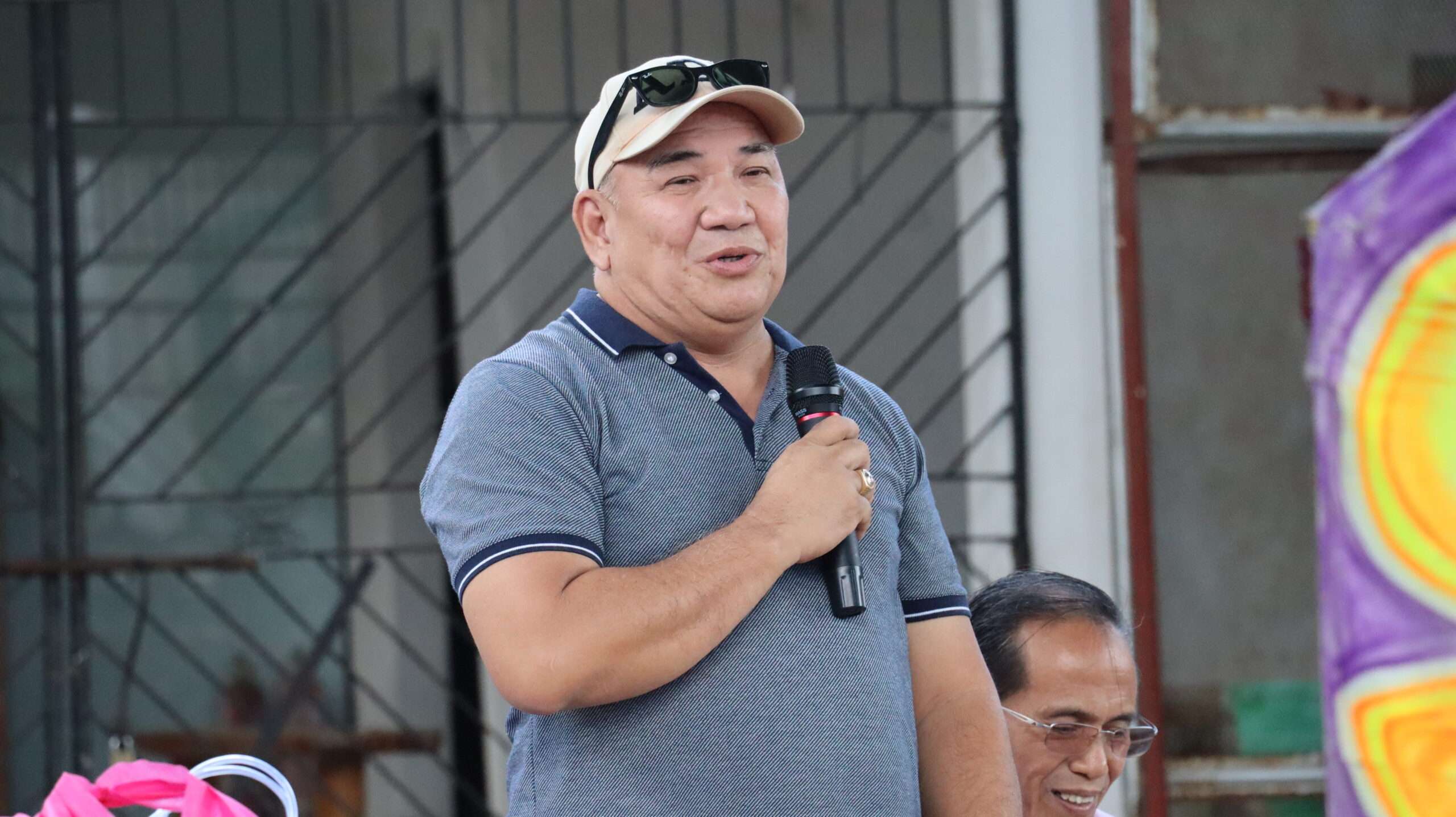
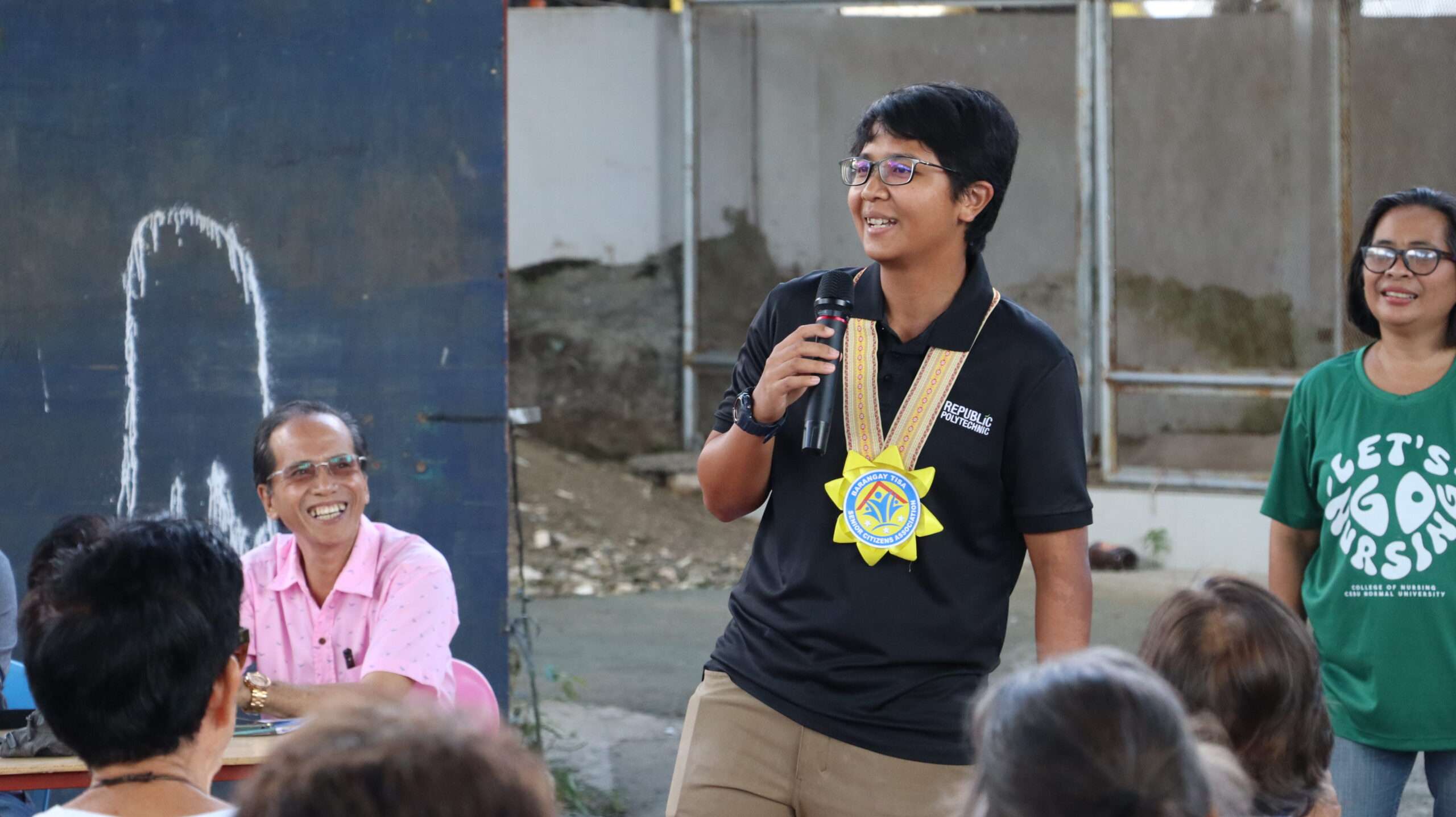
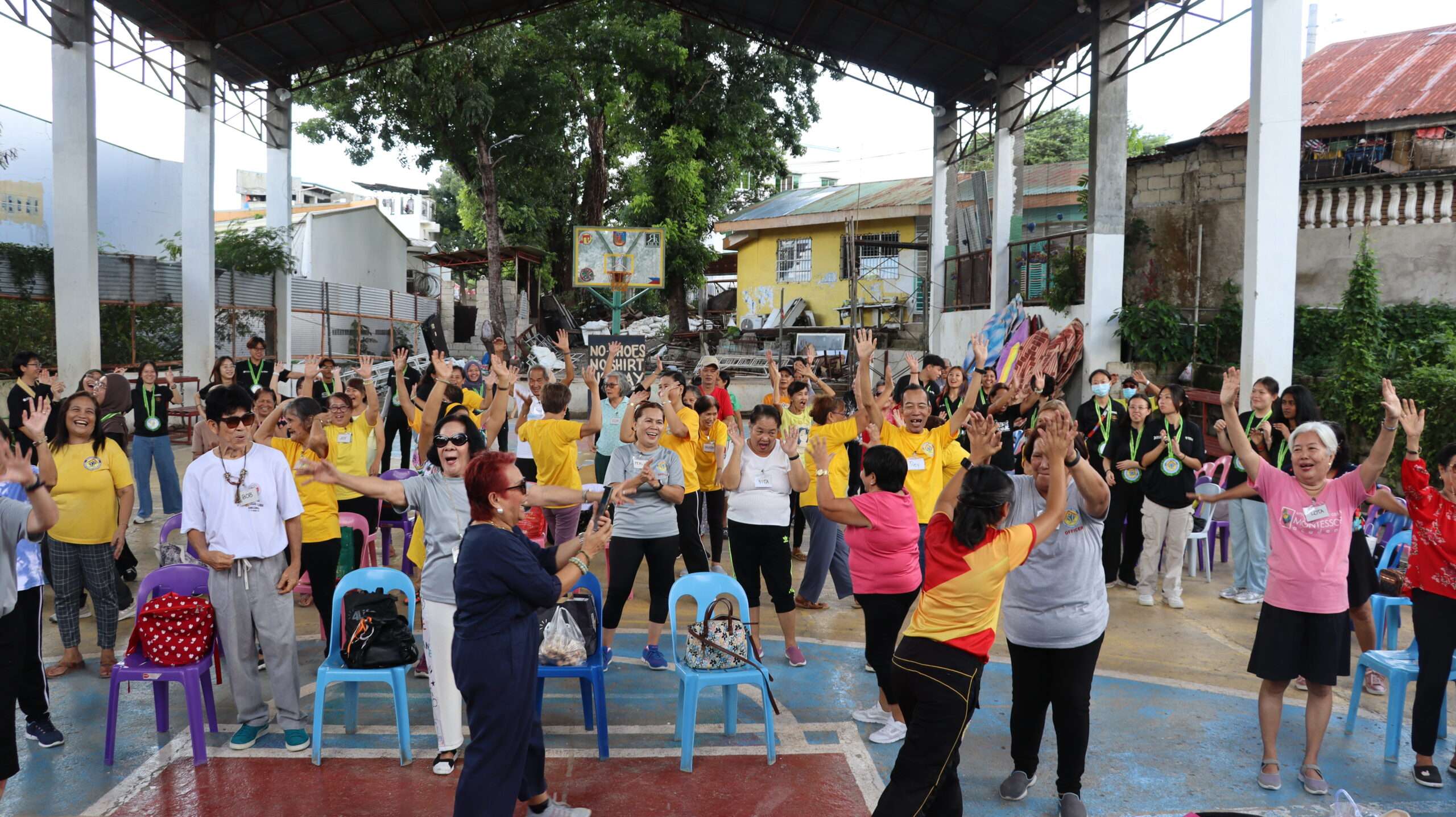
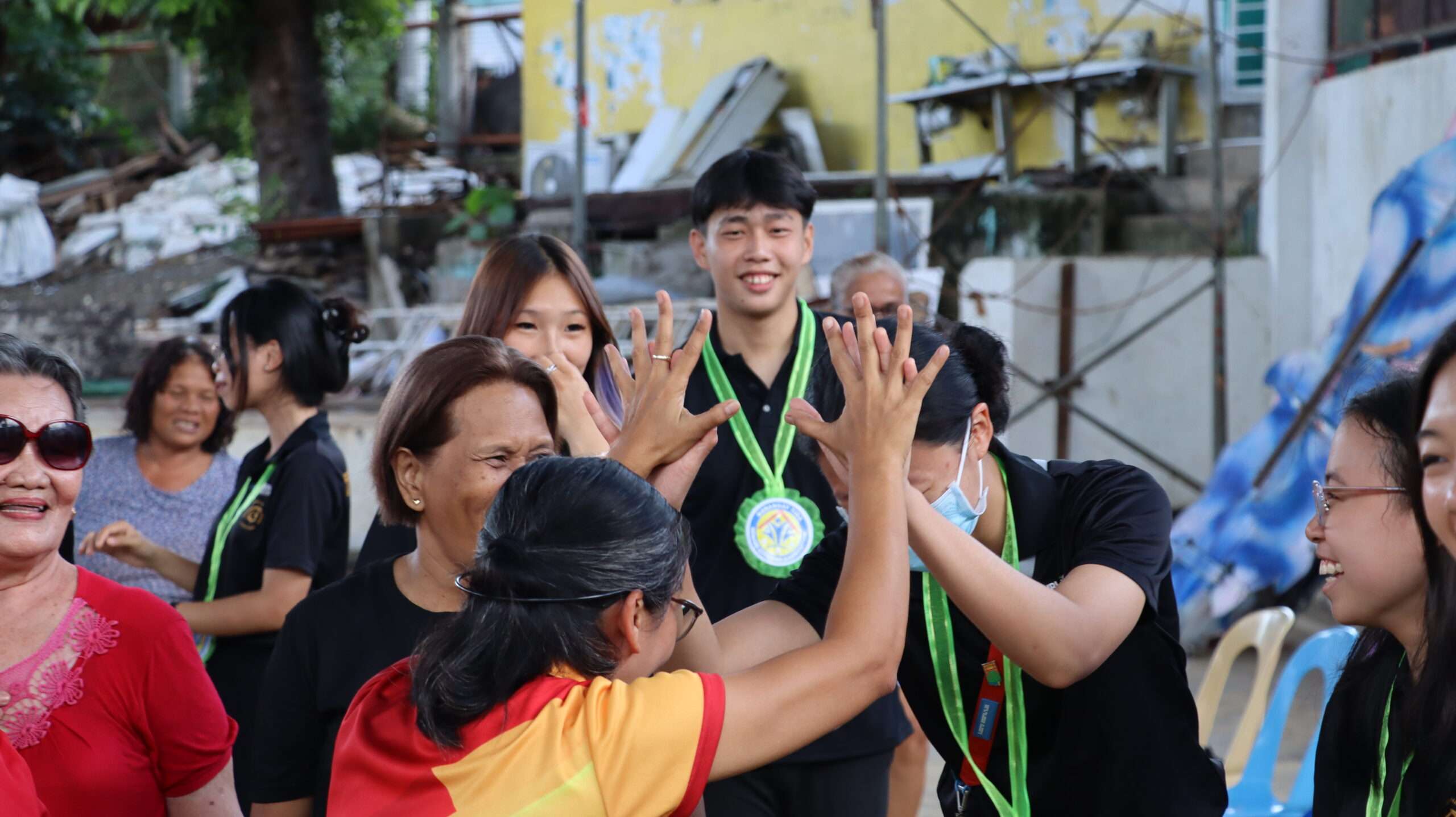
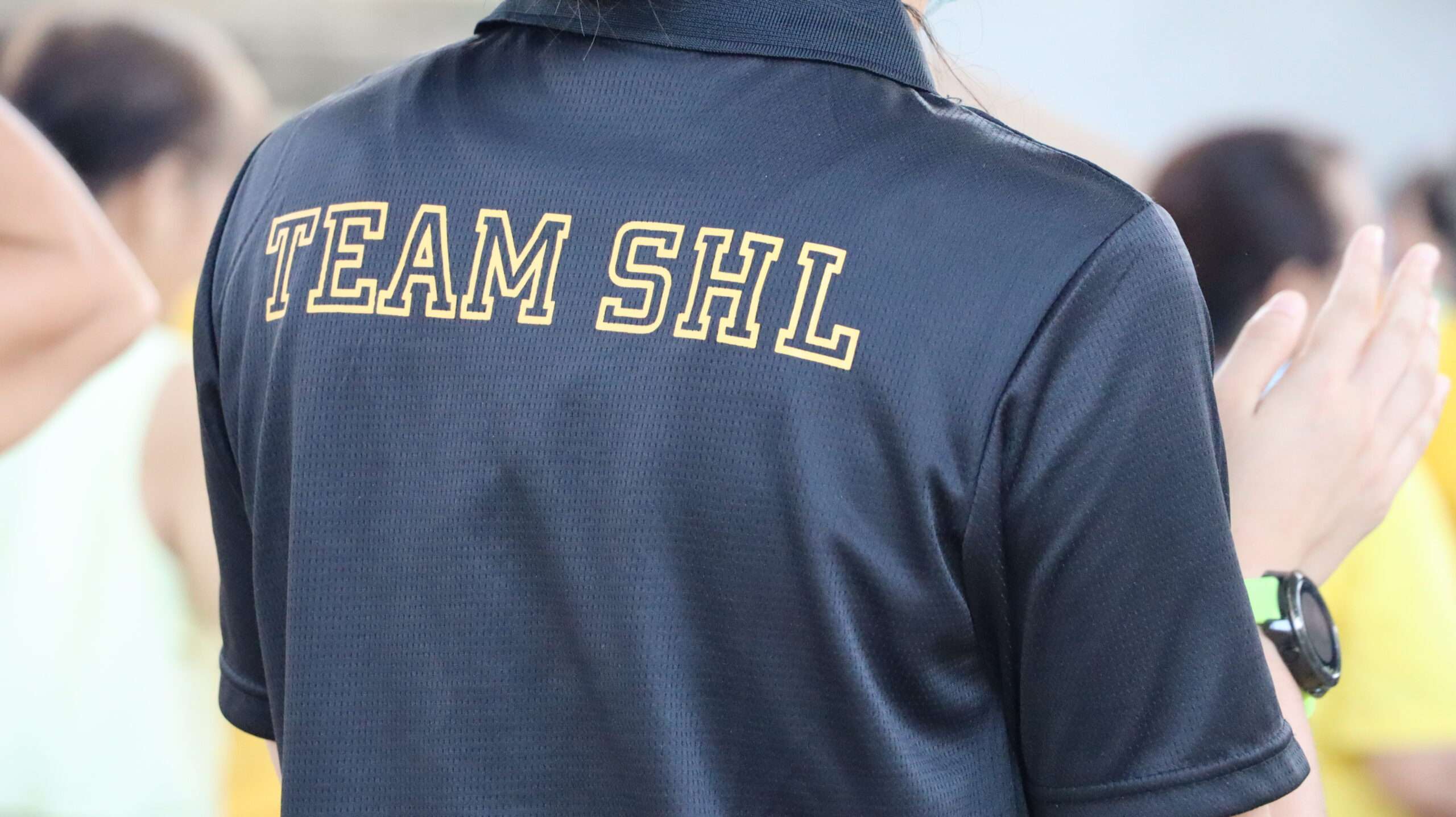
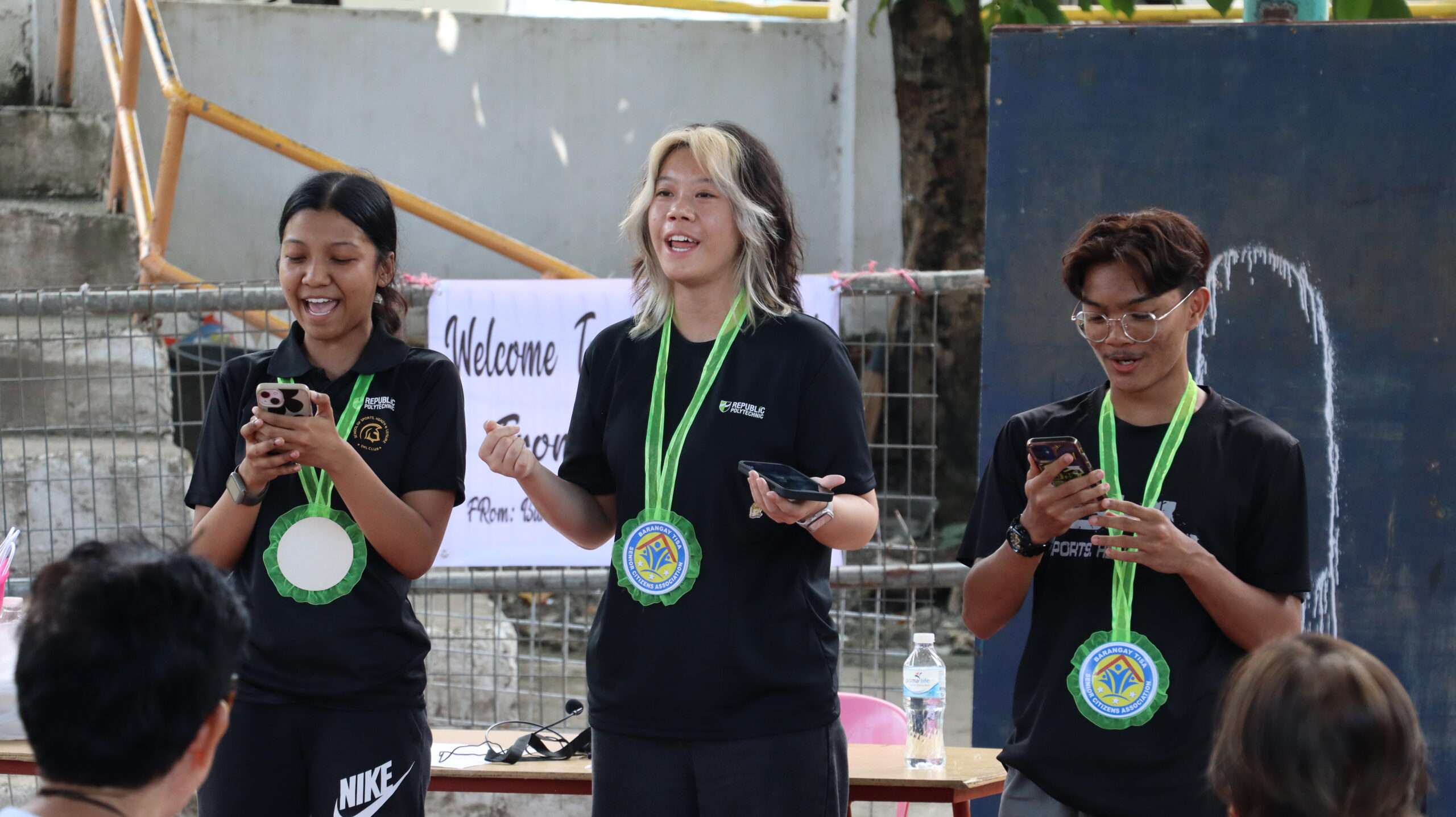
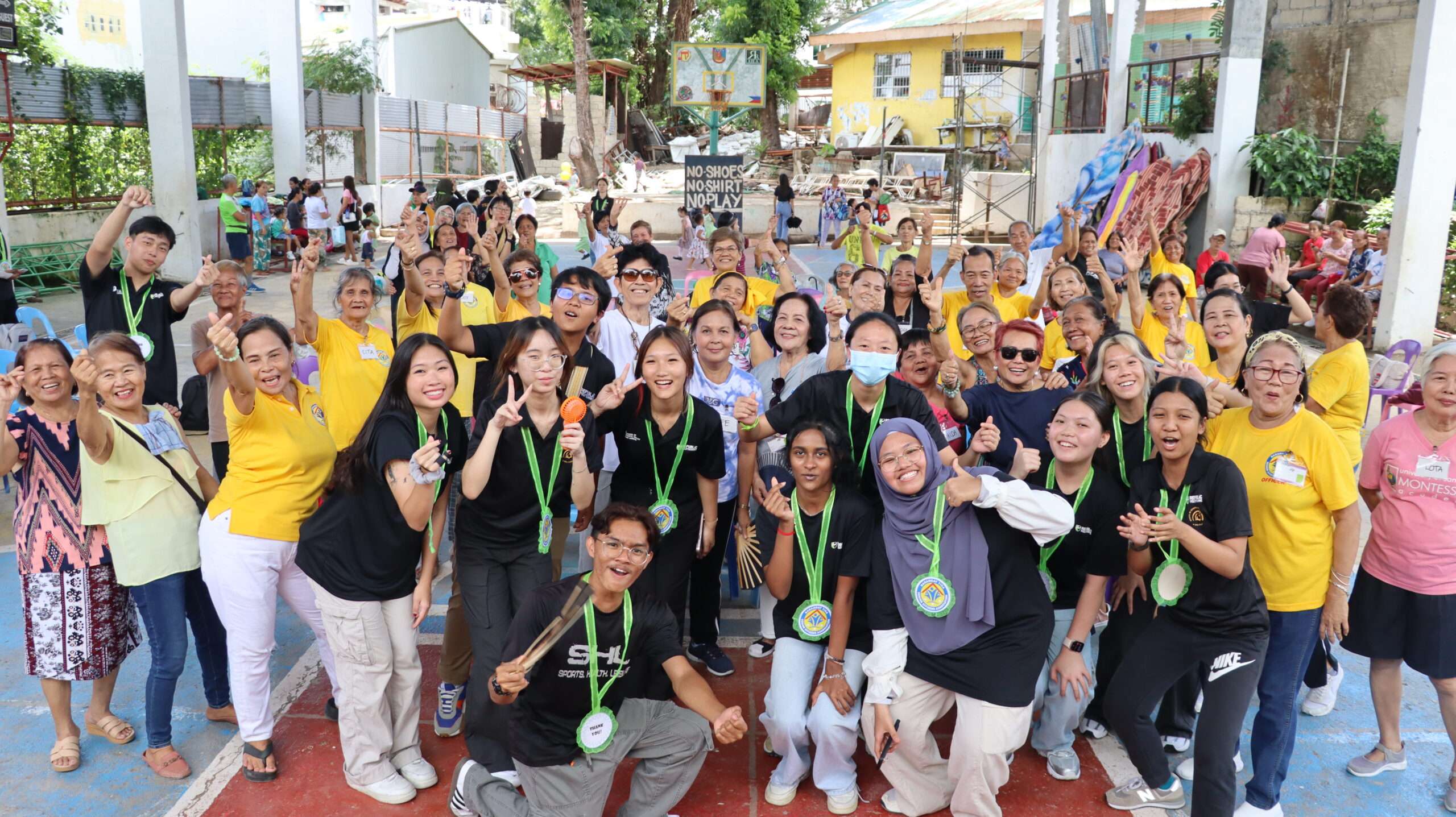
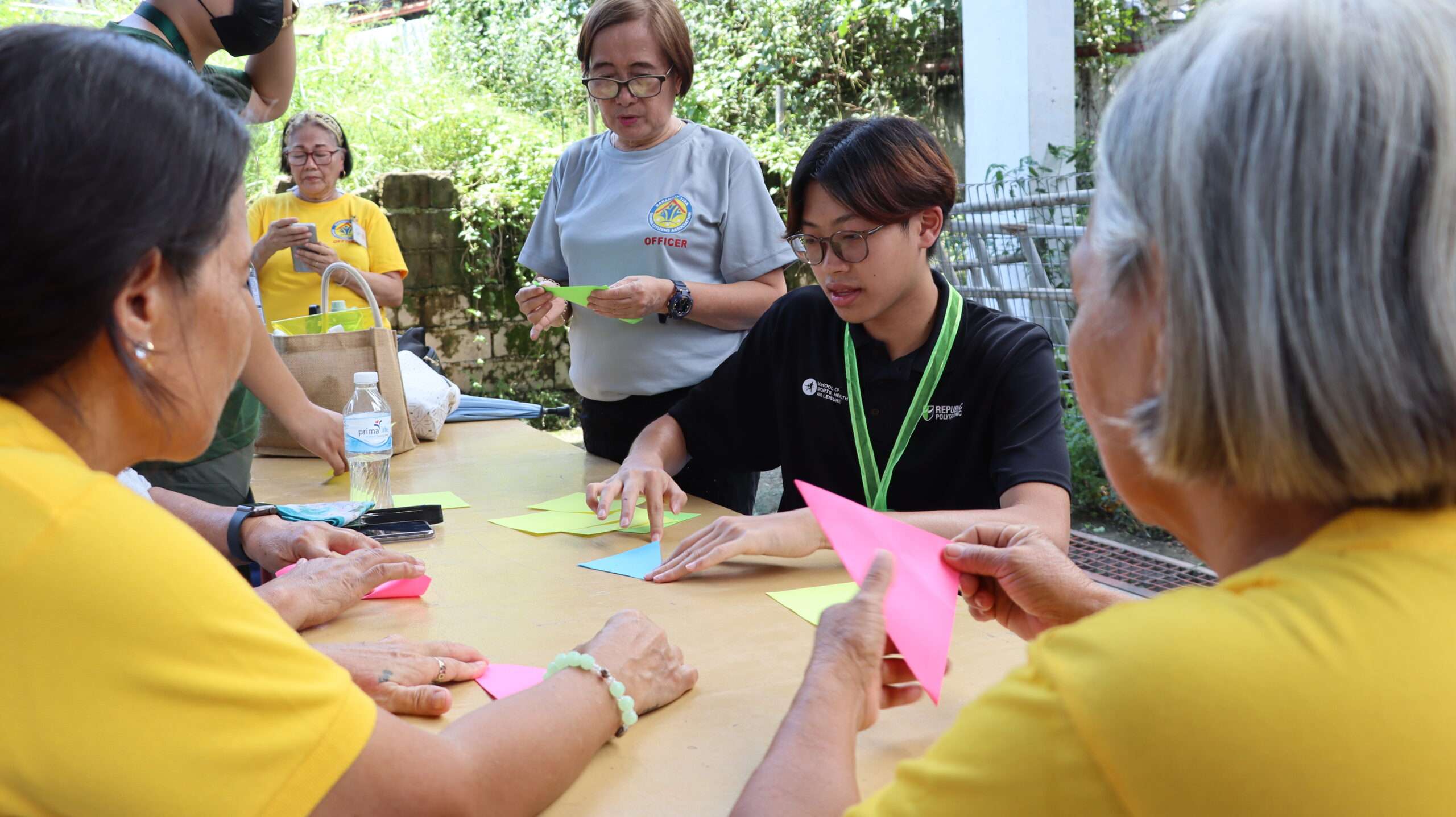
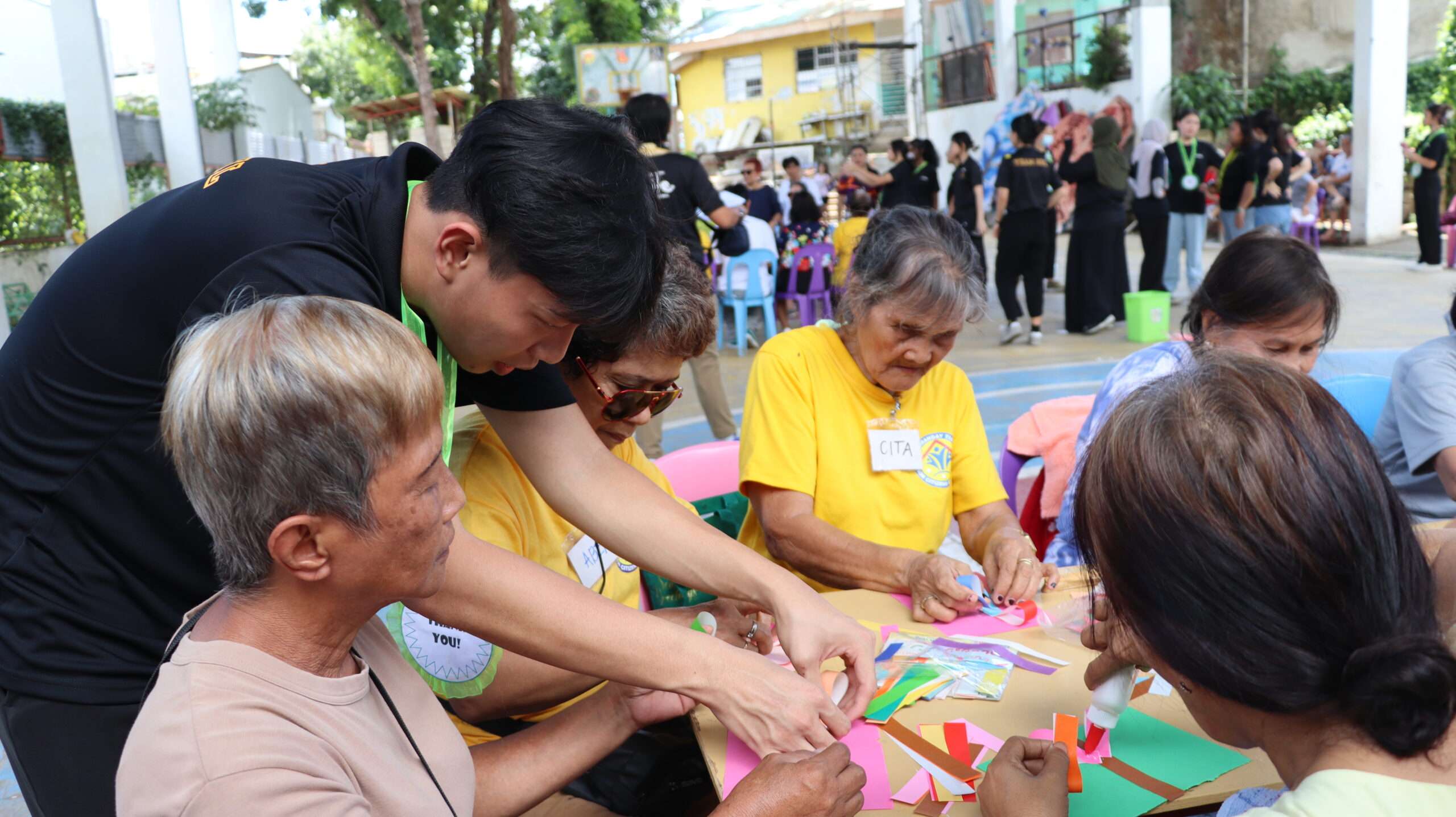
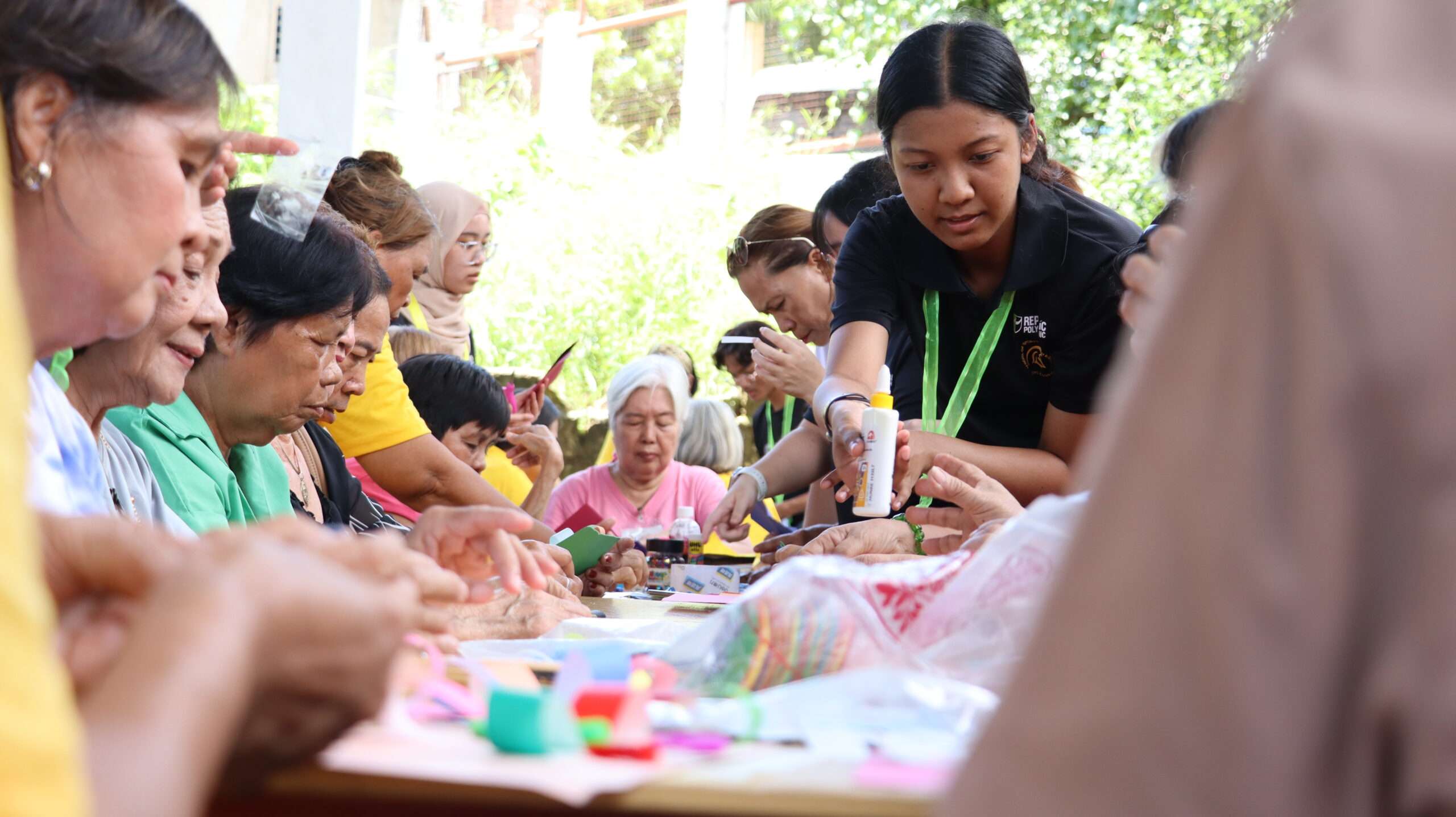
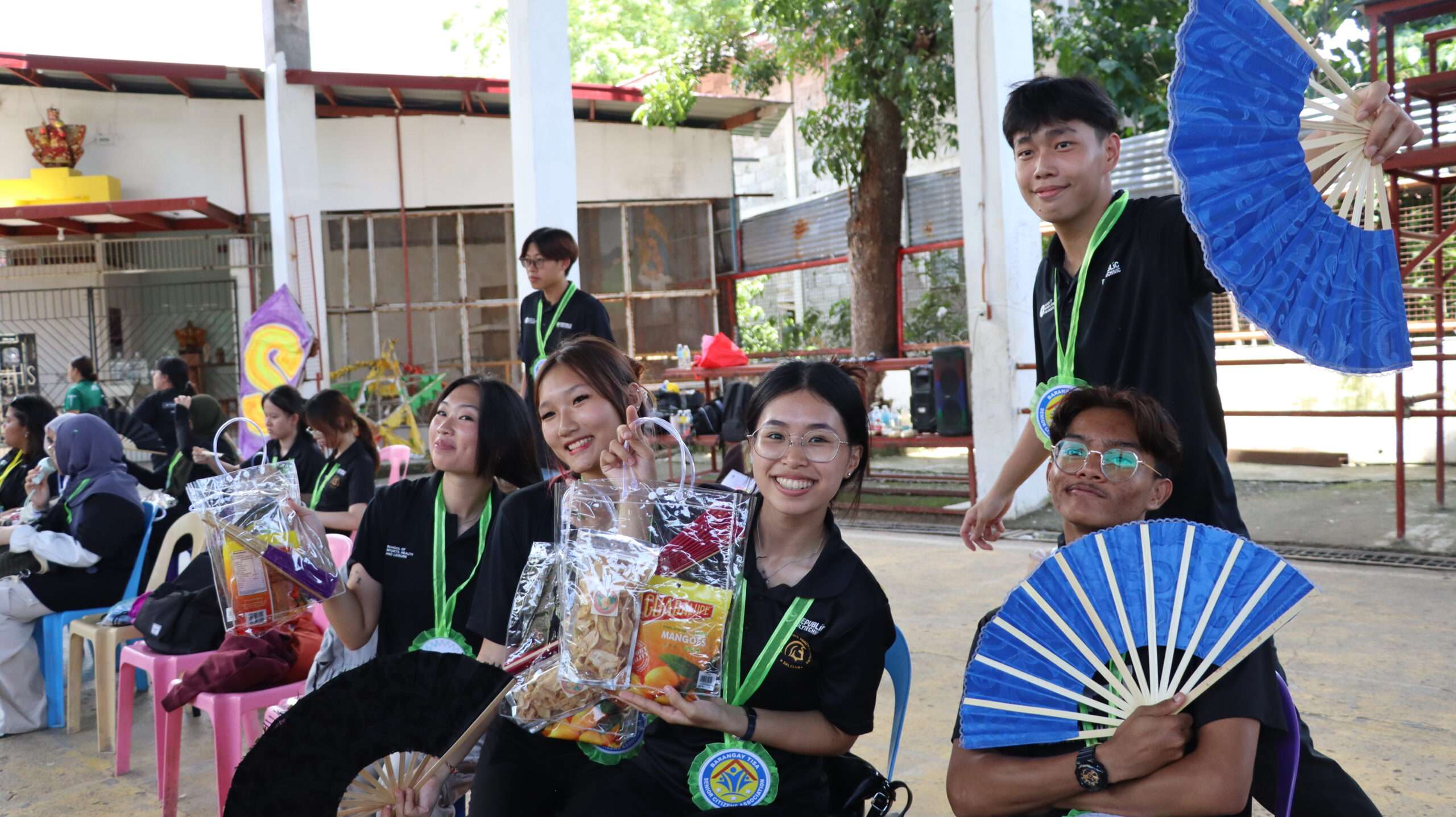
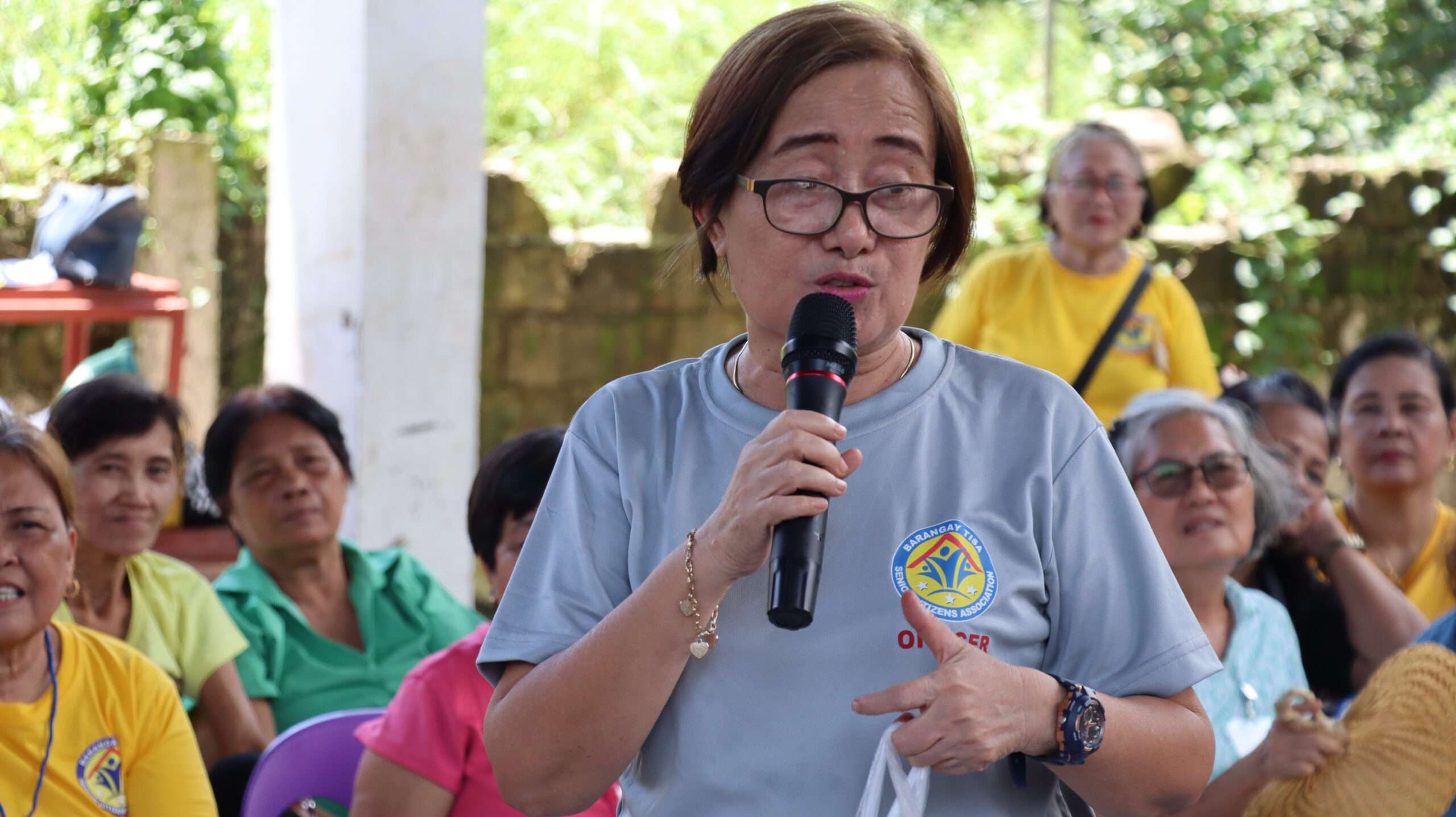
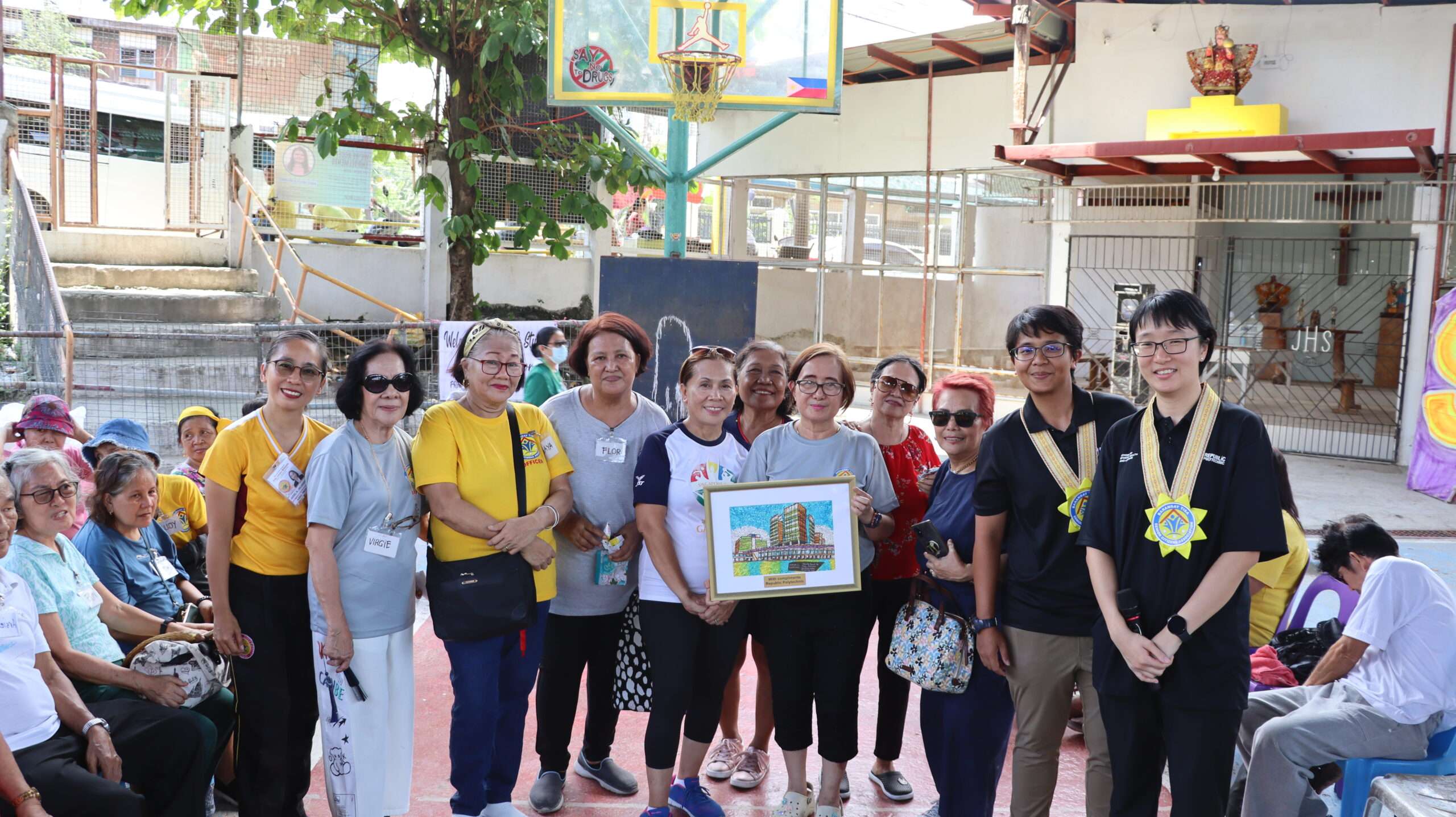
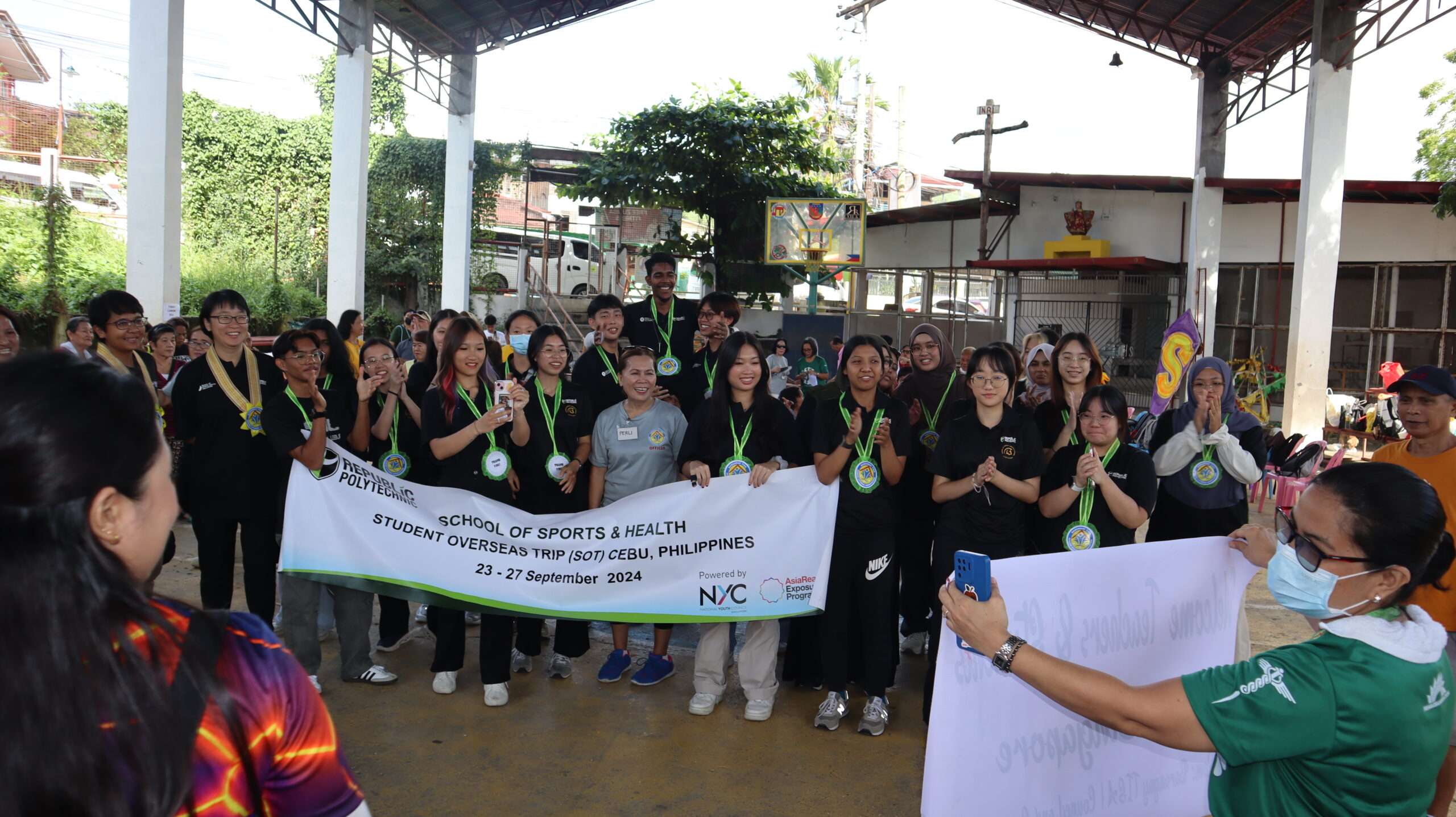
Active Aging: Enhancing Wellness Through Physical and Recreational Activities For Older Persons

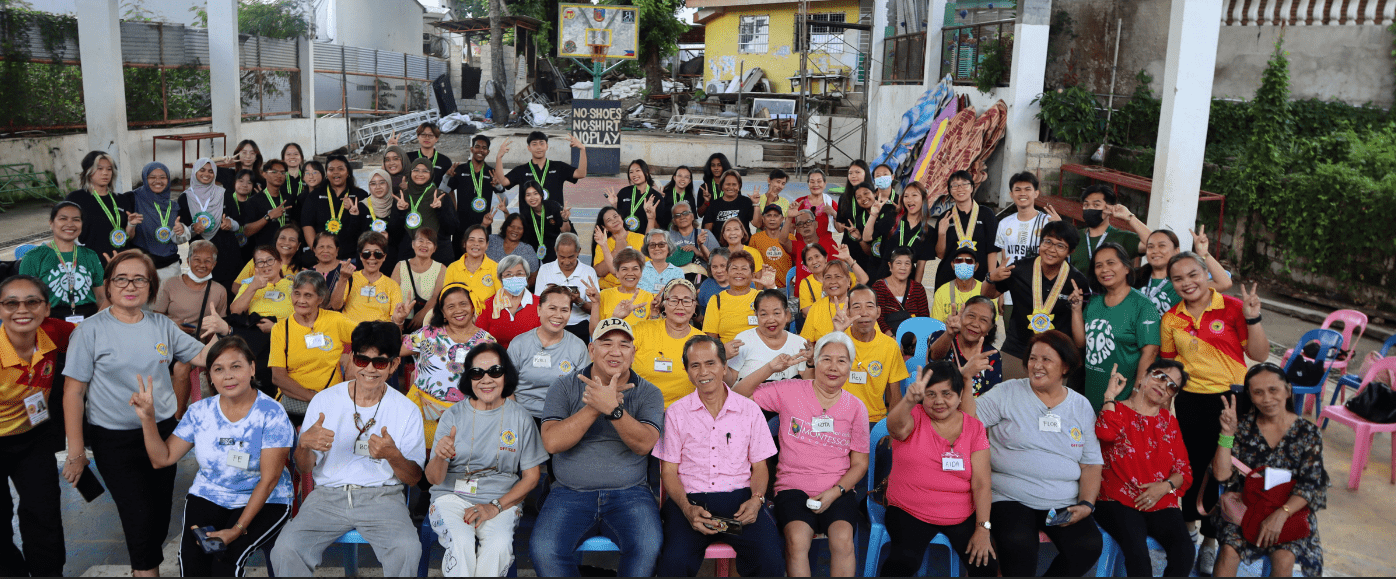
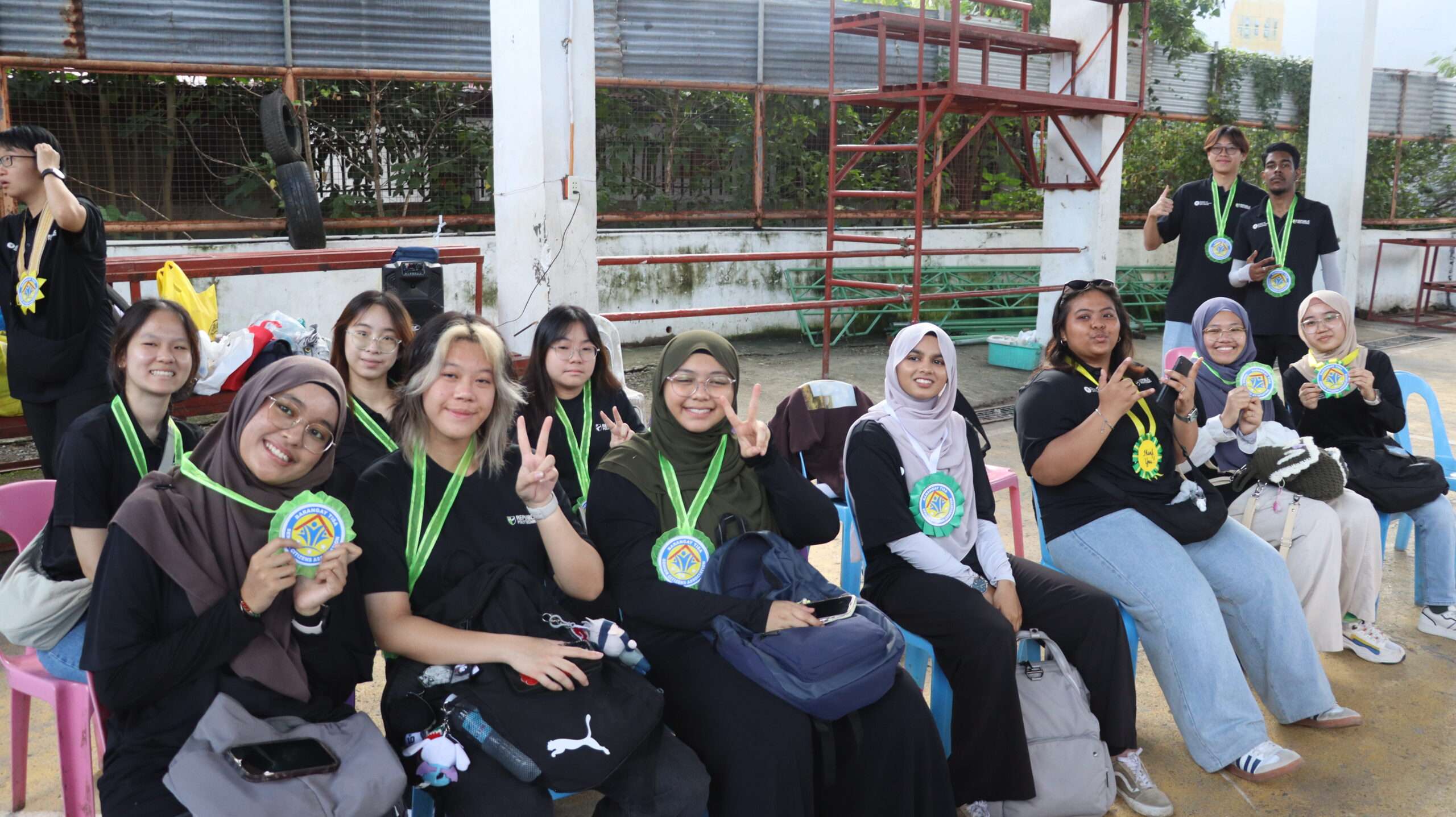
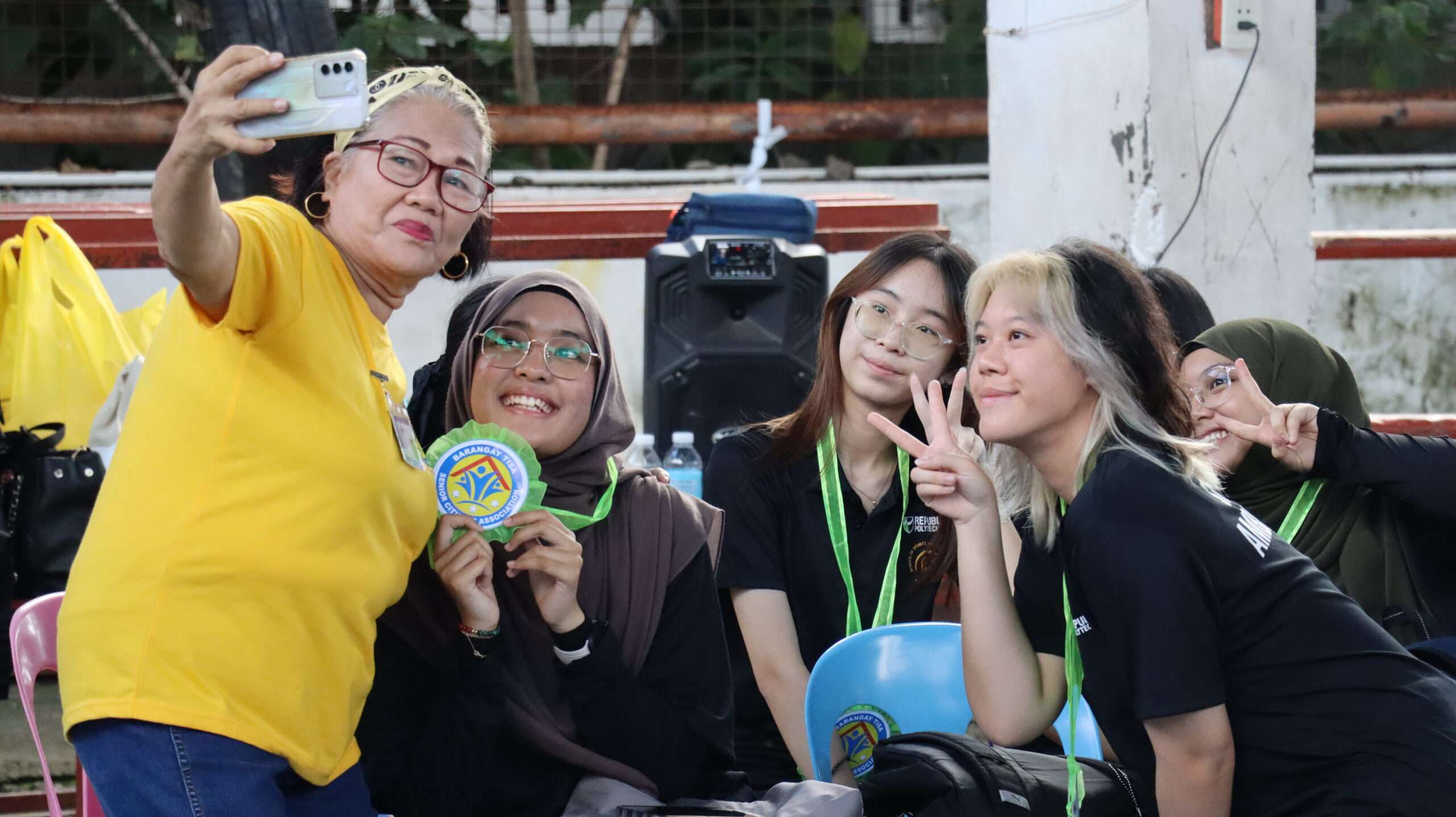
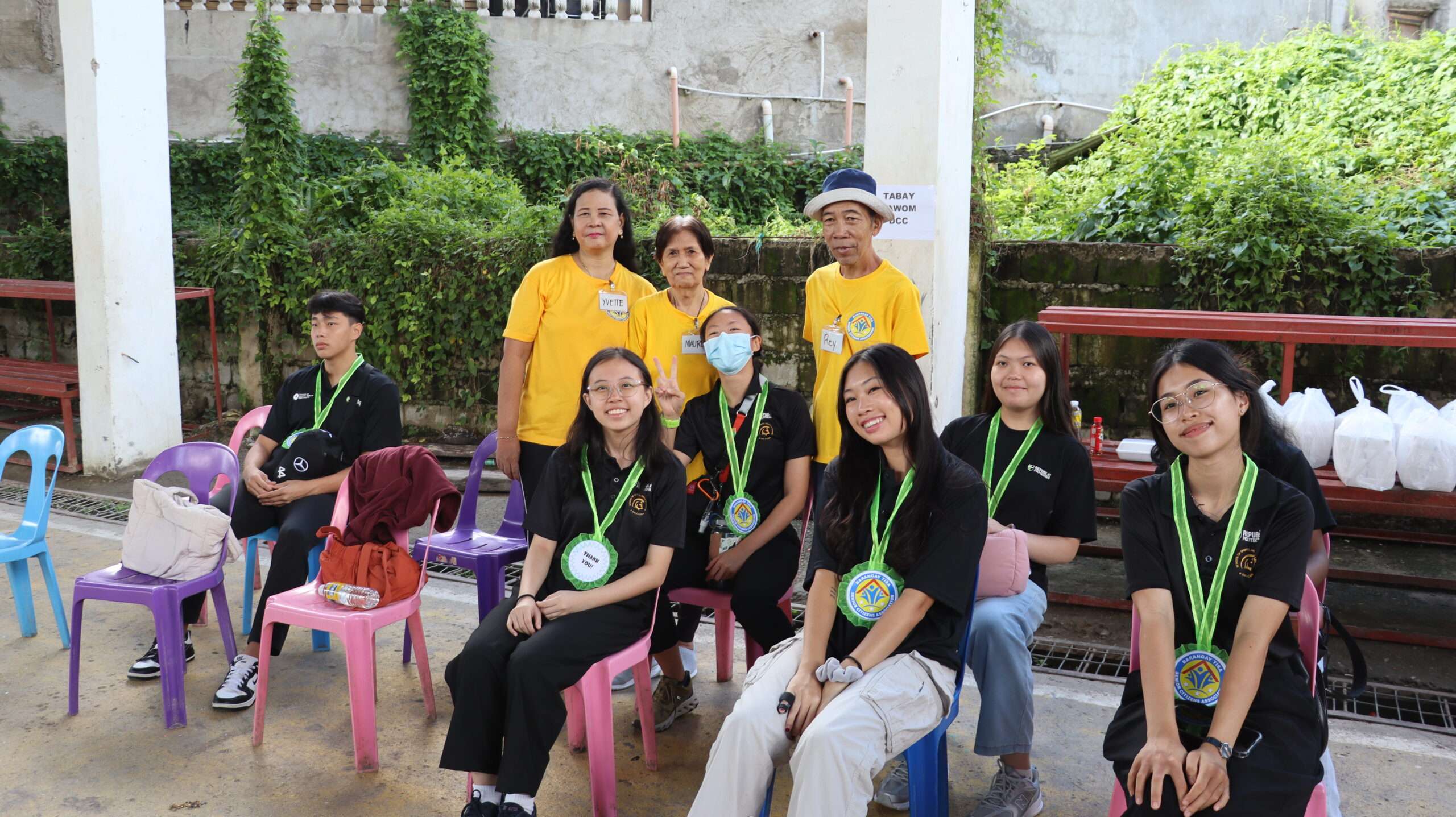
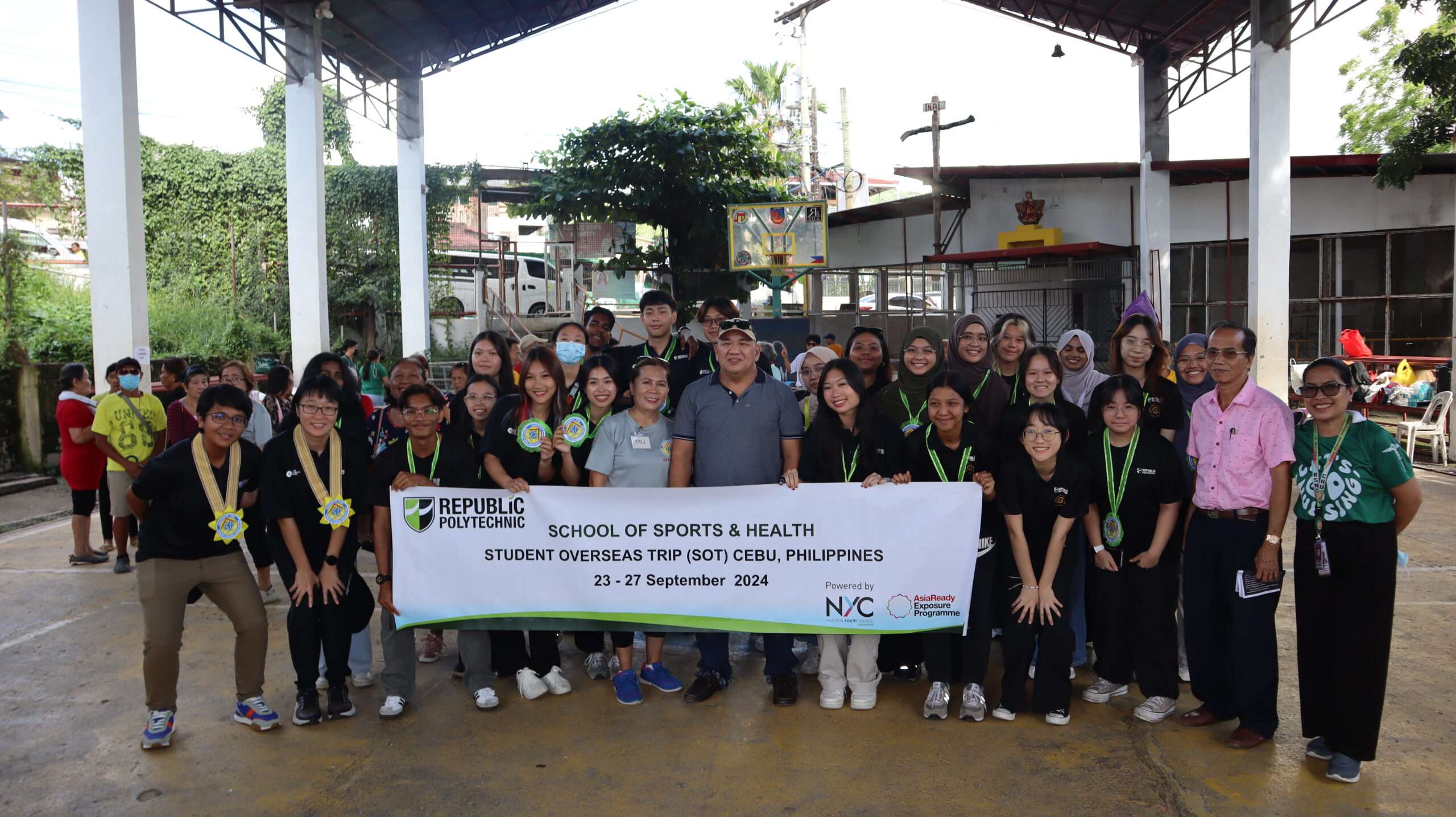
In dynamic display of international cooperation CNU, in partnership with Republic Polytechnic (RP) of Singapore, conducted Active Aging, an initiative showcasing international collaboration in promoting health, education, and inclusion. The program aimed to enhance community wellness and intergenerational engagement through creative and recreational activities for older adults, reflecting CNU’ s commitment to best practices of “internationalization-at-home ” providing meaningful learning and collaboration without the need for overseas mobility.

The collaboration served as a model for integrating sustainability, research, and education into community-based practice. Through interactive sessions, cultural exchange, and evidence-based engagement, the project supported SDG 3 (Good Health and Well- being), SDG 4 (Quality Education), SDG 10 (Reduced Inequalities), and SDG 17 (Partnerships for the Goals) by strengthening institutional ties and promoting inclusive, healthy aging. Through this partnership, CNU continues to cultivate international best practices in research, education, and community service aimed at addressing global challenges aligned with the SDGs.

INTERNATIONAL RESEARCH

Researchers from the College of Nursing and Allied Health Sciences (CNAHS) – Dr. Jezyl Cutamora, Dr. Laurence Garcia, and Dr. Daisy Palompon – contributed as co-authors to the international research article “Resilience, the 6 Vital Sign: Conceptualizing, Contextualizing, and Operationalizing All Six Vital Signs.” This global collaboration involved scholars from the University of Pittsburgh, the Hong Kong Polytechnic University, the University of Nevada-Las Vegas, and other institutions engaged in advancing health innovation. CNU’ s involvement reflects its strong research culture and its commitment to health-focused Sustainable Development Goals through the promotion of holistic health metrics, as well as by engaging in cross- border academic cooperation.

The study proposes resilience as the “ sixth vital sign,” arguing that it should be assessed alongside temperature, pulse, respiration, blood pressure, and pain. Drawing from extensive international evidence, the authors found that higher resilience – psychological and immunologic – is strongly associated with improved health outcomes, longer healthspan, reduced inflammation, and enhanced survival in conditions like infections, chronic illness, and stress. The article demonstrates that resilience is not only measurable but also modifiable, emphasizing its importance for clinical care, public health, and wellness across the lifespan.

CNU Nursing Faculty Advance Global Health Research Through International Collaboration on the “Sixth Vital Sign”

EMPOWERING LEARNERS, STRENGTHENING COMMUNITIES

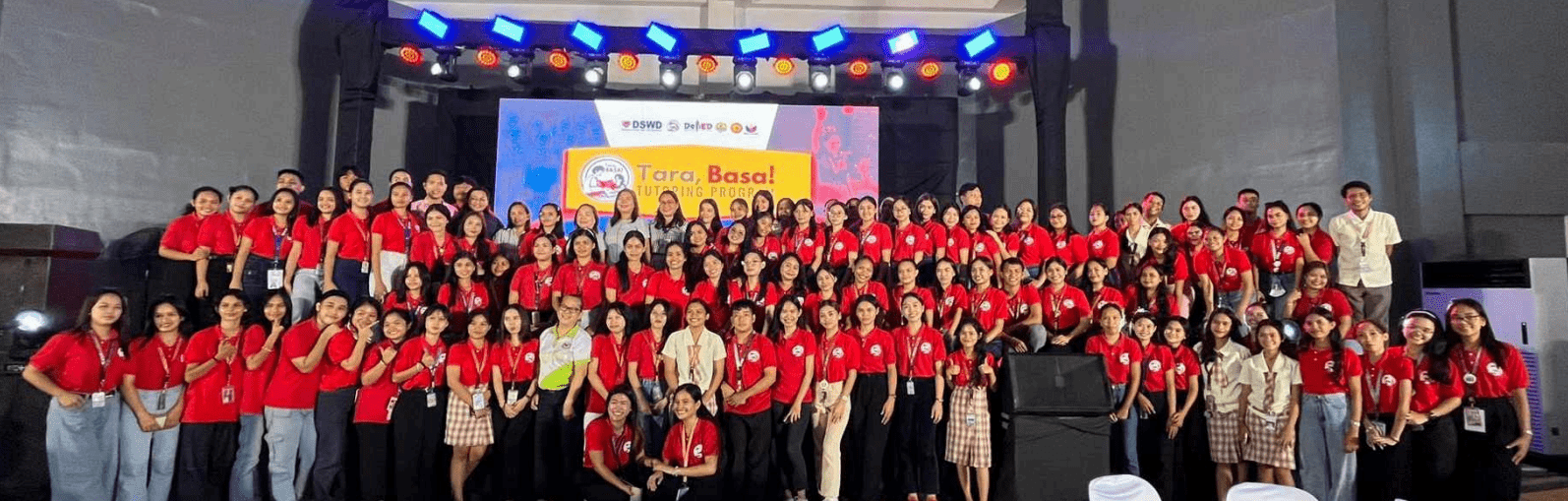
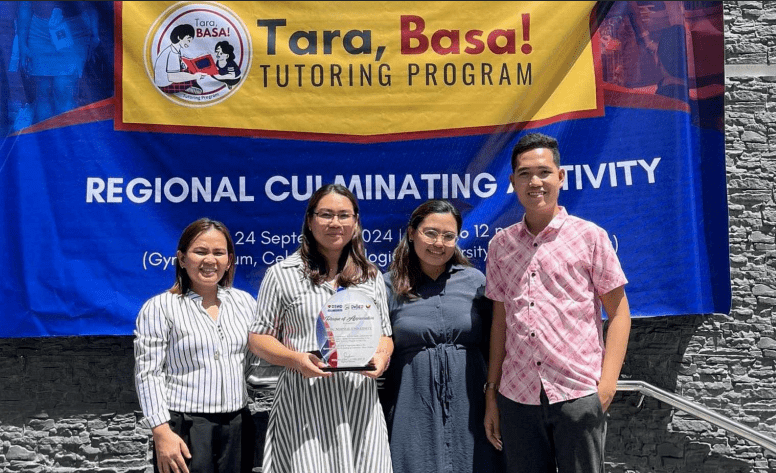
Tara Basa! Tutoring Program

In partnership with the Department of Social Welfare and Development (DSWD) through its Social Technology Bureau (STB), CNU proudly participated as the lone higher education institution tapped for the Tara Basa! Tutoring Program. From July 1 to 26, a total of 445 tutors and 231 Youth Development Workers (YDWs) – all pre-service teachers from CNU – were deployed to 68 schools across Cebu City, reaching 3,761 learners and their parents. As a Center of Excellence in Teacher Education, CNU continues to champion quality and inclusive education by addressing the urgent challenge of reading literacy among children and adults in Cebu.

The Tara Basa! initiative not only strengthens foundational learning but also empowers future educators to engage in nation-building through community-based service. By expanding to additional municipalities including Barili, Argao, Malabuyoc, Balamban, and the cities of Toledo, Talisay, and Lapu- Lapu, the program aims to reach 22,000 students in areas with high rates of non- readers and poverty.

Embracing Internationalization-at-Home with Institut Teknologi Sepuluh Nopember (ITS)

I. Introduction

In alignment with Cebu Normal University’s commitment to becoming a
SMART, globally engaged institution, we have embraced the paradigm of
Internationalization-at-home — a strategy that enables international and
intercultural learning without the need for physical mobility. This approach
ensures equitable access to international learning opportunities, particularly for
students who may be unable to participate in traditional outbound programs
due to financial or logistical constraints.

II. Best Practice Overview

A prime example of our IZN-at-home strategy is our ongoing collaboration with
Institut Teknologi Sepuluh Nopember (ITS) of Indonesia. This partnership
exemplifies how CNU leverages digital tools and virtual platforms to deepen
international linkages and embed global perspectives into the student
experience.

III. COIL Initiative

CNU and ITS are currently developing a Collaborative Online International
Learning (COIL) project entitled “Assistive Technology to Improve Learning
Performance of Students with Language and Communication Disability.” This
virtual, curriculum-integrated collaboration between faculty and students from
both institutions promotes cross-cultural exchange and shared problem-solving
in a digital environment.
This initiative reflects CNU’s recognition that virtual exchanges are not simply
alternatives but are equally valuable components of international education.
They are cost-effective, scalable, and inclusive, enabling broader participation
and deeper institutional engagement across borders.
Preparations and ongoing discussions for the COIL Project are currently
focused on LMS navigation, class scheduling, and finalizing the COIL module.

IV. Participation in ITS CommTECH Program

In addition to joint academic projects, CNU actively encourages its students to join the CommTECH (Community and Technological Camp)—a flagship short-
term virtual program offered by ITS. CommTECH provides interdisciplinaryexposure to different themes and topics through technology, culture, and
community engagement, enriching CNU students’ understanding of Southeast
Asian contexts and international collaboration.

V. Impact and Significance
This best practice demonstrates how CNU has effectively operationalized
internationalization at home through:
 1. Continuous integration of international perspectives into the curriculum.
 2. Strategic partnerships with high-ranking institutions like ITS.
 3. Equitable access to international learning for all students.
 4. Promotion of global citizenship and intercultural competence.

VI. Conclusion
By fully embracing IZN-at-home through strategic digital collaborations like
those with ITS, Cebu Normal University is expanding the reach and impact of
its internationalization agenda. This best practice not only strengthens global
linkages but also prepares our students to thrive in an interconnected world—
reflecting our vision as a globally recognized institution as agile and
technologically-proofed SMART campus.

In order to better connect with local communities or to address a particular issue, CNU highly values collaborations and partnerships with other entities both inside and outside the university. Typically led by External Affairs and International Linkages, CNU has worked together with many barangays (e.g. Nangka, Sunog, and Gaas). The E-HELP program, particularly, was a collaborative effort of all the campuses of CNU.

CNU also values strong partnership with other state universities from both inside and outside the country. The university is active in organizing and participating in collaborative events such as the National Field Exposure Study Trip (N-FEST), the Silico Study, and outreach programs like with the Universitas Muhammadiyah Yogyakarta for educational and charity work.

Building for The Attainment of SDG 2030
https://cnu.edu.ph/wp-content/uploads/2023/03/image-10.pnghttps://cnu.edu.ph/wp-content/uploads/2023/03/image-11.png

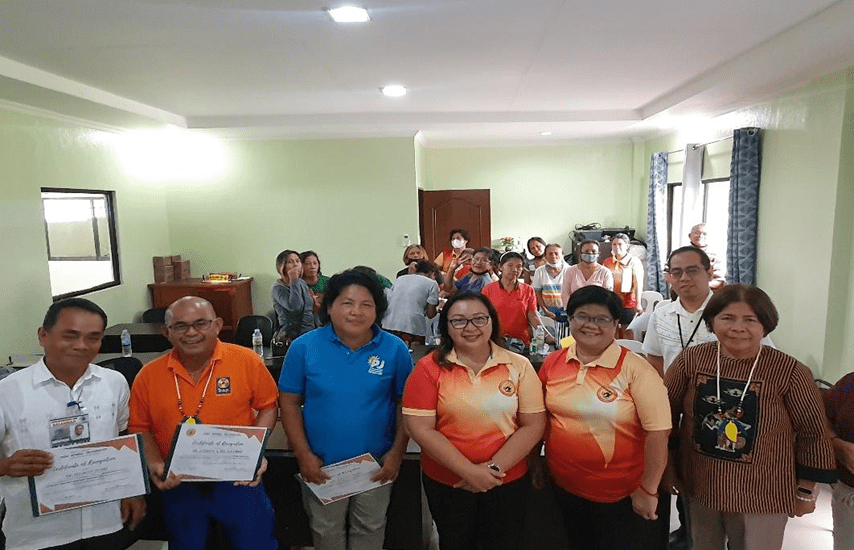
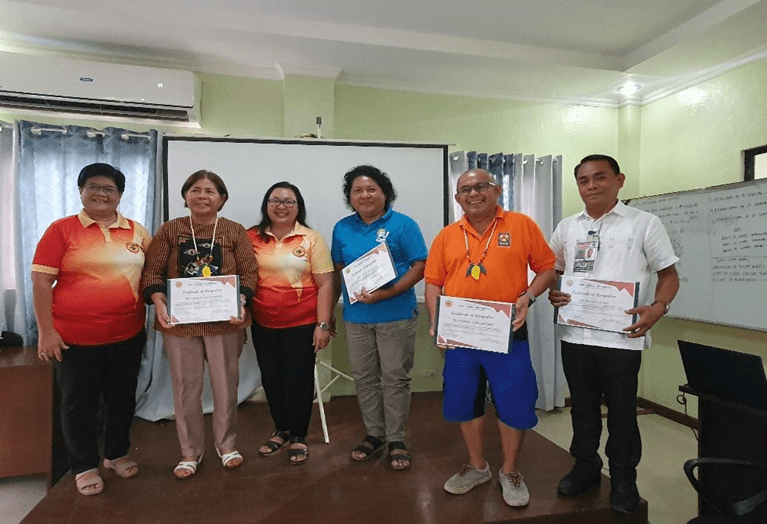
Ms. Naila Y. Beltran (Director, EAIL), Dr. Carolyn May O. Daquio (Regional Director, ATI VII), Dr. Angeline M. Pogoy (Vice-President for Research, Extension and Publication), Dr. Antonio Del Socorro (Extension Coordinator), Mr. Felojyn Sundo (Municipal Planning and Development Officer)
 https://cnu.edu.ph/wp-content/uploads/2023/03/image-2.png

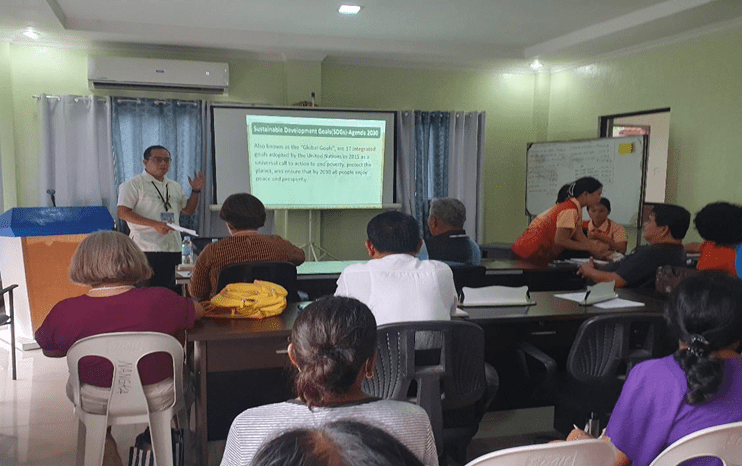
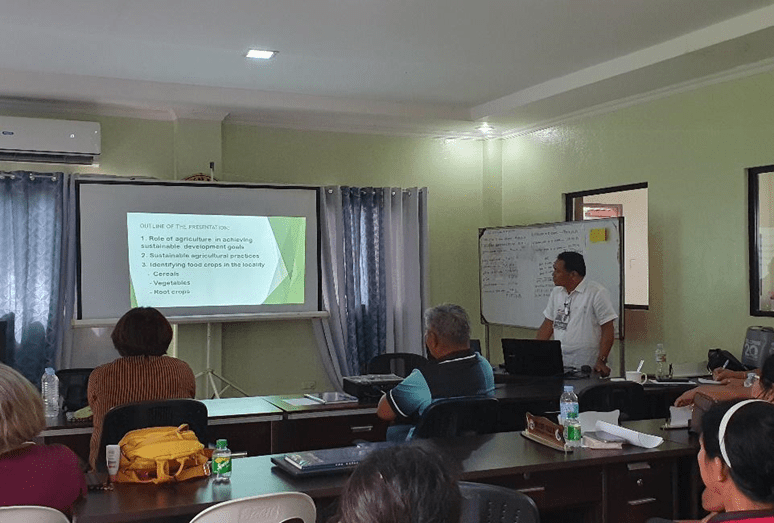
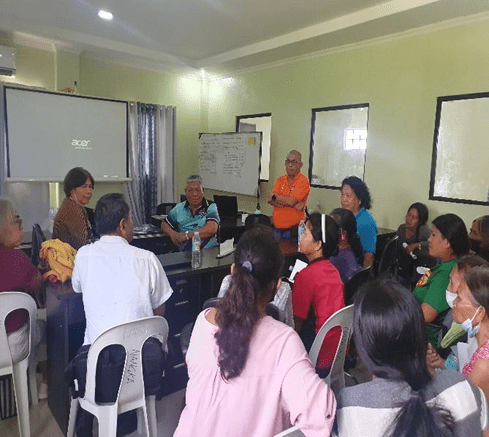
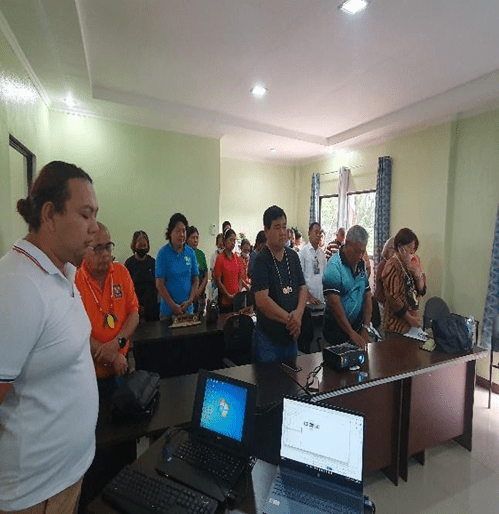
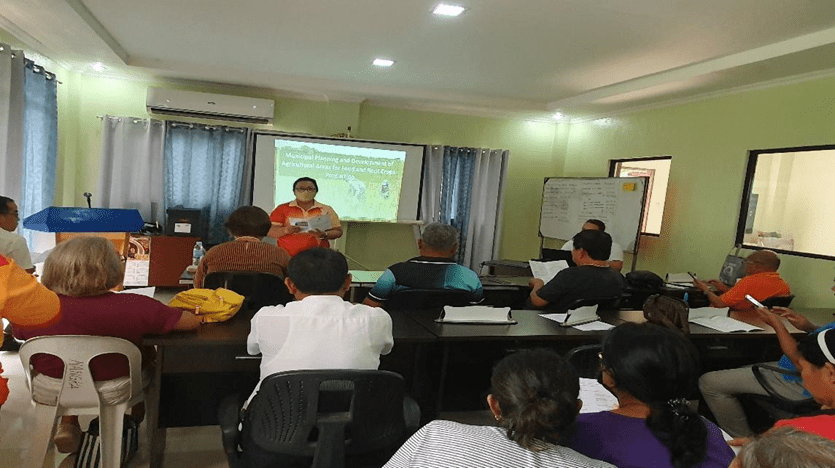
At Barangay Nangka Balamban in Cebu, the Office of External Affairs and International Linkages successfully carried out the first day of training on “Collaborative Community Planning and Organization Through Partnership Building for the Attainment of SDG 2030” last February 6, 2023. The on-site program was spearheaded by Director Naila Y. Beltran and Dr. Angeline M. Pogoy with the coordination of the Barangay Nangka, Balamban, and Municipal Agriculture and Municipal Planning and Development of Balamban, Cebu.


“This training aims to conduct multisectoral partnership collaborative planning and organization with community stakeholders in four days, define a common vision for the community, combine complementary resources and competencies, and share risk in order to maximize the values of SDGs to benefit each of the partners.

The main objective is to identify what programs must be implemented in relation to agriculture and this training program will be led by CNU.
https://cnu.edu.ph/wp-content/uploads/2023/03/image-4.png

The training program was graced by representatives from the Provincial and Municipal Planning and Development, Engr. Nemesis R. Almento, Mr. Felojyn Sundo, Municipal Agriculturists of Municipal Agriculture Balamban, Cebu as well as Dr. Carolyn May O. Daquio, Regional Director ATI VII, Dr. Anthony Del Socorro, Extension Coordinator, CNU-FAII, Hon. Pablo P. Tagalog, Barangay Captain of Barangay Nangka, Balamban Cebu, Hon. Jocelyn T. Badili, Barangay Councilor, Barangay Nangka Balamban, Cebu and the beneficiaries of the Extension Project “Root Crops Production” and “Superwoman” attended this training.
https://cnu.edu.ph/wp-content/uploads/2023/03/image-5.pnghttps://cnu.edu.ph/wp-content/uploads/2023/03/image-6.png

https://cnu.edu.ph/wp-content/uploads/2023/03/image-7.png

https://cnu.edu.ph/wp-content/uploads/2023/03/image-8.png

other SDG to view

X
Cebu Normal University
PRIVACY POLICY

Policy Statement

This Privacy Policy is adopted in compliance with the Data Privacy Act of 2012 (Republic Act No. 10173), its Implementing Rules and Regulations (IRR), and other relevant issuances of the National Privacy Commission (NPC). The University is committed to protecting and respecting your personal data privacy. We process personal information in accordance with the principles of transparency, legitimate purpose, and proportionality. This Policy informs how we collect, use, disclose, store, protect, and dispose personal information of our data subjects.

Definitions

Personal information refers to any information, whether recorded in a material form or not, from which the identity of an individual is apparent or can be reasonably and directly ascertained by the entity holding the information or when put together with other information that would directly and certainly identify an individual.

Sensitive information is a type of personal information with the risk of discrimination against the Data Subject. These are about an identifiable person’s racial or ethnic origin, marital status, color, and religious, philosophical, or political affiliations. It is also, about an individual’s health, education, the genetic or sexual life of person, or any proceeding for any offense committed or alleged to have been committed by such person, the disposal of such proceedings, or the sentence of any court in such proceedings; Issued by government agencies peculiar to an individual which includes, but not limited to, social security numbers, previous or current health records, licenses or its denials, suspension or revocation, and tax returns; and specifically established by an executive order or an act of Congress to be kept classified.

Privileged information refers to any and all forms of data which under the Rules of Court and other pertinent laws constitute privileged communication.

Information We Collect

The University may collect personal information in the context of its regular functions — including but not limited to the following categories:

  1. Students: contact and enrollment details, academic records, health or medical records, accommodation records, student-activity participation, and related data.
  2. Staff and job applicants: contact details, employment history, qualifications, employee-related data.
  3. Alumni profiling: contact and demographic details.
  4. Visitors, volunteers, and other stakeholders: information collected through sign-in forms, CCTV or security monitoring, photos or recordings during official events, surveys, and feedback forms.

Collection may occur by any medium, including: paper forms, electronic forms, email, website or online platforms, CCTV or video/photographic capture, surveys/questionnaires, and other lawful means.

Purposes and Uses of the Data Collected and Processed

Personal information collected may be used for:

  1. Administration of admission, enrollment, employment, alumni relations, and other official functions.
  2. Maintenance of student and employee records, including academic, health, and administrative data.
  3. Provision of University services such as counseling, scholarship administration, placement, library access, facilities use, laboratory access, security, parking, and accommodation.
  4. Internal research, quality assurance, performance monitoring, and institutional planning.
  5. Compliance with statutory obligations (e.g. reporting to government agencies when required).
  6. Security, safety, and campus management, including CCTV monitoring.
Legal Basis / Lawful Criteria for Processing

All processing of personal data is carried out in accordance with the legality, fairness, and lawfulness requirements under the Data Privacy Act and IRR.
Where applicable, processing is grounded on consent, contract, legal obligation, legitimate interest, or other lawful bases recognized under the law. The choice of lawful basis depends on the nature of data, the purpose of processing, and legal or contractual requirements.

Manner of Collection and Processing

Personal data may be collected through physical forms (paper-based), electronic forms, online or web-based platforms (e.g., registration portals, email, institutional website), CCTV or video/photo capture (for security or surveillance), event sign-in sheets or registration forms, surveys or questionnaires, or other legitimate and lawful means.

Processing may include collection, recording, sorting, storing, retrieval, use, updating, modification, blocking, destruction or other operations as allowed under the law, consistent with declared purposes.

Disclosure of Information

The University does not disclose personal information except under the following circumstances:

  1. Internal disclosure within authorized University personnel, only when necessary and appropriate for legitimate institutional purposes.
  2. External disclosure only when required or permitted by law (e.g. statutory obligations), or when the data subject has provided valid consent.
  3. Sensitive personal information or privileged information is processed and disclosed only in accordance with relevant legal provisions.

Risks, Safeguards and Security Measures

The University recognizes that processing of personal data entails certain privacy and security risks. Accordingly, we implement appropriate organizational, technical, and physical security safeguards to protect the confidentiality, integrity, and availability of personal data — whether in electronic or physical form. Such measures include (but are not limited to):

  1. Access controls (both digital and physical) to restrict access only to authorized personnel
  2. Use of secure storage: locked filing cabinets or secure rooms for physical records; password-protected systems, encryption, secure servers, firewalls for electronic data
  3. Secure transmission of data (when shared or transferred), secure printing and disposal protocols, and safe deletion or destruction of data when no longer needed
  4. Classification of data and periodic review of security protocols, to ensure adequacy in light of the risks presented and sensitivity of the data processed

Rights of Data Subjects

Under the Data Privacy Act and its IRR, data subjects have the following rights:

  1. Right to be informed — you have the right to know whether personal information about you will be, is being, or has been processed; the purposes of processing; the personal data to be entered; and the scope and method of processing.
  2. Right to access, correct, or update your data — you may request access to your personal information, ask for rectification of inaccuracies, or request updates.
  3. Right to object or withdraw consent — when processing is based on consent or legitimate interest, you may withdraw consent or object, subject to legal limits.
  4. Right to data portability — where applicable, you may obtain a copy of your personal data in a secure and portable format for transfer to another controller.
  5. Right to erasure or blocking — if personal data is incomplete, outdated, unlawfully obtained or processed, no longer necessary, or processing is unauthorized, you may request erasure or blocking, subject to legitimate grounds for retention (e.g. legal obligations or defense of legal claims).
  6. Right to damages — you may seek indemnification for damages resulting from inaccurate, incomplete, outdated, unlawfully obtained or unauthorized use of your personal data.
  7. Right to lodge a complaint with the NPC if you believe your data privacy rights have been violated.

Requests for access, rectification, objection, portability, erasure or complaints may be submitted in writing to the University’s designated Data Protection Officer (DPO) or Data Privacy Office.

Security, Retention, and Disposal

The University implements appropriate organizational, technical, and physical security measures to safeguard personal data — whether in paper or electronic form — against unauthorized access, disclosure, alteration, or destruction. Such measures include: secure storage (locked filing cabinets or rooms), restricted access to authorized personnel only, use of locked screens/screensavers, secure transmission (sealed envelopes or secure electronic transmission), secure printing and disposal of documents, and safe deletion or destruction of data when no longer needed.

Personal data will be retained only for as long as necessary to fulfill the declared and legitimate purposes, or as required for legal obligations or defense of legal claims. When no longer needed, personal data will be disposed of securely in accordance with University policy and relevant data-protection guidelines.

Consent, Notice, and Legitimate Processing

Where required by law, consent will be obtained from data subjects prior to collection or processing of their personal or sensitive data. In other cases (e.g. CCTV monitoring, legitimate interest), the University will inform data subjects through appropriate notice mechanisms before or at the time of data collection. Privacy notice(s) will accompany data-collection forms or be posted in conspicuous campus areas, and on the University website. At all times, data processing is based on legitimate purpose and proportional to the need.

Data Subject Access and Contact

To exercise your rights or if you have any inquiry, concern, or request regarding your personal data, please contact:

Omar B. Roma

Data Protection Officer
Email: dpo@cnu.edu.ph
Phone: 09422041421

Changes to This Policy

The University reserves the right to update or amend this Privacy Policy as necessary to reflect changes in applicable laws, regulations, regulatory guidance, or its internal data-processing practices. Updated versions will be posted on the University’s official website and, where appropriate, communicated to data subjects.