Cebu Normal University

The Institute for Research in Innovative Instructional Delivery (IRIID) is a hub for research and innovation on Philippine culture and heritage to promote quality teaching and learning in a fast-changing environment in the 21st century.
The IRIID produces new knowledge on the Philippine culture and heritage to enhance instructional delivery and translate these into a community – based instructional delivery.
Understand the Philippine Culture with respect to education and training
Utilize knowledge generated on Philippine Culture and Heritage to enhance instructional delivery across all levels of education
Establish a Philippine culture-based innovative instructional delivery
INSTITUTE | PUBLICATIONS | COMPLETED PAPERS | ONGOING PAPERS | TRAININGS CONDUCTED |
|---|---|---|---|---|
Institute for Research in Innovative Instruction al Delivery (IRIID) | 1. Cordova, M. (2024). Integrating sustainable development goals in English language and literature teaching. Frontiers in Education, 9. https://doi.org/10.3389/feduc.202 4.1330034 2. Cabanilla, A., Dizon, R., Serrion, M., & Cortes. (2026). Development and validation of a scale to predict college student retention among bachelor of elementary education students in the Philippines. Ho Chi Minh City Open University Journal of Science-Social Sciences, 16(2). 3. Sachez, J.M., Picardal, M., Fernandez, S., Caturza, R. (2024). Socio-Scientific Issues in Focus: A Meta-analytical Review of Strategies and Outcomes in Climate Change Science Education. Science Education International, 35(2), 119-132. https://www.icaseonline.net/journ al/index.php/sei/article/view/746 4. Aguanta, C., Augusto, M., Bajenting, J., Buayaban, K., Cruz, R. J., Fantonial, F., Kwan, J., Legaspino, J., Acut, D., & Picardal, M. (2024). Factors affecting students’ concept retention in learning science online using instructional videos. Journal of Education and Learning (EduLearn), 18(2), 499-511. https://doi.org/10.11591/edulear n.v18i2.21117 5. Bacus, R., Picardal, M., Perez, N., Balo, V. T. (2024). Predictors of Beginning Teachers' Teaching Performance. Frontiers in Education, 9. https://doi.org/10.3389/feduc.202 4.1375726 6. Sanchez, J. M., Petancio, J., Picardal, M., Fernandez, C., Boholano, H., Bacus, C., Olvido, M., & Cortes, V. Assessment of PhD Research and Evaluation Program:Insights from the Graduate Tracer Study. Journal Evaluation in Education, 5(4). https://doi.org/10.37251/jee.v5i4. 1145 7. Canlas, I., Picardal, M., & Picardal, J. (2024). Explaining astronomy teaching self-efficacy among pre-service teachers. International Journal of Science Education , 1-22. https://doi.org/10.1080/0950069 3.2024.2385760 8. Cotiangco, E., Hurano, N., Sodoso, E., Sumagang, M., Jumao-as, J., Canoy, J., Picardal, M., & Sanchez, J. M. (2024). Android-based Audio- Visual Comics in Enhancing Conceptual Understanding and Motivation of Chemistry Concepts. Orbital: Electronic Journal of Chemistry, 16(20), 125-135. https://doi.org/10.17807/orbital.v 16i2.19953 9. Quimat, R., & Picardal, M. (2024). Context-Based Teaching through Education for Sustainable Development in Philippine Secondary Schools: A Meta-analysis. Recoletos Multidisciplinary Research Journal, 12(1), 25-40. https://doi.org/10.32871/rmrj241 2.01.03 10. Sardido, J., Sanico, A., Rubin, J., Villarino, A., Cabahug, J., Heredia, J., Cabrillos, S., Lati, A., & Picardal, M. (2024). A Causal-Comparative Analysis on the Integration of Bionic Fonts in Science Reading Materials. Jurnal Pendidikan Progresif, 14(1), 59-73. 11. Elladora, S., Gaylan, E., Taneo, E., Callanga, C., Becbec, J., Mari G., Bercero, Narca, M., Picardal, M. (2024). Challenges in Teaching Biotechnology in the Philippine STE Program. International Journal of Learning, Teaching and Educational Research, 23(2), 367-389. https://doi.org/10.26803/ijlter.23. 3.18 12. Goles, C., Sanchez, J.M, Sumalinog, G., Mananay, J, & Alejandro, I. M. (2024). Beyond the pandemic: The changing landscape of technology integration in higher education in Central Visayas, Philippines. CTU Journal of Innovation and Sustainable Development, 16(1), 1-10. https://doi.org/10.22144/ctujoisd. 2024.262 13. Argate, R., Ferrater-Gimena, J., Sagayno, R., Ortega, M., Mamacos, R., Miro, A., Montenegro, M., Janiola, F., & Sumalinog, G. (2024). Senior high school program implementation in Cebu, Philippines: The teachers’ perspectives. Ho Chi Minh City Open University Journal of Science-Social Sciences, 14(2), 3-17. https://doi.org/10.46223/HCMCO UJS.soci.en.14.2.2924.2024 14. Sumalinog, G., Cortes, V., Alalid, R., Navarro, T., Cordova, C., & Fernandez, C. (2024). Experiences of School Administrators During Limited Face-to-Face Classes. International Journal of Learning, Teaching and Educational Research, 23(8), 309-328. https://doi.org/10.26803/ijlter.23. 8.16 15. Sumalinog, G. ,Sanchez, J., Mananay, J., Goles, C., & Alejnadro, I. (2024). Beyond Bibliographies: Examining the Impact of Citation Generators on Undergraduate Education Majors. Internet Reference Services Quarterly, 1-9. https://doi.org/10.1080/1087530 1.2024.2371797 16. Goles, C., Sanchez, J., Sumalinog, G., Mananay, J., & Alejandro, I. (2024). Beyond the pandemic: The changing landscape of technology integration in higher education in Central Visayas, Philippines. CTU Journal of Innovation and Sustainable Development 16(1), 1-10. https://doi.org/10.22144/ctujoisd. 2024.262 17. Mananay, J., Sanchez, J., Sumalinog, G., Goles, C., & Alejandro, I. (2024). Factors affecting technology use in teaching functions in higher education institutions: A Regression analysis. Journal of Education and Innovation 26 (3), 46-58. https://so06.tci- thaijo.org/index.php/edujournal_ nu/article/view/264131 18. Redublado, R., & Sumalinog, G. (2024). Efficacy of Jigsaw learning in teaching volleyball skills to grade 12 students. CTU Journal of Innovation and Sustainable Development, 16(3), 13-21. https://doi.org/10.22144/ctujoisd. 2024.315 19. Miro, M.L, Ferrrater-Gimena, J., Sagayno, R., Argate, R., Ortega, M., Miro, A., Mamacos, R., Janiola, F., Montenegro, C., & Sumalinog, G. (2024). K to 12 implementation in Siquijor: The senior high school students’ lived experience. CTU Journal of Innovation and Sustainable Development, 16(3), 140-149. https://doi.org/10.22144/ctujoisd. 2024.314 20. Mananay, J., & Sumalinog, G. (2024). Classroom Teaching and Management: Experiences of Novice English Teachers. International Journal of Learning, Teaching and Educational Research, 23(10), 701-714. https://doi.org/10.26803/ijlter.23. 10.32 | 1. Predictors of Pre-Service Teachers Usage on AI: A Structural Equation Modelling Authors: Dr. Monique Cordova, Mr. Angelito Cabanilla Jr., Dr. Marchee Picardal, Dr. Gino Sumalinog, Dr. Sylvester Cortes 2. Digital Media Engagement and Knowledge, Attitudes and Behaviors on Sustainable Development among Gen Z Students in Public HEIs in Central Visayas, Philippines: A Baseline Study Authors: Mr. Dexter Ontoy, Dr. Jennifer Paño 3. Development and Validation of a Questionnaire on Teaching Internship Programs: Teacher Education Institutions in the Central Visayas Authors: Dr. Maria Nancy Cadosales, Mr. Angelito Cabanilla Jr., Dr. Imelda Montalbo, Dr. Rosita Lacea 4. Integration of Ethnomathematics in the Basic Education Curriculum Authors: Dr. Ireneo Abad, Dr. Helen Boholano, Dr. Angeline Pogoy, Dr. Geronimo Obaob Jr, Dr. Vincent Theodore Balo | 1. Teaching Fruit Preservation through S- U-G-A-R Strategy. Authors: Mrs. Jannet Bondan, Dr. Charess Goles, Ms. Leonilli Kaye Giatoro, Dr. Gino Sumalinog 2. Ilustratibong Leksikograpiya Gabay- Kahulugan Pampagtuturo Authors: Dr. Geraldine Rebamonte, Mrs. Natividad Dela Torre 3. Corpus-to-speech device ng/sa Wikang Filipino Authors: Dr. Lita Bacalla, Dr Elsie Alvarado, Dr. Rowena Largo 4. ABAKADA Model in Mother Tongue-Based Instruction Authors: Dr. Christise Espera, Dr. Ethel Abao, Dr. Remedios Bacus, Dr. Rivika Alda, Dr. Tizza Marie Navarro 5. Perceive-Confront- Confirm (PCC) Strategy in Teaching Astronomy for Conceptual Understanding Authors: Mr. Sunny Fernandez, Dr. Joje Mar Sanchez, Dr. Marchee Picardal 6. Search-Translate- Explain-Assess- Maximize: A Model in Teaching Science in Basic Education Authors: Dr. Erwin Corales, Dr. Blanca Alejandro, Mr. Isidro Max Alejandro | 1. Enhancing Research Proficiency with AI Tools and Research Analytics (September 25-27, 2024) 2. Packaging Proposals for External Research Grants (November 26-28, 2024) |
No. | Title | Authors | Date Published | Journal | Indexing |
|---|---|---|---|---|---|
1 | A Close Encounter of the 21st Century ‘Rizal’ at the Bumpy Road of Buhisan | Rainlee N. Bentazal John Eric B. Rubi Chenny Mendoza Reynaldo B. Inocian Romualdo B. Generalao | May 2018 | Asia Pacific Journal of Multidisciplinary Research | CHEd Accredited/ACI |
2 | Devotees’ Testimonies of Faith of Señor Santo Niño De Cebu | Mitchie Brion Glorie Ann Cabaluna Diana Jane Mencede Nedissa T. Ladera Ebora Lape Ma. Elsie R. Laput Riza Nunez Reynaldo B. Inocian | May 2018 | Asia Pacific Journal of Multidisciplinary Research | CHEd Accredited/ACI |
3 | The Exquisite Life of a Dominant Eagle | Saulo A. Alinsunod Reynaldo B. Inocian James Louies B. Un Rebecca Leslie J. Cabras | August 2018 | Asia Pacific Journal of Multidisciplinary Research | CHEd Accredited/ACI |
4 | Indegenizing and Contexualizing the Use of Cooperative Learning Strategies | Reynaldo B. Inocian Lelani C. Dapat Genara B. Pacaña Gerome M. Lasala | November 2019 | Journal of Research, Policy & Practice of Teachers & Teacher Education | ACI |
5 | Living with the Dead: A Qualitative Study on the Social Well-Being of Filipino Families Living in Cemeteries in Cebu City | Joyce V. Lapatha Zyra Marie A. Largo Fe Laurice A. Lawas Abigail F. Malagar James Louies B. Un Reynaldo B. Inocian Rebecca Leslie J. Cabras | February 2019 | Asia Pacific Journal of Multidisciplinary Research | CHEd Accredited/ACI |
6 | Out-Of-Field Social Studies Teaching through Sustainable Culture-Based Pedagogy: A Filipino Perspective | Niña Mea S. Pacaña Charmen D. Ramos Maryland N. Catarata Reynaldo B. Inocian | August 2019 | International Journal of Education and Practice | Scopus |
7 | Unveiling the Indigenous Art and Craft of Bakat and its Economic Significations | Reynaldo B. Inocian Niño James P. Cuestas Justin Keith L. Carin Jhon Daryl E. Canoy | September 2019 | Journal of Cultural Heritage Management and Sustainable Development | Clarivate/Scopus |
8 | Cebuano Cultural Identities: Prospects for a Culturally Responsive Pedagogy | Annie Lorrie I. Callangan Darleen R. Medrano Windelee G. Gualiza | May 2020 | Journal of Research, Policy & Practice of Teachers and Teacher Education | ACI |
9 | Teacher Education Institutions in the Philippines towards Education 4.0 | Rivika C. Alda Helen B. Boholano Filomena T. Dayagbil | August 2020 | International Journal of Learning, Teaching and Educational Research | Scopus |
10 | Technology-Enriched Teaching in Support of Quality Education in the 21st Century Skills | Helen B Boholano, Vincent Theodore M Balo, Angeline M Pogoy, Rivika Alda | December 2020 | Solid State Technology | Scopus |
September 25-27, 2024
Tandang Sora Hall
November 26-28, 2024
CNU Library Function Room
Gums, Resins, Oils and woodcraft Technology Hub (G.R.O.W.T.H) Laboratory Jay Picardal, Marchee Picardal Genara Pacana, Lelani Dapat
|
DOST – PCIEERD |
October 2023 – November 2025 |
From Farm to Market: Co-creating the Cinnamon Industry in Cebu, Philippines Jay Picardal, Marchee Picardal Genara Pacana, Lelani Dapat Roberto Corcino |
National Economic and Development Authority (NEDA) |
October 2023 – November 2024 |
Development of Science Communication Toolkit for IDP Laboratories Marchee Picardal, Jay Picardal Rivika Alda, Joje Mar Sanchez, Joseph Elvir Tubilan |
DOST – PCIEERD |
March 2026 – 2028 |
To be update
Cebu Normal University is set to receive P7 million worth of grants from Commission on Higher Education (CHED) that would enable the university to implement three projects.
Two of these projects focus on improving flexible learning — the Flexible Learning Modality Training for Teacher Educators (FLMTTEd) with an allocation of over P2.5 million and the Flexible Instructional Materials Development for Teacher Educators (FIMDTEd) which has been earmarked P1.8 million.
The third project, Developing Global Filipino Teachers (DGFT), has been allocated a budget of P2.6 million. It aims to equip teachers with the needed pedagogical and socio-cultural competencies as global educators.
Flexible learning
Amid the onslaught of the COVID-19 pandemic, CNU has been actively pursuing projects meant to help convert threats and challenges to opportunities.
In a survey conducted by the university, educators expressed the need to reshape their lessons to include provisions for flexible learning modalities to meet the changing educational landscape brought about by COVID-19.
Thus, FLMTTEd aims to train faculty members of teacher education institutions on effective implementation of flexible learning modalities in the teaching learning processes in the new normal.
To achieve this, CNU has forged partnerships with Cebu Technological University-Tuburan Campus and Leyte Normal University.
On the other hand, FIMDTEd aims to develop research-based flexible instructional materials such as modules for the professional education courses in teacher education.
These will be utilized by educators, specifically those who are teaching in local colleges within Central Visayas.
The flexible instructional package for a professional education course includes lectures, readings, worktext, problem-based activities, and other resources that can be used in both face-to-face and online classrooms.
Going global
Meanwhile, the DGFT program of the CNU College of Teacher Education seeks to help Filipino educators in Cambodia increase their cultural awareness to address global change. This, as schools have increasingly become more culturally diverse.
It also aims to help the educators develop their teaching skills to create a learning setting wherein students respect each other, value diversity, and collaborate effectively.
The program is set to conduct intensive review classes, hands-on trainings on varied learning modalities and practice exercises to be done in Cambodia and in the Philippines.
With this program, teachers are expected to acquire the needed competencies as global educators, and pass the licensure examination at the same time. –/Chiel Martina Y. Condor/JMD
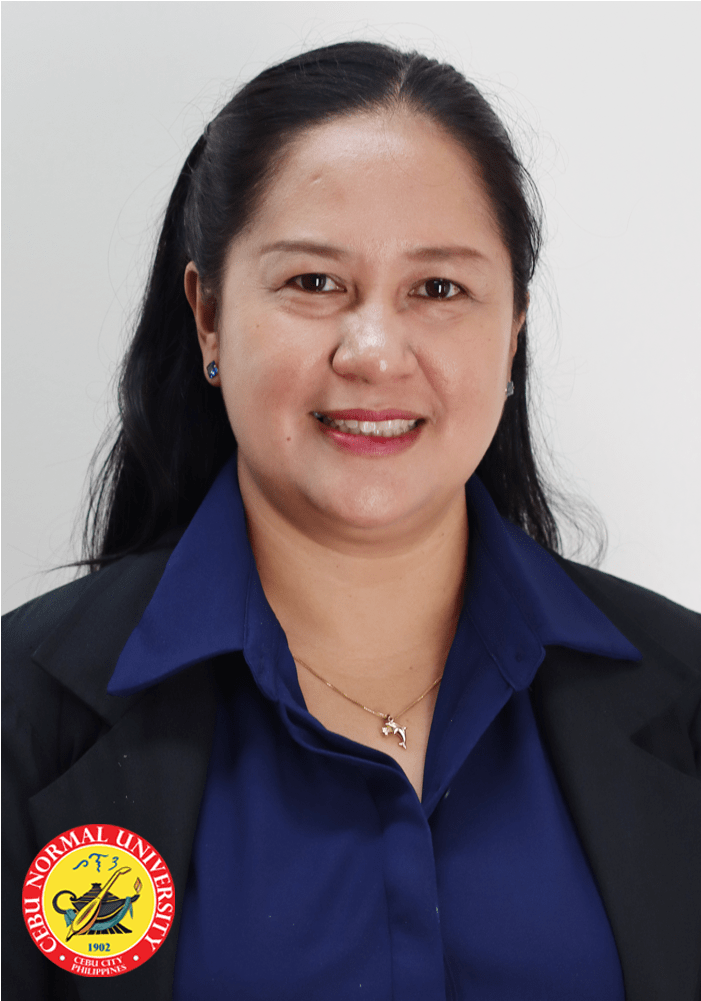
Director, Institute for Research in Innovative Instruction Delivery
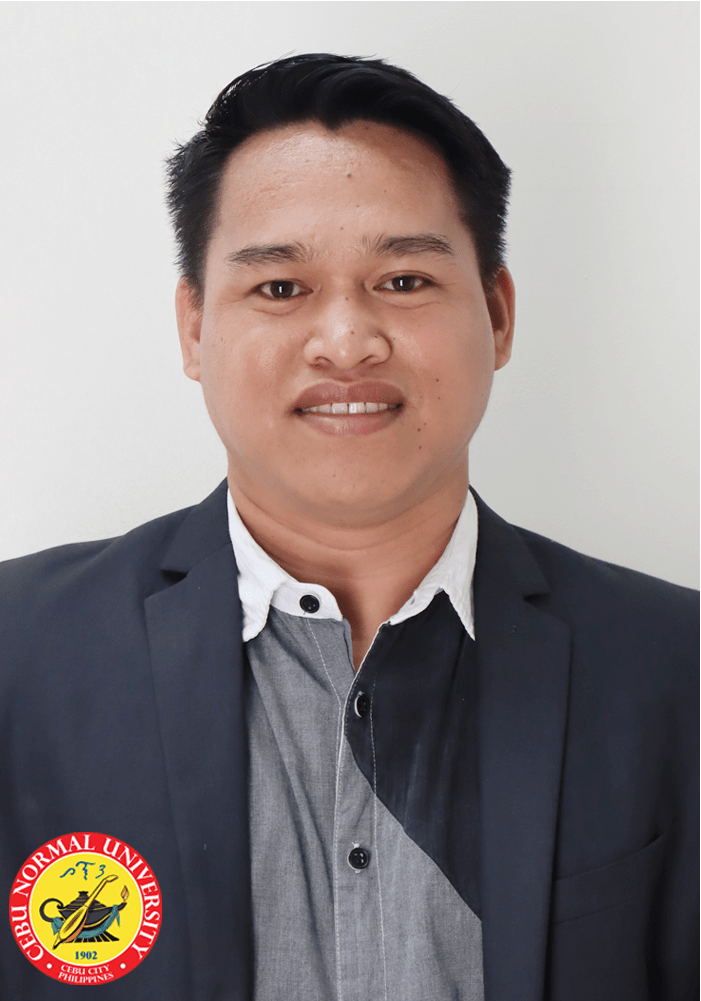
Chair, Socio-Anthropology & Language of Instruction Unit
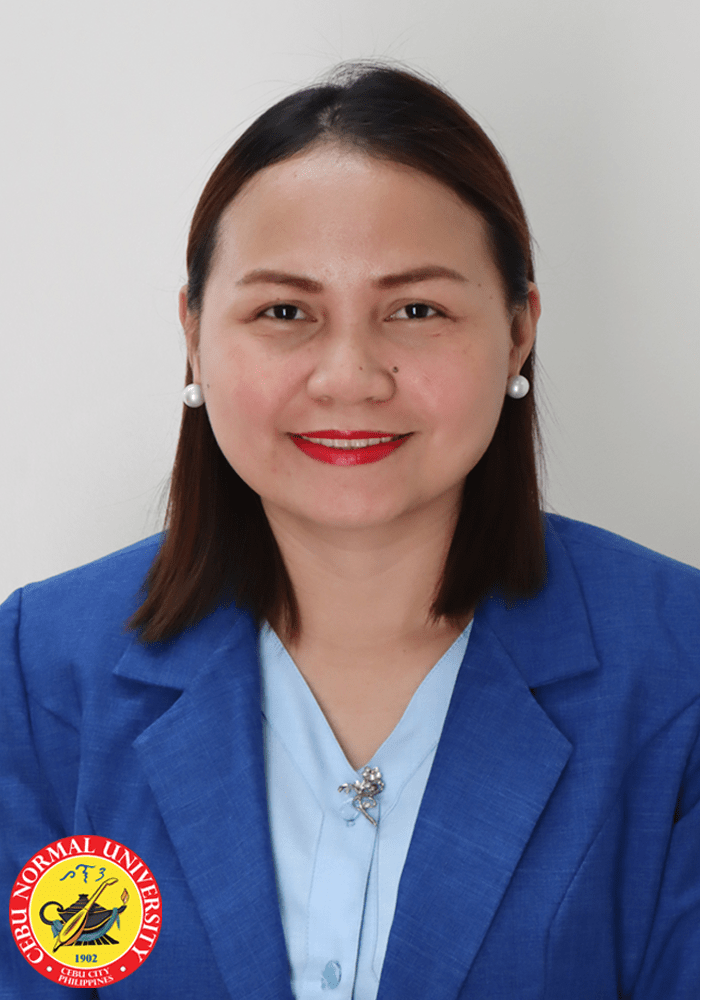
Chair, Translation Research Unit

Chair, Theoritical Research Unit