THE COLLEGE OF TEACHER EDUCATION INTERNATIONALIZATION: THE ONBOARDING
“Internationalizing the Classroom and the Curriculum: Onboarding the Faculty towards Internationalization”
DAY 1
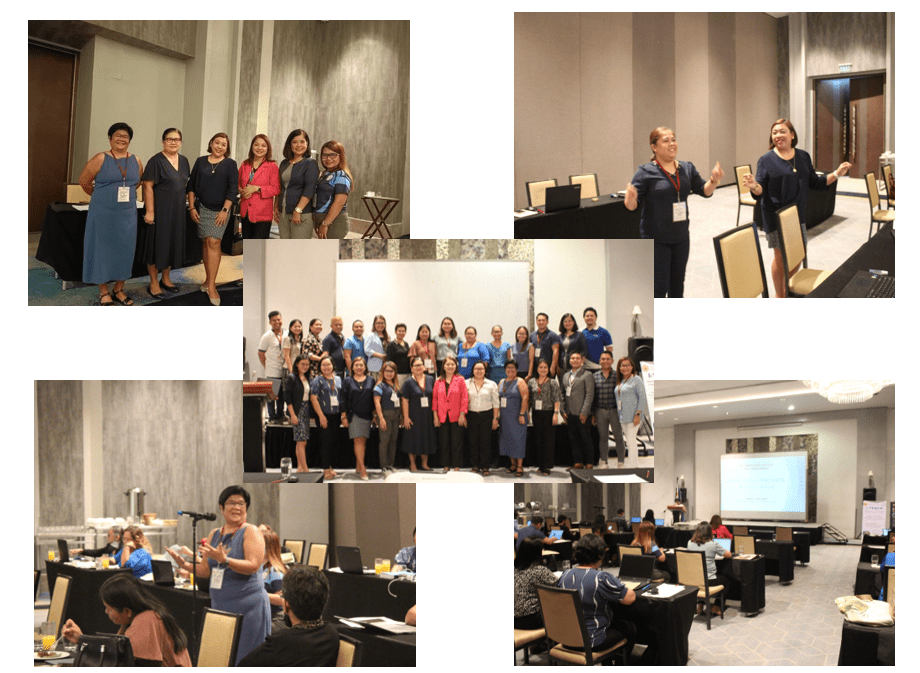
The Cebu Normal University External Affairs and International Linkages Office, together with the College of Teacher Education, conducted a training workshop entitled, The College of Teacher Education Internationalization: The Onboarding with the theme, “Internationalizing the Classroom and the Curriculum: Onboarding the Faculty towards Internationalization”, held at Summit Galleria Hotel on April 19-21, 2023. This is to orient, capacitate, and engage faculty members in the college through the program chairs, coordinators, and focal persons of the unit. A total of 25 participants reported to Summit Galleria Hotel for 3 days.
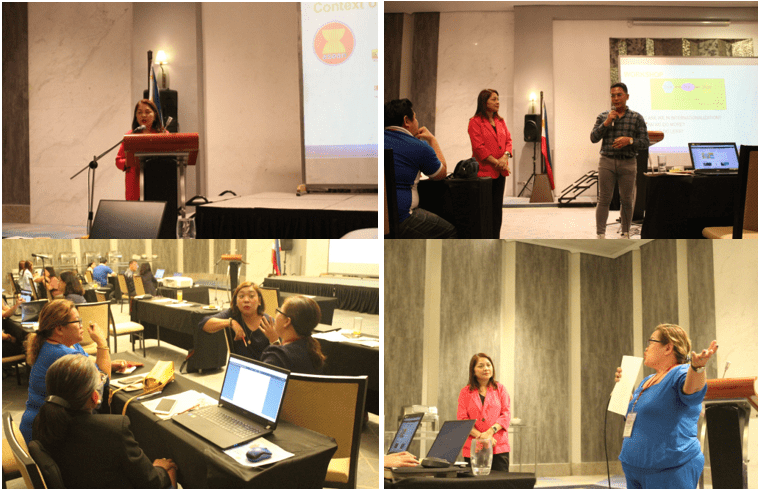
The Director of External Affairs and International Linkages, Ms. Naila Beltran, commenced the program with her welcome remarks, followed by the Vice President for Academic Affairs, Dr. Gwendelina Villarante. She gave her inspirational message emphasizing the need to go global and international. The formal talk started with the Director IV, International Affairs Staff of the Commission on Higher Education (CHED), Atty. Lily Frieda Milla, who emphasized internationalization in Philippine higher education. She congratulated CNU for reaching three stars in the Quacquarelli Symonds (QS) Ranking 2023. She shared the CHED framework for internationalization and a list of initiatives in her office. A number of internationalization programs funded by CHED are also announced to challenge the participants for their active involvement.
The Vice President of Academic Affairs, Dr. Gwendelina Villarante, discussed the CNU Academic Policies in Students and Faculty International Mobility. She highlighted the mission, vision, goals, and objectives of the university as she also emphasized the policies and requirements of the students and faculty in engaging with internationalization.
The next topic was the future directions of IZN or internationalization with no less than the former SEAMEO Director and now the Education Advisor, ASEAN Secretariat, Dr. Ethel Agnes Valenzuela was the guest of honor. She led her part with a short energizer.
She shared a talk with regard to Internationalization Trends and Future Directions in Research, Policy, and Practice. She initiated an activity where the attendees of the training discussed different issues related to internationalization and how to resolve it. The participants were very engaged as they asked questions and shared their experiences with internationalization. The policies of the university were discussed and at the same time issues that needed discussion from the higher-level administrators. The lecture of Dr. Valenzuela also tackled the possibilities for conducting internationalization at home since in this model, lesser expenses are required and at the same time, this is very doable.
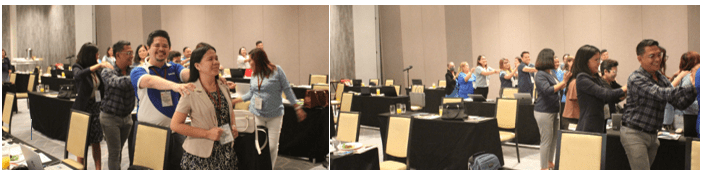
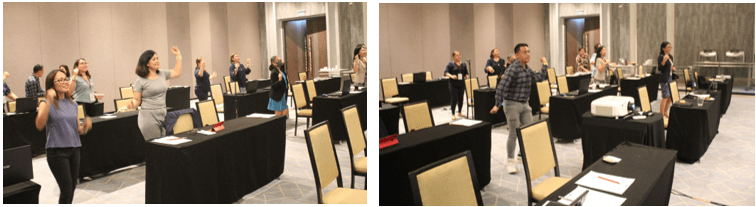
The participants were reenergized for the afternoon session with a dance exercise.
Then, via Zoom, the Director of International Affairs at Tarlac Agricultural University, Dr. Christine Ferrer presented the topic regarding Internationalization Partnership, Models, and Framework. Dr. Ferrer highlighted the importance of benchmarking and mechanisms in achieving the internationalization journey of the College of Teacher Education. At the end of Dr. Ferrer’s talk, she gave a template for the workshop.
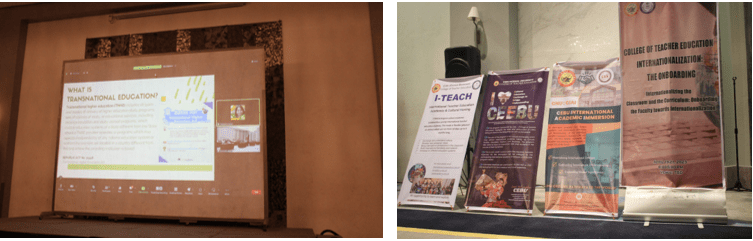
The IZN focal person of CTE came to discuss the CTE IZN initiatives which were soft launched in March and the need to create an implementation plan for these. Dr. Janet A. Mananay presented the four internationalization initiatives by CTE namely, the Cebu International Academic Immersion (CNU – CIAI), the International Teacher Education Academic & Cultural Honing (I – TEACH), the Cultural Education Exchange to Bridge Understanding (CEEBU), and the College of Teacher Education Internationalization Ambassador. From the four initiatives last March, the College has come up with 9 breaking I-TEACH and coming up with additional including International Internship Abroad.
Toward the end of the session Dr. Daisy R. Palompon, Director of the Center on Research and Development presented the Purpose of Rationalization in Internationalization Activities. She emphasized that Internationalization helps improve the quality education at the university. Then, Dir. Beltran presented the challenges and opportunities of the university in acquiring the QS Ranking as the ways forward. The first day of the event ended at 5:00 PM and was hosted by Ms. Baby Jane Uytico.
THE COLLEGE OF TEACHER EDUCATION INTERNATIONALIZATION: THE ONBOARDING
“Internationalizing the Classroom and the Curriculum: Onboarding the Faculty towards Internationalization”
DAY 2
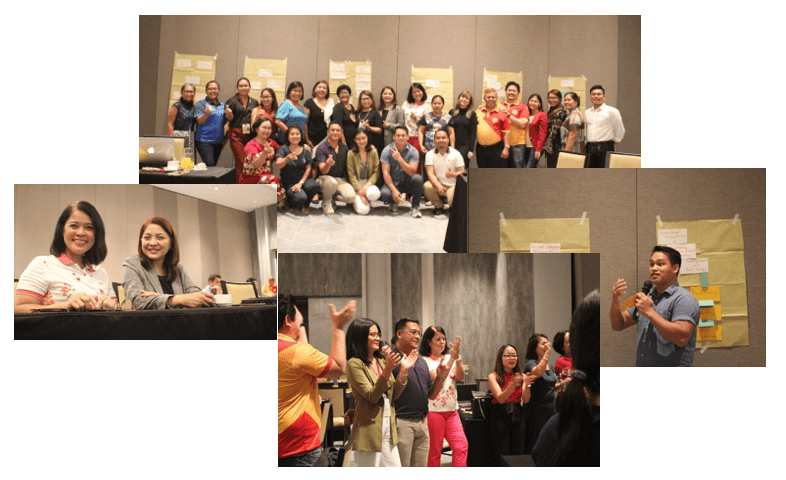
The second day of the CTE IZN: Onboarding Day Two opened early at nine in the morning. Attendees from different departments arrived early and preparations were furnished accordingly. Dr. Jem Cloyd Tanucan opened the ceremony in high spirits, whereby after the prayer, a quick Zumba session kicked off immediately with all the attendees actively participating.
To recap the activities that transpired during the first day, Dr. Remedios Bacus, program chairperson of the CNU Graduate School, took the floor and presented the brief highlights using counting numbers. Starting from nine, she mentioned that the program started at nine AM. The number eight represented the number of hours in the event, which spanned from nine in the morning until five in the afternoon. She also noted the presence and participation of the VPAA, VPEP, EAIL, ESD, CTE, IRIID, and the CIFL, all of which provided great insights relevant to the internationalization agenda of the program.
Likewise, the number six signified the peak time to internationalize the classroom, and the five focused on the topics that were covered in the entire day: IZN in the Philippine Higher Education, policies in student and faculty mobility, IZN trends and future direction, IZN partnerships, and purpose and rationalization of IZN in the university. The rest of the numbers pointed to integral aspects of internalization, with number one embodying the single bold step needed for the success of the agenda: creative partnerships and one office.
The fourth talk, The Nature and Concept of Transnational Education (TNE) commenced with Dr. Ethel Agnes P. Valenzuela, the ASEAN adviser of The Future of Education, as the speaker. She started her talk by sharing the online course she created in CHED, in which she encouraged the attendees and the rest of the faculty members in CNU to enroll themselves and accomplish promptly in order to be recognized as one of the pioneer graduates.
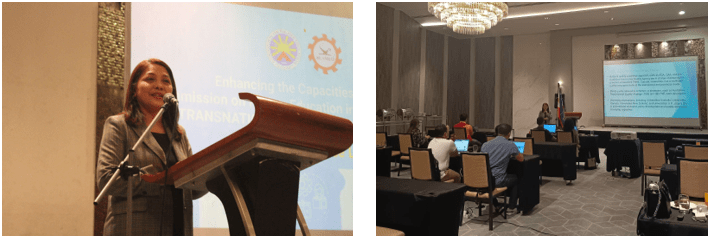
Introduction to Transnational Education as the first module traced the pillars of internationalization in higher education. Dr. Valenzuela said that enrolling in internationalization programs and courses are a great investment for oneself and the institution because it maximizes opportunities and opens new doors for partnerships. As such, she urged the attendees to do the same to benefit CNU, especially since the university is gearing towards opening its CTE IZN plans and projects to the body soon.
The second module centered on Southeast Asian Transnational Education Models. One of the highlights of this segment was the virtual tour of the Incheon Global Campus (IGC; https://www.igc.or.kr/en/index.do), the first joint campus of global universities in Korea. This very example cited by Dr. Valenzuela emphasized that Southeast Asian nations are highly supportive of internationalization, whereby universities within this realm are amenable to franchises, branch campuses, twinning degrees, offshore institutions, international institutions, and distance and virtual learning universities.
However, even in these global and remarkable benchmarks, Dr. Valenzuela emphasized that such programs are only effective because they are contextualized and built from the assessments done in their respective nations. As such, the speaker encouraged the attendees to do the same and be mindful of implementing and applying the same programs directly without tailor-fitting them to the needs that we have in the country as a whole.
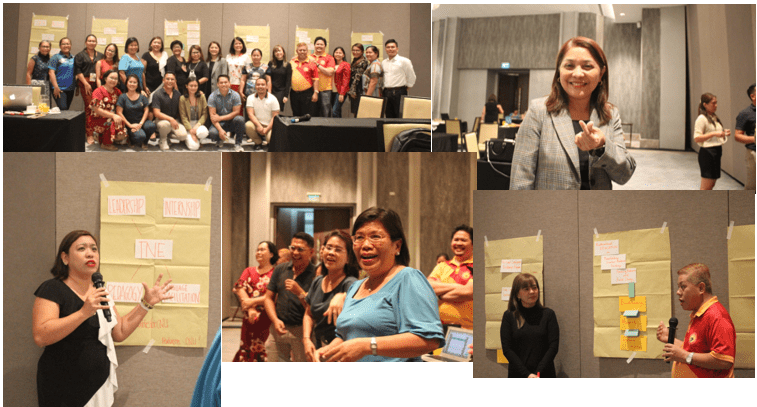
In the midst of the talk, the Think-Pair-Share workshop proved to be helpful in materializing internationalization plans as the attendees grouped together and presented their responses to the question: Can we move TNE HE in CNU? Can we have our courses and offerings internationalized? The answers were positive at large, most of which were grounded on dual degrees, language facilitation, collaborative programs and research, and chiefly, making CNU borderless.
The third part of Dr. Valenzuela’s talk focused on Global Transnational Education models and Benchmarks. The speaker delineated the different driving forces of internationalization in SEAMO AMCs. Primarily, it is about connections and providing quality not only in the local and national scene but also in international academic relations.
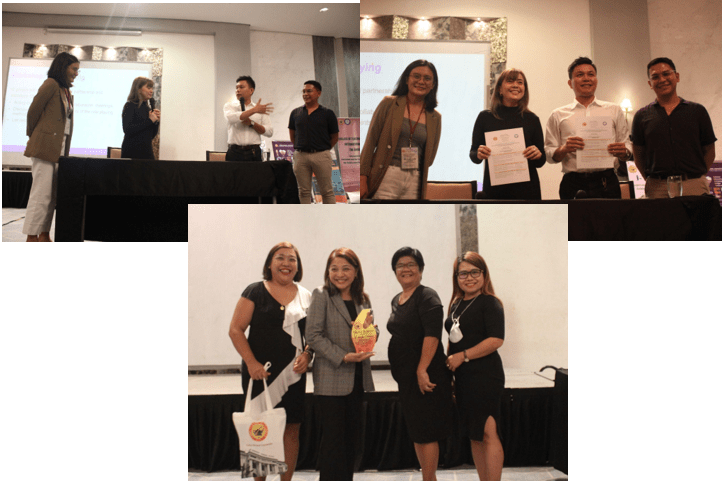
The talk likewise featured a roleplaying workshop simulating instances of collaboration between CNU and an international partner. Dr. Marlon Bojos and Dr. Christise Espera, joined by Ms. Baby Jane Uytico and Dr. Jem Cloyd Tanucan, showed an example of the way schools ought to partner with other key stakeholders outside of the school. Dr. Valenzuela noted that such was a prime case in point but can still be improved through the inclusion of proper interactions, such as the correct way of giving business cards, to make partnerships more formal.
After the break, the second part of today’s session commenced. Talk Six entitled “TSU Internationalization” began with the introduction of the speaker by Dr. Janet A. Mananay. This portion’s speaker was none other than Dr. Jasper Jay Mendoza, the Dean of the College of Teacher Education at Tarlac State University.
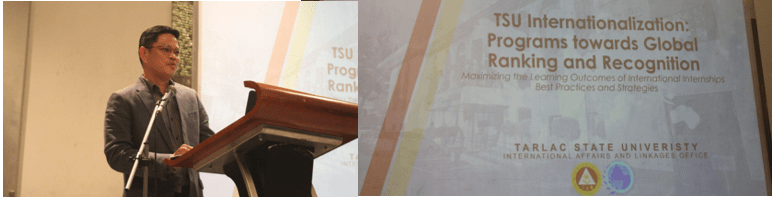
The first part of the talk focused on fast facts, where the number of public and private HEIs were identified. Looking at this, Dr. Mendoza noted the opportunities that are available in number as these institutions may partner in terms of linkages to provide the means for internationalization. Similarly, the speaker shared the four Rs that are indispensable in forwarding the internationalization agenda within schools: relevance, responsiveness, recalibrate strategies, and rebuild better. The first one notes that programs must be relevant and build the foundation of internationalization. Responsiveness likewise emphasizes the need for institutions to be prompt to not miss out on activities and opportunities. To recalibrate strategies suggests that institutions must check and recheck their programs, and to rebuild better must best be based on those.
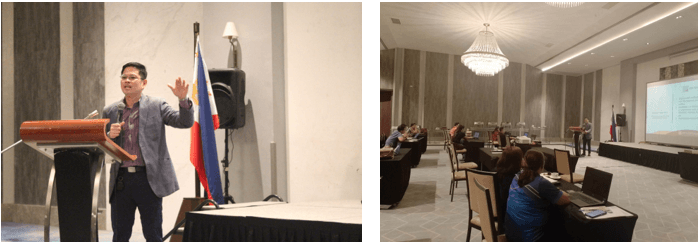
Likewise, Dr. Mendoza presented the different factors that affect internationalization. Firstly, projects must be built on existing/potential niche/flagship programs that support the economic and social agenda as internationalization programs touch external aspects. Moreover, they must support unmet local demand and widen access to international qualifications and bolster the PH in the ASEAN higher education sector. Finally, programs and other projects must support the broader ASEAN and UN relations as internationalization itself is concerned with the two and those help support the agenda at large.
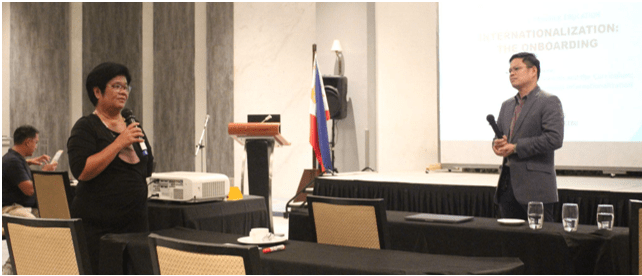
In internationalization, Dr. Mendoza emphasized that projects must not just be about knowledge transfer but rather on co-creation of knowledge that transcends borders. He remarked on the fact that the focus of internationalization must not only be geared for the university but also for the stakeholders that are directly affected and involved in the process.
The speaker likewise mentioned the key elements of the internationalization agenda. Institutions must have clear key actions and projects in order to materialize the projects better. Another element is to have measures of success that serve as a guide in moving forward. Both strategic objectives and key outcomes are equally pertinent as those elements as they are the ones that determine the direction of the program and projects at large.
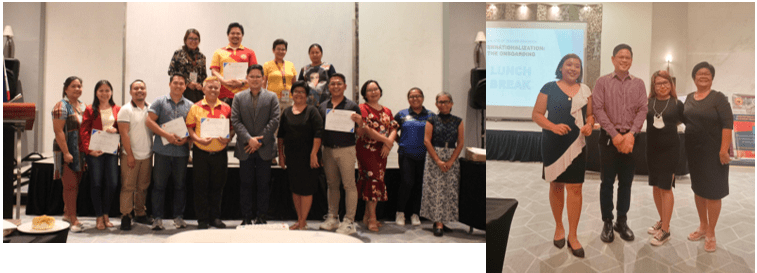
The rest of the discussion centered on the means to benchmark the programs of Tarlac State University in Cebu Normal University. The attendees of the event likewise raised their questions to the speaker which led to fruitful discussions until the end of Dr. Mendoza’s speakership.