Cebu Normal University
THE OFFICE FOR INTERNATIONALIZATION & GLOBAL CITIZENSHIP

Design Thinking in Higher Education

Cebu Normal University’s (CNU) history began with the establishment in 1902 of Cebu Normal School as a provincial branch of Philippine Normal School. With the passage of R.A. No. 5128 in 1967, Cebu Normal School was renamed Cebu Normal College. In 1976, it was converted into a state college by virtue of P.D. No. 944. On June 27, 1998, the higher education institution (then called Cebu State College) attained university status and was named Cebu Normal University (CNU) pursuant to R.A. No. 8688. CNU has campuses in Medellin and Balamban.

 
DESIGN THINKING IN CEBU NORMAL UNIVERSITY

CNU’s involvement in design thinking can be traced to its participation if the FOUNDATION WORKSHOP FOR LEADERS ON DESIGN THINKING held in Singapore Polytechnic on September 18 – 20, 2014. The program infused design thinking mind set to foster local innovators capable of using design thinking methodologies to identify user needs and to generate sustainable technological innovations that impacts the larger ASEAN region. As part of this program CNU sent selected faculty members to the Design Thinking Skill-set Development Workshop held in December 2014 and a Practical Workshop on Application of Design Thinking held last March 2015. The selected faculty members became core trainers and they received additional training in SP to equip them with facilitating skills to implement a Design Thinking program in Cebu. The said workshop and the training held thereafter was sponsored by Temasek Foundation.

Temasek Foundation is a non-profit philanthropic organization anchored in Singapore that seeks to contribute to sustainable growth and a bright future of hope and opportunities for people in Asia. The foundation works with partners to support programs that build people through health care and education, programmes that build bridges between peoples, programs that build institutions of excellence through governance and ethics, and programs that rebuild lives and livelihoods affected by natural disasters.

Inspired by the program, CNU seized the opportunity to leverage design thinking by offering a 14-day unique extension program called E-HELP (Education, Health, Environment, Livelihood, and Peace) Design Thinking Laboratory for Caputatan Norte, Medellin from September 6 – 19, 2015. CNU’s Board Regents approved the Memorandum of Understanding between CNU, Philippines Association of State Universities & Colleges (PASUC), Philippines, SP, and SP International PTE LD to implement design-thinking infused social innovation projects in Cebu. The recently-concluded E-HELP Design Thinking Laboratory established international links between SP and CNU. It also helped the residents of Caputatan Norte address issues on community tourism development, sustainable livelihood, and sanitation improvement. A total of fifty students (25 each from CNU and SP) had authentic learning on real issues and problems. Their exposure provided them learning opportunities to be “World Ready” by working jointly with international students. The student-developed solutions for community tourism, livelihood and sanitation served as links to industry to possibly commercialize them for the mutual   benefit of the industry and community. E-HELP Design Thinking Laboratory established the design thinking community of educators in Cebu that will network with other communities in the Southeast Asia region.

CNU is leading in the Design Thinking Cascading Program in the Visayas. On September 21 – 22, 2015 CNU’s master Trainers assisted by DT Specialist will present to faculty members from state universities and colleges in the Visayas its experience in implementing its E-HELP Design Thinking Laboratory and to share with them the effectiveness of incorporation Design methodology in teaching and learning. As evidence of its efforts to institutionalize design thinking CNU Board of Regents approves CNU Graduate Attributes, to wit: (1) Facilitator of learning – 1 CNU graduate takes on the responsibility of teaching knowledge in the discipline as a holistic process; (2) Design thinker- A CNU graduate who can  apply core skills in literacy, numeracy, scientific literacy, ICT literacy, financial literacy and sociocultural literacy to everyday task as well as competently respond to complex challenges through resourcefulness, imagination, insight, and collaboration to meet current emerging needs of society; (3) Protector of nature – A CNU graduate who can assume an unconditional accountability to protect the natural environment through sustainable conservation practices and firm advocacy; and (4) Mission-driven worker – A CNU graduate who pursues an enduring purpose in life with the passion to become what one is capable of becoming.

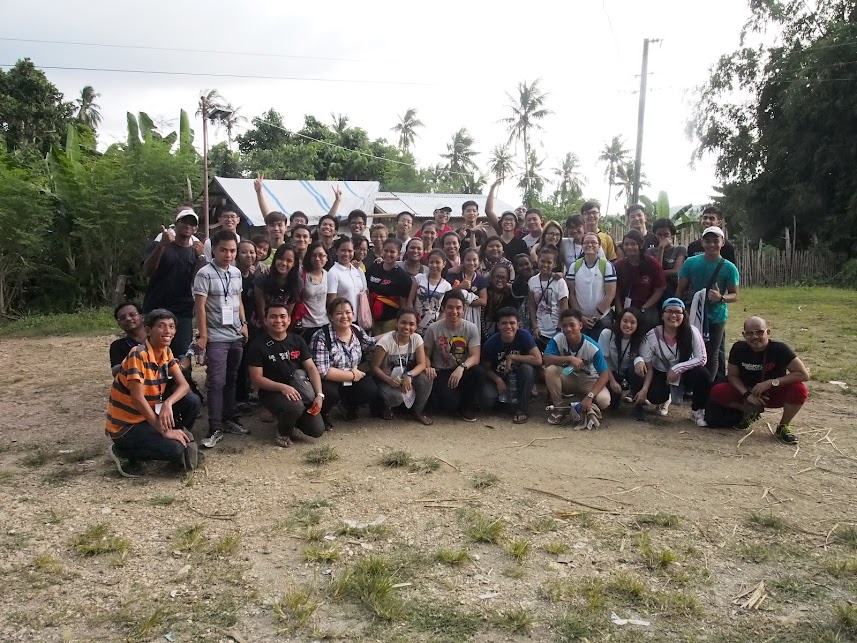
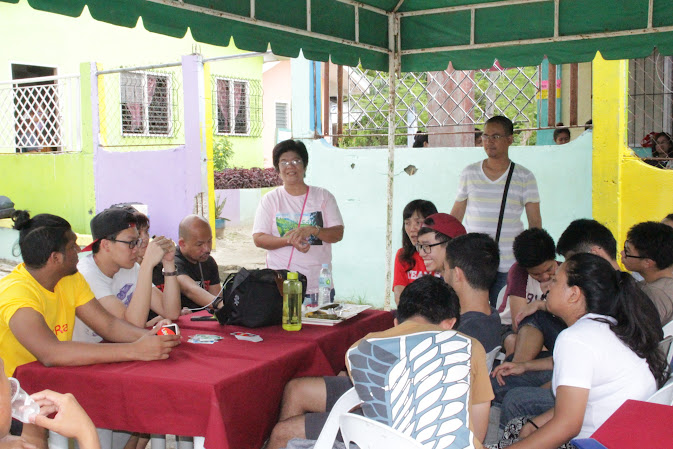
  • The Learning Express team (Singapore Polytechnic University and Cebu Normal University Students) during their community engagement and exposure at the adapted community of CNU, Caputatan Norte, Medellin.
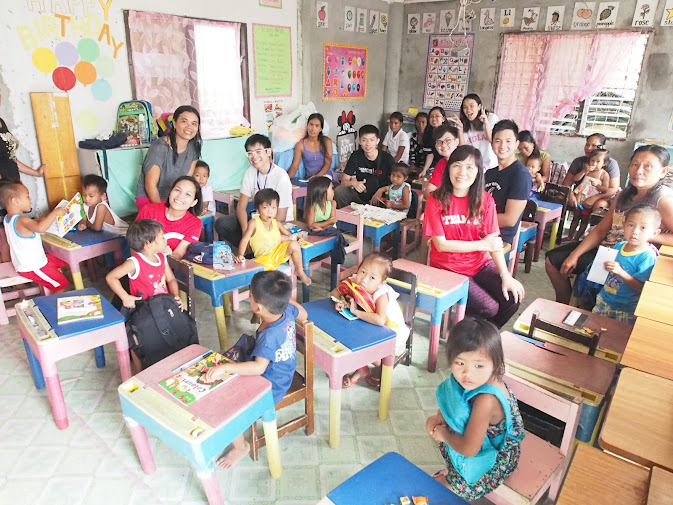


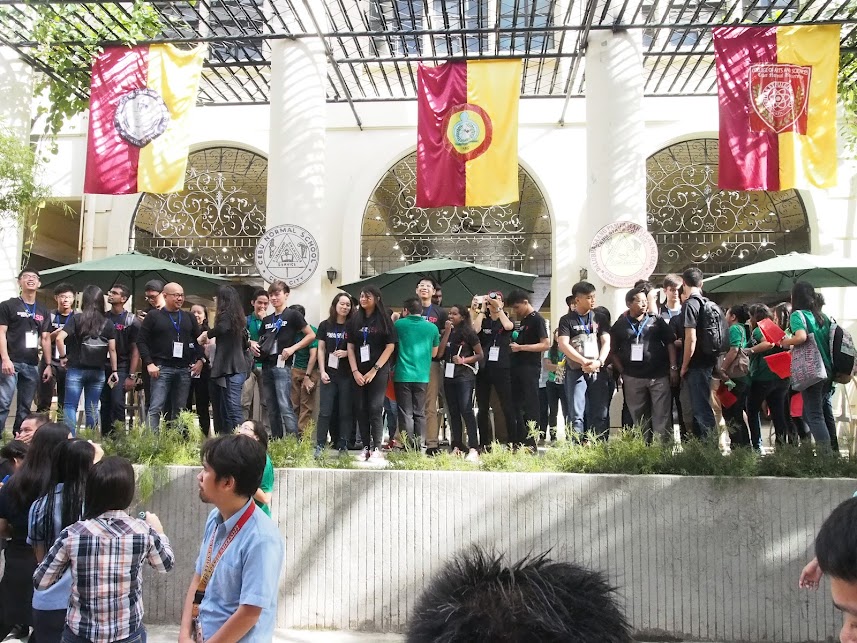
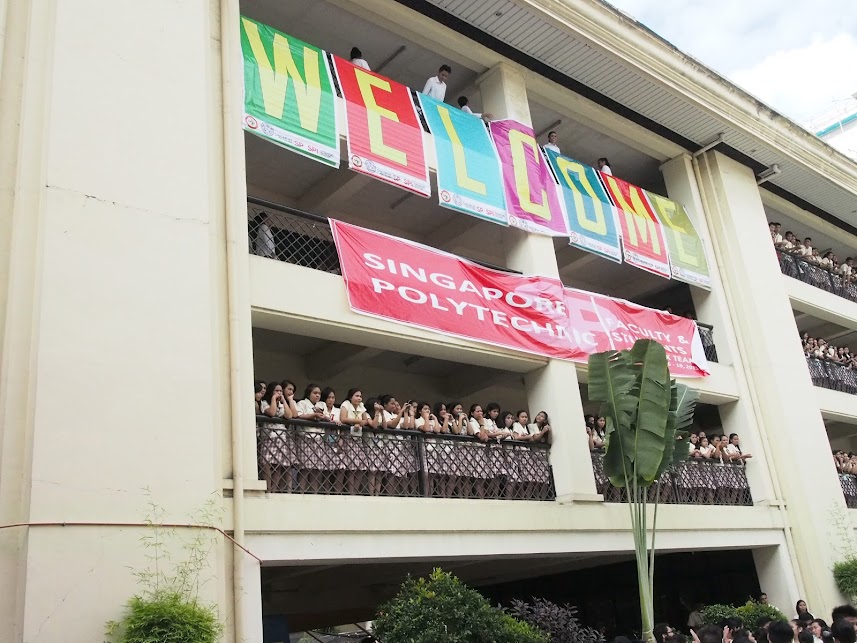
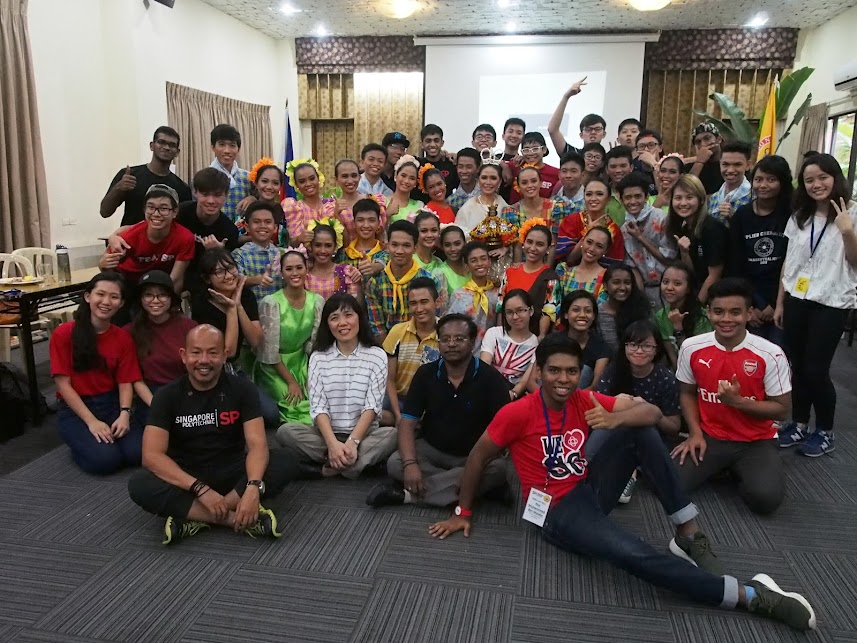
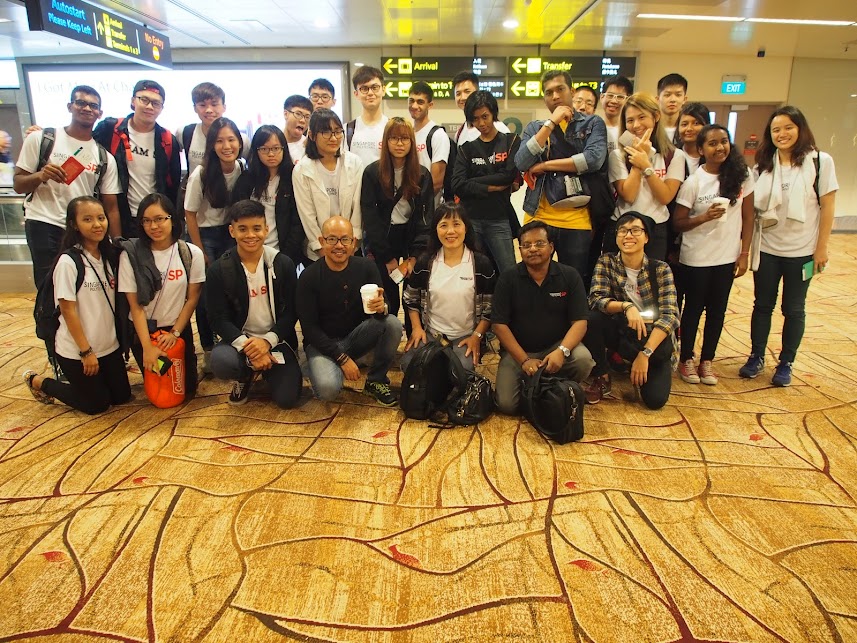
  • The Singapore delegation during the Welcome Ceremony of their arrival to the Philippines at the Cebu Normal University facade.
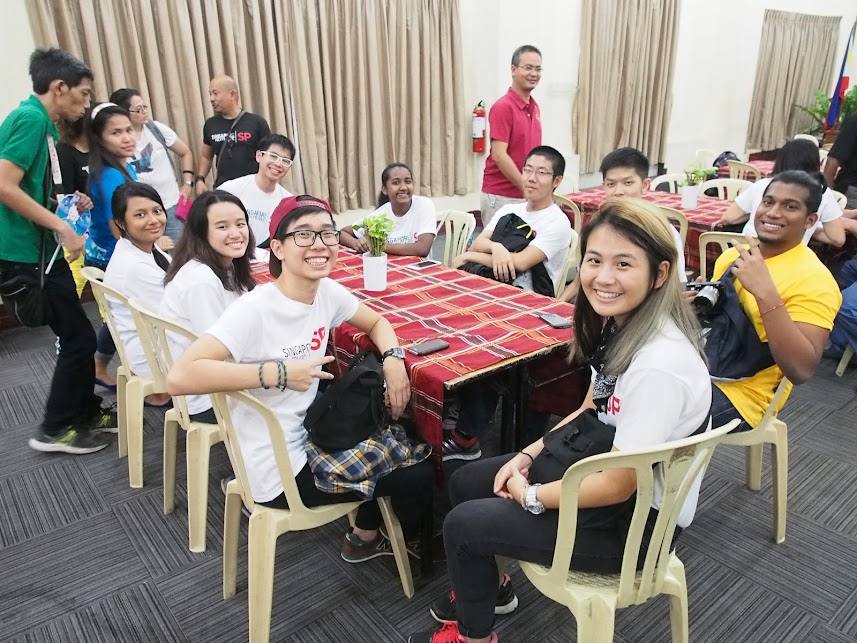


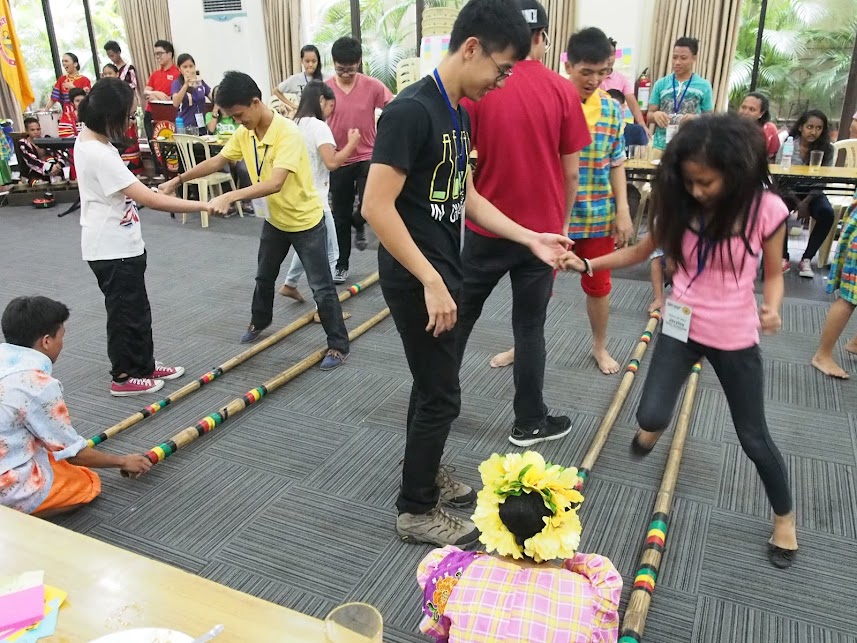
  • The Learning Express team also had their cultural interaction with students and community members. One of their most unforgettable events was the dancing to the beat of the Sinulog dance.
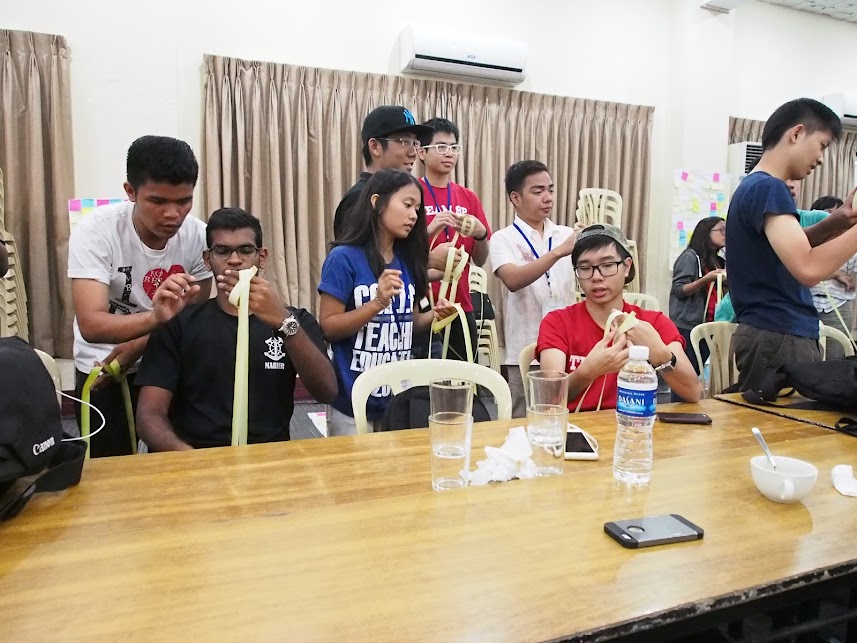



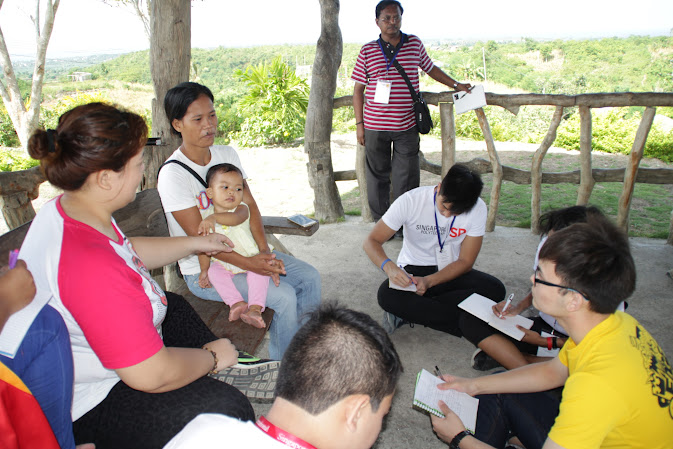
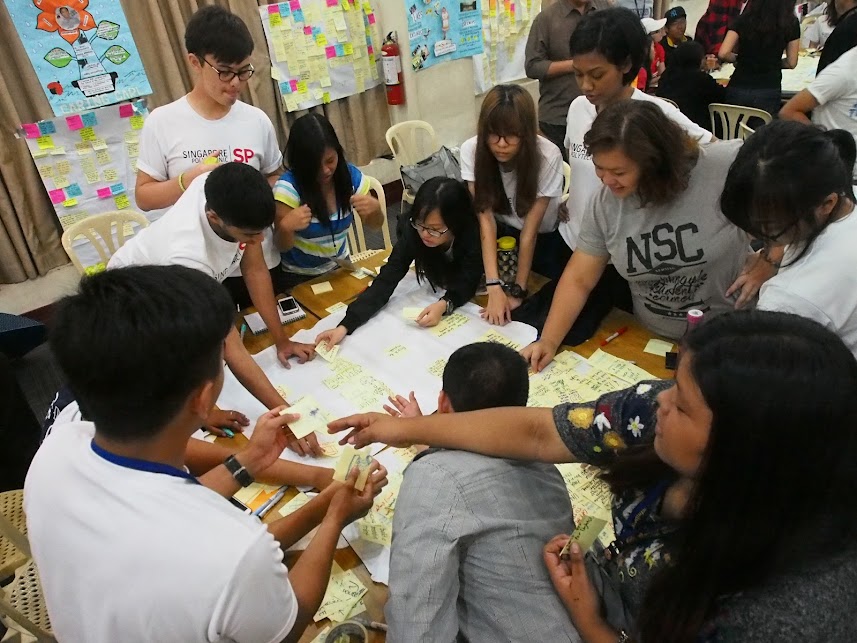
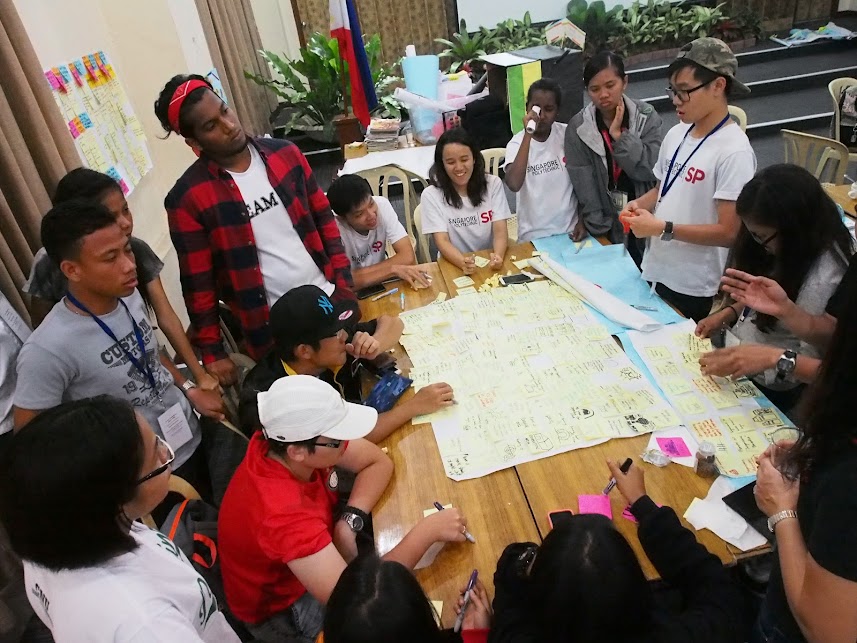
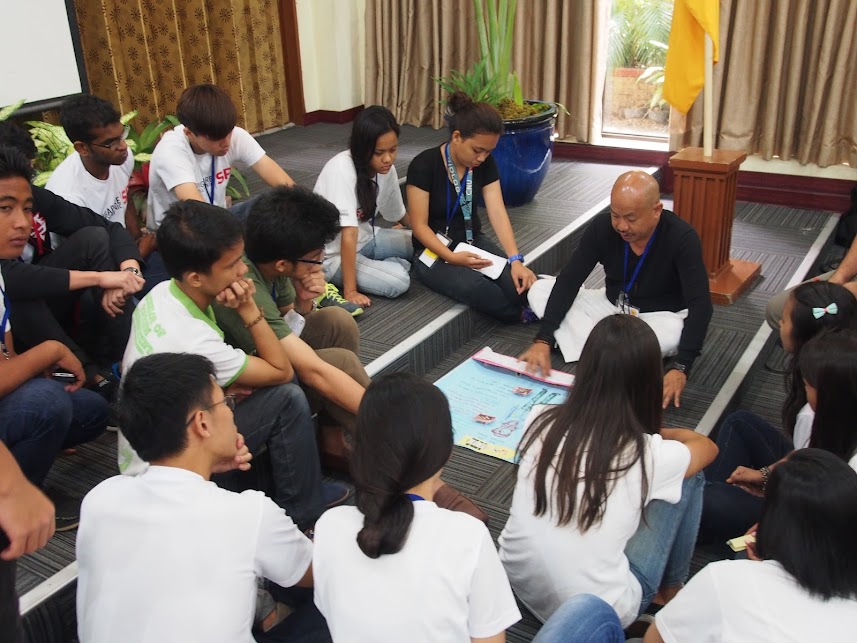
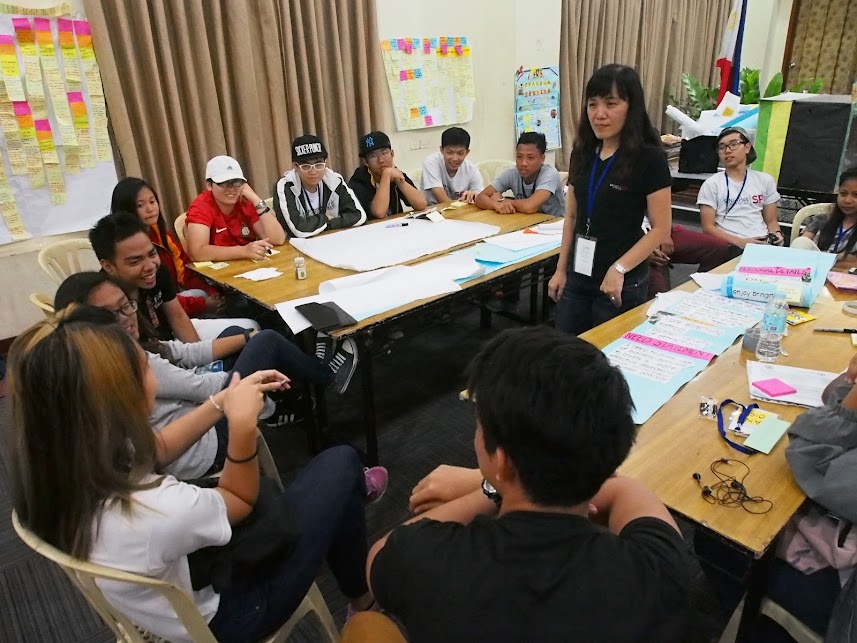
  • SPU and CNU students collaborated in addressing issues and concerns of the community at the Tandang Sora Hall. These results were later presented by the students with varied stakeholders in attendance.


Cebu Normal University
PRIVACY POLICY

Policy Statement

This Privacy Policy is adopted in compliance with the Data Privacy Act of 2012 (Republic Act No. 10173), its Implementing Rules and Regulations (IRR), and other relevant issuances of the National Privacy Commission (NPC). The University is committed to protecting and respecting your personal data privacy. We process personal information in accordance with the principles of transparency, legitimate purpose, and proportionality. This Policy informs how we collect, use, disclose, store, protect, and dispose personal information of our data subjects.

Definitions

Personal information refers to any information, whether recorded in a material form or not, from which the identity of an individual is apparent or can be reasonably and directly ascertained by the entity holding the information or when put together with other information that would directly and certainly identify an individual.

Sensitive information is a type of personal information with the risk of discrimination against the Data Subject. These are about an identifiable person’s racial or ethnic origin, marital status, color, and religious, philosophical, or political affiliations. It is also, about an individual’s health, education, the genetic or sexual life of person, or any proceeding for any offense committed or alleged to have been committed by such person, the disposal of such proceedings, or the sentence of any court in such proceedings; Issued by government agencies peculiar to an individual which includes, but not limited to, social security numbers, previous or current health records, licenses or its denials, suspension or revocation, and tax returns; and specifically established by an executive order or an act of Congress to be kept classified.

Privileged information refers to any and all forms of data which under the Rules of Court and other pertinent laws constitute privileged communication.

Information We Collect

The University may collect personal information in the context of its regular functions — including but not limited to the following categories:

  1. Students: contact and enrollment details, academic records, health or medical records, accommodation records, student-activity participation, and related data.
  2. Staff and job applicants: contact details, employment history, qualifications, employee-related data.
  3. Alumni profiling: contact and demographic details.
  4. Visitors, volunteers, and other stakeholders: information collected through sign-in forms, CCTV or security monitoring, photos or recordings during official events, surveys, and feedback forms.

Collection may occur by any medium, including: paper forms, electronic forms, email, website or online platforms, CCTV or video/photographic capture, surveys/questionnaires, and other lawful means.

Purposes and Uses of the Data Collected and Processed

Personal information collected may be used for:

  1. Administration of admission, enrollment, employment, alumni relations, and other official functions.
  2. Maintenance of student and employee records, including academic, health, and administrative data.
  3. Provision of University services such as counseling, scholarship administration, placement, library access, facilities use, laboratory access, security, parking, and accommodation.
  4. Internal research, quality assurance, performance monitoring, and institutional planning.
  5. Compliance with statutory obligations (e.g. reporting to government agencies when required).
  6. Security, safety, and campus management, including CCTV monitoring.

Legal Basis / Lawful Criteria for Processing

All processing of personal data is carried out in accordance with the legality, fairness, and lawfulness requirements under the Data Privacy Act and IRR.
Where applicable, processing is grounded on consent, contract, legal obligation, legitimate interest, or other lawful bases recognized under the law. The choice of lawful basis depends on the nature of data, the purpose of processing, and legal or contractual requirements.

Manner of Collection and Processing

Personal data may be collected through physical forms (paper-based), electronic forms, online or web-based platforms (e.g., registration portals, email, institutional website), CCTV or video/photo capture (for security or surveillance), event sign-in sheets or registration forms, surveys or questionnaires, or other legitimate and lawful means.

Processing may include collection, recording, sorting, storing, retrieval, use, updating, modification, blocking, destruction or other operations as allowed under the law, consistent with declared purposes.

Disclosure of Information

The University does not disclose personal information except under the following circumstances:

  1. Internal disclosure within authorized University personnel, only when necessary and appropriate for legitimate institutional purposes.
  2. External disclosure only when required or permitted by law (e.g. statutory obligations), or when the data subject has provided valid consent.
  3. Sensitive personal information or privileged information is processed and disclosed only in accordance with relevant legal provisions.

Risks, Safeguards and Security Measures

The University recognizes that processing of personal data entails certain privacy and security risks. Accordingly, we implement appropriate organizational, technical, and physical security safeguards to protect the confidentiality, integrity, and availability of personal data — whether in electronic or physical form. Such measures include (but are not limited to):

  1. Access controls (both digital and physical) to restrict access only to authorized personnel
  2. Use of secure storage: locked filing cabinets or secure rooms for physical records; password-protected systems, encryption, secure servers, firewalls for electronic data
  3. Secure transmission of data (when shared or transferred), secure printing and disposal protocols, and safe deletion or destruction of data when no longer needed
  4. Classification of data and periodic review of security protocols, to ensure adequacy in light of the risks presented and sensitivity of the data processed

Rights of Data Subjects

Under the Data Privacy Act and its IRR, data subjects have the following rights:

  1. Right to be informed — you have the right to know whether personal information about you will be, is being, or has been processed; the purposes of processing; the personal data to be entered; and the scope and method of processing.
  2. Right to access, correct, or update your data — you may request access to your personal information, ask for rectification of inaccuracies, or request updates.
  3. Right to object or withdraw consent — when processing is based on consent or legitimate interest, you may withdraw consent or object, subject to legal limits.
  4. Right to data portability — where applicable, you may obtain a copy of your personal data in a secure and portable format for transfer to another controller.
  5. Right to erasure or blocking — if personal data is incomplete, outdated, unlawfully obtained or processed, no longer necessary, or processing is unauthorized, you may request erasure or blocking, subject to legitimate grounds for retention (e.g. legal obligations or defense of legal claims).
  6. Right to damages — you may seek indemnification for damages resulting from inaccurate, incomplete, outdated, unlawfully obtained or unauthorized use of your personal data.
  7. Right to lodge a complaint with the NPC if you believe your data privacy rights have been violated.

Requests for access, rectification, objection, portability, erasure or complaints may be submitted in writing to the University’s designated Data Protection Officer (DPO) or Data Privacy Office.

Security, Retention, and Disposal

The University implements appropriate organizational, technical, and physical security measures to safeguard personal data — whether in paper or electronic form — against unauthorized access, disclosure, alteration, or destruction. Such measures include: secure storage (locked filing cabinets or rooms), restricted access to authorized personnel only, use of locked screens/screensavers, secure transmission (sealed envelopes or secure electronic transmission), secure printing and disposal of documents, and safe deletion or destruction of data when no longer needed.

Personal data will be retained only for as long as necessary to fulfill the declared and legitimate purposes, or as required for legal obligations or defense of legal claims. When no longer needed, personal data will be disposed of securely in accordance with University policy and relevant data-protection guidelines.

Consent, Notice, and Legitimate Processing

Where required by law, consent will be obtained from data subjects prior to collection or processing of their personal or sensitive data. In other cases (e.g. CCTV monitoring, legitimate interest), the University will inform data subjects through appropriate notice mechanisms before or at the time of data collection. Privacy notice(s) will accompany data-collection forms or be posted in conspicuous campus areas, and on the University website. At all times, data processing is based on legitimate purpose and proportional to the need.

Data Subject Access and Contact

To exercise your rights or if you have any inquiry, concern, or request regarding your personal data, please contact:

Omar B. Roma

Data Protection Officer
Email: dpo@cnu.edu.ph
Phone: 09422041421

Changes to This Policy

The University reserves the right to update or amend this Privacy Policy as necessary to reflect changes in applicable laws, regulations, regulatory guidance, or its internal data-processing practices. Updated versions will be posted on the University’s official website and, where appropriate, communicated to data subjects.