Menu

Philippine Standard Time:

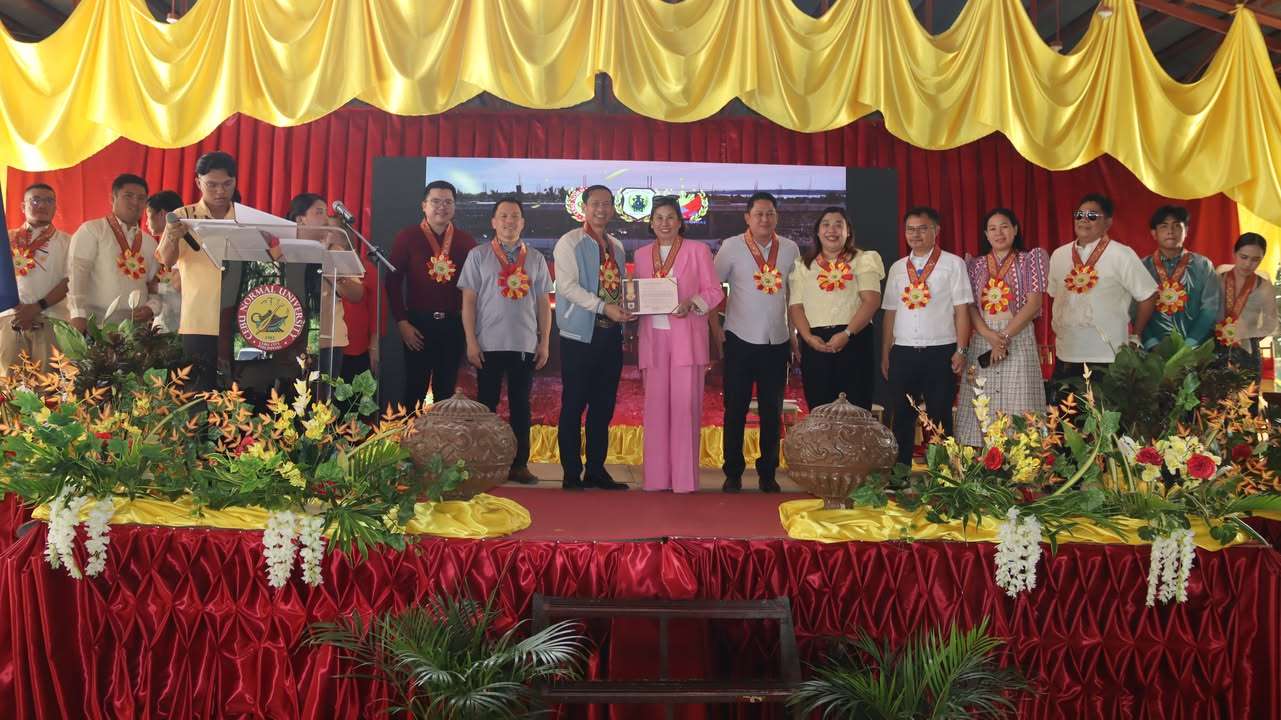
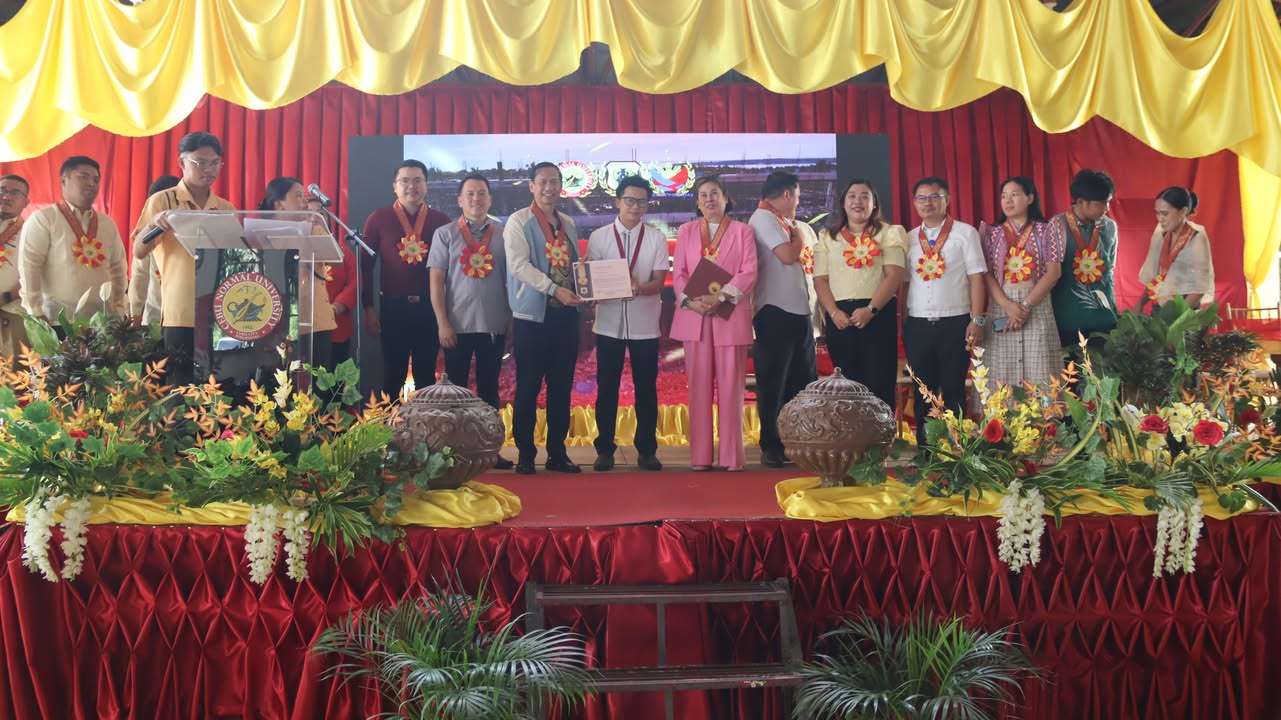
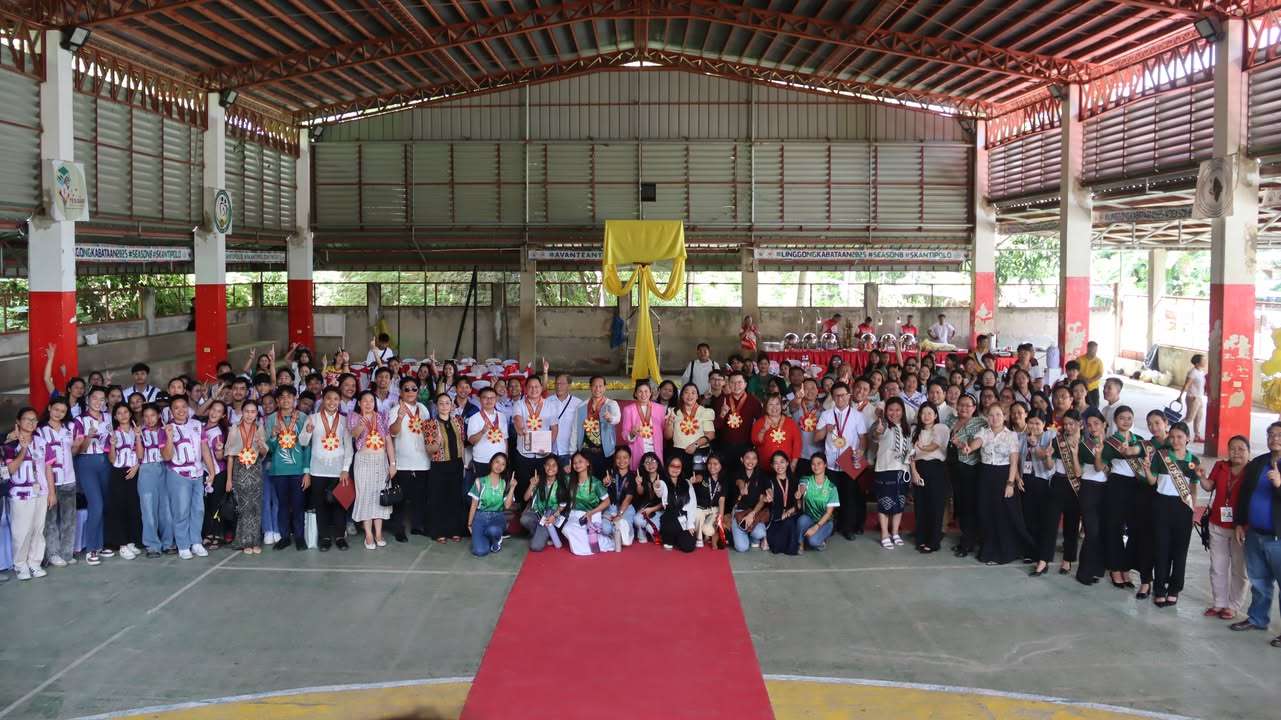
Cebu Normal University (CNU) has officially launched the CNU–Medellin Campus as a regular campus, marking a major milestone in the university’s expansion of accessible and quality teacher education in northern Cebu.

The move is pursuant to Republic Act No. 12284 and its Implementing Rules and Regulations (IRR), which was formally approved through CNU Board Resolution No. 165. The law took effect on December 31, 2025.

The establishment of the CNU–Medellin Campus as a regular campus institutionalizes its operations, strengthening academic offerings, administrative support, and long-term development plans in the area.

CNU President Dr. Daniel Ariso, Sr. said the transition affirms CNU’s commitment to bringing quality higher education closer to communities outside Metro Cebu.

UNIFIED ACTION

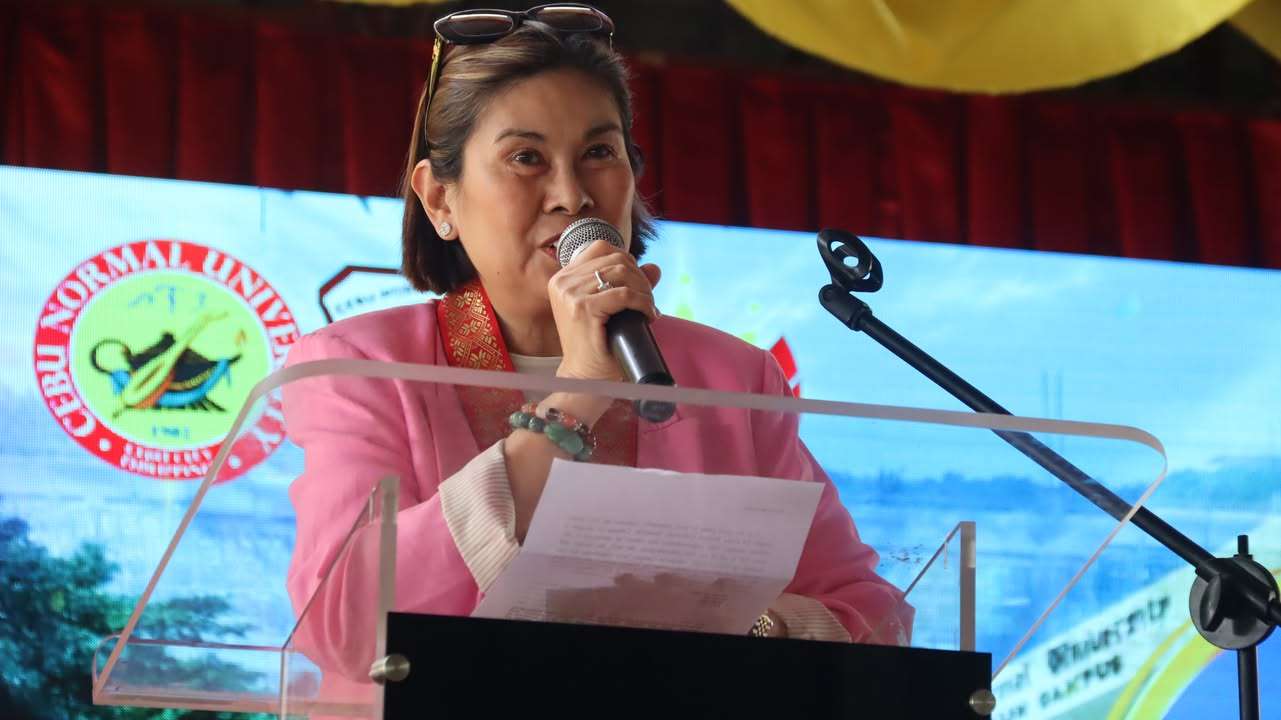
Former Cebu 4th District Representative Janice Salimbangon, the principal author of House Bill No. 10408, was credited for championing the measure that led to the passage of the law. The legislation paved the way for the campus’ elevation, responding to the growing demand for accessible teacher education and allied programs in the northern city and municipalities of Cebu.

“It is my great pride to have principally authored the bill for CNU-Medellin to become a regular campus,” she said.

But she said this unprecedented fate cannot be attributed to her alone but also to the entire administration and CNU community.

“I hope this success will pave the way for more brighter future our children, for our district, for our province of Cebu, and for the entire region,” she said.

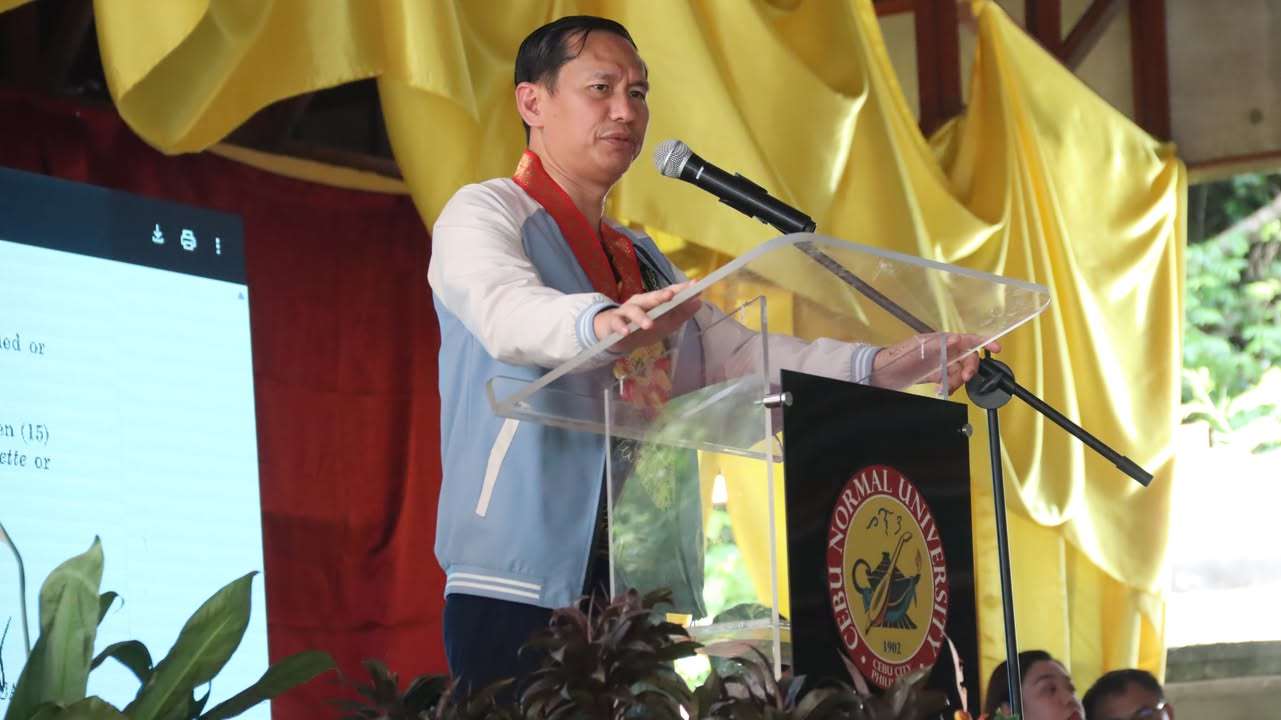
Gov. Pamela Baricuatro, whose speech was delivered by her consultant on education matters, former Cebu board member Christopher Baricuatro, congratulated CNU, its leadership, faculty, students, and the entire Medellin community on the institution’s official recognition as a regular campus, calling it a historic milestone for northern Cebu.

In her speech, Baricuatro emphasized that the recognition reflects a shared commitment to accessible, quality, and future-ready education for the youth.

She reaffirmed that education and youth development remain her top priorities, noting that investing in young people is an investment in the future of Cebu.

The governor highlighted the vital role of institutions like CNU in shaping not only competent professionals but also God-driven leaders who will serve and guide their communities.

She described the campus as a symbol of opportunity, bringing higher education closer to home and expanding access for generations to come.

Baricuatro also expressed continued support for education initiatives, youth development programs, and meaningful partnerships that broaden learning opportunities, urging stakeholders to “dream bigger, serve better, and lead with purpose.”

She concluded by expressing hope that this new chapter would inspire greater excellence, service, and impact in Cebu and beyond.

Cebu 4th District Rep. Sun Shimura, whose speech was delivered by Atty. Jude Colina, described the official recognition of Cebu Normal University–Medellin as a regular campus as more than an institutional milestone, calling it the fulfillment of a long-standing aspiration of the people of Medellin and neighboring towns.

In his message, Shimura said the campus symbolizes “access to quality education, dignity, and hope,” noting that through RA No. 12284, Medellin now has a permanent public university campus that serves not only the town but nearby communities as well.

“This campus is a place where young men and women can dream bigger,” he said, adding that he has witnessed firsthand how access to higher education transforms lives and uplifts entire communities.

Shimura emphasized that milestones such as the recognition of CNU-Medellin reaffirm the importance of continuously investing time, effort, and support in institutions like CNU.

He also acknowledged that the achievement was made possible through the perseverance of the CNU community, the dedication of its administrators and staff, the support of local leaders, and the faith of the people who believed the campus deserved to stand as a permanent institution.

Addressing the students, Shimura reminded them that the campus now carries their dreams and urged them to protect and uphold it.

GAME-CHANGER

Cebu Normal University–Medellin Campus has emerged as a game changer in the lives of many Medellinons, helping break long-standing cycles of poverty by making higher education accessible to communities once left behind, according to Medellin tourism officer Giles Anthony Villamor.

He said the recognition of CNU-Medellin is not only a celebration of an institutional milestone but also a tribute to a dream that began many years ago—one born from the collective hope of a community determined to rise above poverty.

“Before, higher education was a privilege only for those who could afford it,” Villamor said, noting that many capable and bright students were unable to pursue college education not because of a lack of ability, but due to financial hardship.

He recalled how generational limitations often dictated one’s future, where children from poor families were expected to follow the same path as their parents. “The cycle continued. Ang anak sa tapasero (sugarcane harvester) will end up a tapasero. Many potential professionals were left behind simply because they had no means,” he said.

Villamor emphasized that local leaders recognized the need to break this cycle and steadily nurtured the vision of accessible education through the years, supported by various administrations.

“CNU-Medellin changed the course of many families. We now have more professionals, and the middle class is growing,” Villamor said, describing the campus as a true catalyst for social mobility and community development.

This was also echoed by other local officials who delivered their messages of support, saying CNU-Medellin serves as a symbol of education’s power to transform lives and uplift an entire community.

#alwayscrimsonandgold2026
X
Cebu Normal University
PRIVACY POLICY

Policy Statement

This Privacy Policy is adopted in compliance with the Data Privacy Act of 2012 (Republic Act No. 10173), its Implementing Rules and Regulations (IRR), and other relevant issuances of the National Privacy Commission (NPC). The University is committed to protecting and respecting your personal data privacy. We process personal information in accordance with the principles of transparency, legitimate purpose, and proportionality. This Policy informs how we collect, use, disclose, store, protect, and dispose personal information of our data subjects.

Definitions

Personal information refers to any information, whether recorded in a material form or not, from which the identity of an individual is apparent or can be reasonably and directly ascertained by the entity holding the information or when put together with other information that would directly and certainly identify an individual.

Sensitive information is a type of personal information with the risk of discrimination against the Data Subject. These are about an identifiable person’s racial or ethnic origin, marital status, color, and religious, philosophical, or political affiliations. It is also, about an individual’s health, education, the genetic or sexual life of person, or any proceeding for any offense committed or alleged to have been committed by such person, the disposal of such proceedings, or the sentence of any court in such proceedings; Issued by government agencies peculiar to an individual which includes, but not limited to, social security numbers, previous or current health records, licenses or its denials, suspension or revocation, and tax returns; and specifically established by an executive order or an act of Congress to be kept classified.

Privileged information refers to any and all forms of data which under the Rules of Court and other pertinent laws constitute privileged communication.

Information We Collect

The University may collect personal information in the context of its regular functions — including but not limited to the following categories:

  1. Students: contact and enrollment details, academic records, health or medical records, accommodation records, student-activity participation, and related data.
  2. Staff and job applicants: contact details, employment history, qualifications, employee-related data.
  3. Alumni profiling: contact and demographic details.
  4. Visitors, volunteers, and other stakeholders: information collected through sign-in forms, CCTV or security monitoring, photos or recordings during official events, surveys, and feedback forms.

Collection may occur by any medium, including: paper forms, electronic forms, email, website or online platforms, CCTV or video/photographic capture, surveys/questionnaires, and other lawful means.

Purposes and Uses of the Data Collected and Processed

Personal information collected may be used for:

  1. Administration of admission, enrollment, employment, alumni relations, and other official functions.
  2. Maintenance of student and employee records, including academic, health, and administrative data.
  3. Provision of University services such as counseling, scholarship administration, placement, library access, facilities use, laboratory access, security, parking, and accommodation.
  4. Internal research, quality assurance, performance monitoring, and institutional planning.
  5. Compliance with statutory obligations (e.g. reporting to government agencies when required).
  6. Security, safety, and campus management, including CCTV monitoring.

Legal Basis / Lawful Criteria for Processing

All processing of personal data is carried out in accordance with the legality, fairness, and lawfulness requirements under the Data Privacy Act and IRR.
Where applicable, processing is grounded on consent, contract, legal obligation, legitimate interest, or other lawful bases recognized under the law. The choice of lawful basis depends on the nature of data, the purpose of processing, and legal or contractual requirements.

Manner of Collection and Processing

Personal data may be collected through physical forms (paper-based), electronic forms, online or web-based platforms (e.g., registration portals, email, institutional website), CCTV or video/photo capture (for security or surveillance), event sign-in sheets or registration forms, surveys or questionnaires, or other legitimate and lawful means.

Processing may include collection, recording, sorting, storing, retrieval, use, updating, modification, blocking, destruction or other operations as allowed under the law, consistent with declared purposes.

Disclosure of Information

The University does not disclose personal information except under the following circumstances:

  1. Internal disclosure within authorized University personnel, only when necessary and appropriate for legitimate institutional purposes.
  2. External disclosure only when required or permitted by law (e.g. statutory obligations), or when the data subject has provided valid consent.
  3. Sensitive personal information or privileged information is processed and disclosed only in accordance with relevant legal provisions.

Risks, Safeguards and Security Measures

The University recognizes that processing of personal data entails certain privacy and security risks. Accordingly, we implement appropriate organizational, technical, and physical security safeguards to protect the confidentiality, integrity, and availability of personal data — whether in electronic or physical form. Such measures include (but are not limited to):

  1. Access controls (both digital and physical) to restrict access only to authorized personnel
  2. Use of secure storage: locked filing cabinets or secure rooms for physical records; password-protected systems, encryption, secure servers, firewalls for electronic data
  3. Secure transmission of data (when shared or transferred), secure printing and disposal protocols, and safe deletion or destruction of data when no longer needed
  4. Classification of data and periodic review of security protocols, to ensure adequacy in light of the risks presented and sensitivity of the data processed

Rights of Data Subjects

Under the Data Privacy Act and its IRR, data subjects have the following rights:

  1. Right to be informed — you have the right to know whether personal information about you will be, is being, or has been processed; the purposes of processing; the personal data to be entered; and the scope and method of processing.
  2. Right to access, correct, or update your data — you may request access to your personal information, ask for rectification of inaccuracies, or request updates.
  3. Right to object or withdraw consent — when processing is based on consent or legitimate interest, you may withdraw consent or object, subject to legal limits.
  4. Right to data portability — where applicable, you may obtain a copy of your personal data in a secure and portable format for transfer to another controller.
  5. Right to erasure or blocking — if personal data is incomplete, outdated, unlawfully obtained or processed, no longer necessary, or processing is unauthorized, you may request erasure or blocking, subject to legitimate grounds for retention (e.g. legal obligations or defense of legal claims).
  6. Right to damages — you may seek indemnification for damages resulting from inaccurate, incomplete, outdated, unlawfully obtained or unauthorized use of your personal data.
  7. Right to lodge a complaint with the NPC if you believe your data privacy rights have been violated.

Requests for access, rectification, objection, portability, erasure or complaints may be submitted in writing to the University’s designated Data Protection Officer (DPO) or Data Privacy Office.

Security, Retention, and Disposal

The University implements appropriate organizational, technical, and physical security measures to safeguard personal data — whether in paper or electronic form — against unauthorized access, disclosure, alteration, or destruction. Such measures include: secure storage (locked filing cabinets or rooms), restricted access to authorized personnel only, use of locked screens/screensavers, secure transmission (sealed envelopes or secure electronic transmission), secure printing and disposal of documents, and safe deletion or destruction of data when no longer needed.

Personal data will be retained only for as long as necessary to fulfill the declared and legitimate purposes, or as required for legal obligations or defense of legal claims. When no longer needed, personal data will be disposed of securely in accordance with University policy and relevant data-protection guidelines.

Consent, Notice, and Legitimate Processing

Where required by law, consent will be obtained from data subjects prior to collection or processing of their personal or sensitive data. In other cases (e.g. CCTV monitoring, legitimate interest), the University will inform data subjects through appropriate notice mechanisms before or at the time of data collection. Privacy notice(s) will accompany data-collection forms or be posted in conspicuous campus areas, and on the University website. At all times, data processing is based on legitimate purpose and proportional to the need.

Data Subject Access and Contact

To exercise your rights or if you have any inquiry, concern, or request regarding your personal data, please contact:

Omar B. Roma

Data Protection Officer
Email: dpo@cnu.edu.ph
Phone: 09422041421

Changes to This Policy

The University reserves the right to update or amend this Privacy Policy as necessary to reflect changes in applicable laws, regulations, regulatory guidance, or its internal data-processing practices. Updated versions will be posted on the University’s official website and, where appropriate, communicated to data subjects.