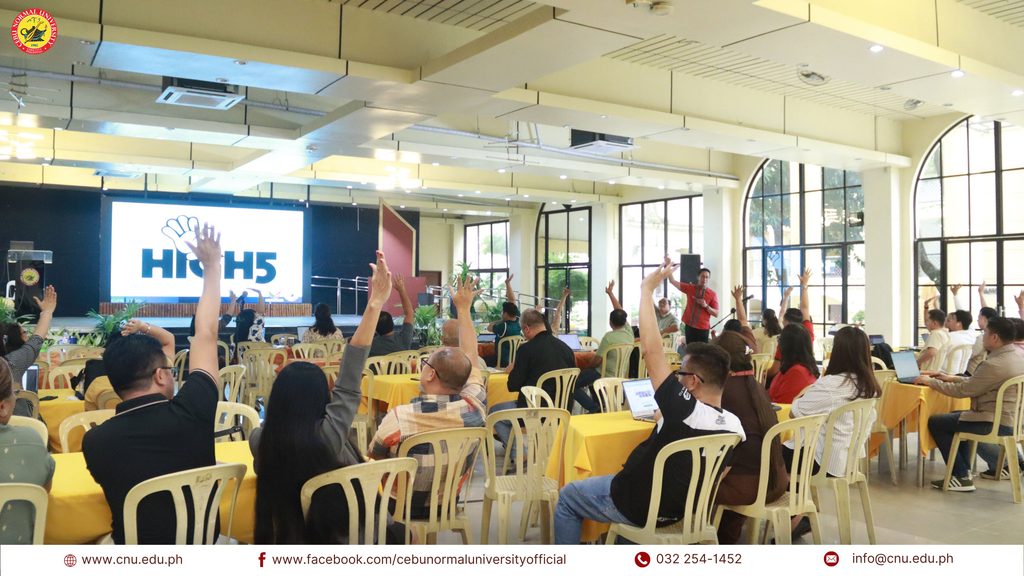
To ensure that its graduate programs remain responsive and relevant to the evolving needs of learners, industries, and communities, Cebu Normal University (CNU) graduate studies faculty members from various colleges were convened for a capacity-building workshop today at the Samuel MacClintock (SM) Hall.
Titled “Reimagining the Graduate Education Curriculum, Innovative Instructional Delivery, and Extension Engagement,” the training workshop focused on assessing the university’s graduate program offerings for compliance with relevant Commission on Higher Education (CHED) policies, standards, and guidelines.
The activity was conducted in line with the Philippine Qualifications Framework (PQF) and CHED Memorandum Order (CMO) No. 15, Series of 2019, which provides policies, standards, and guidelines for graduate programs, as well as subsequent amendments under CMO No. 21, Series of 2025.
Organized by the Institute for Research in Innovative Instructional Delivery (IRIID) in partnership with the College of Teacher Education (CTE), the workshop brought together faculty members from various colleges to review and assess current graduate programs in terms of curriculum, instructional delivery, extension engagement, and responsiveness to the demands of 21st-century higher education.
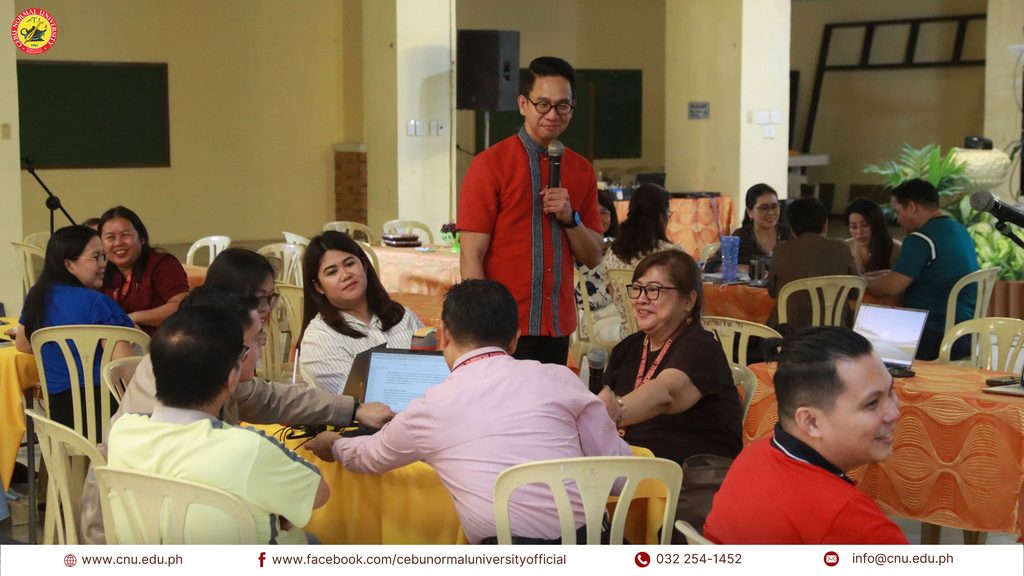
As keynote speaker, Dr. Edizon Angeles Fermin, vice president for Academic Affairs of the National Teachers College, shared insights on the changing landscape of graduate education, including the job verticalization of graduates and the importance of lifelong learning in ensuring that academic competencies remain aligned with professional and industry demands.
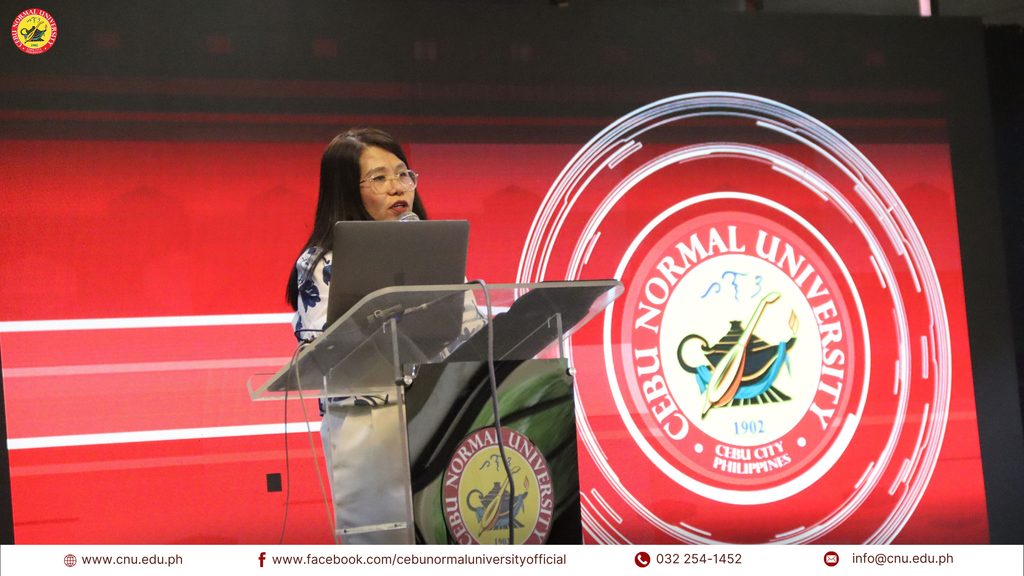
On the other hand, IRIID Director Dr. Helen Boholano emphasized that reimagining graduate education goes beyond revising syllabi.
“We also have to consider the expectations of our learners, the demands of the profession, and changing needs of communities. It calls us to ask whether our programs are still relevant, remain flexible, and outcomes-based,” she said.
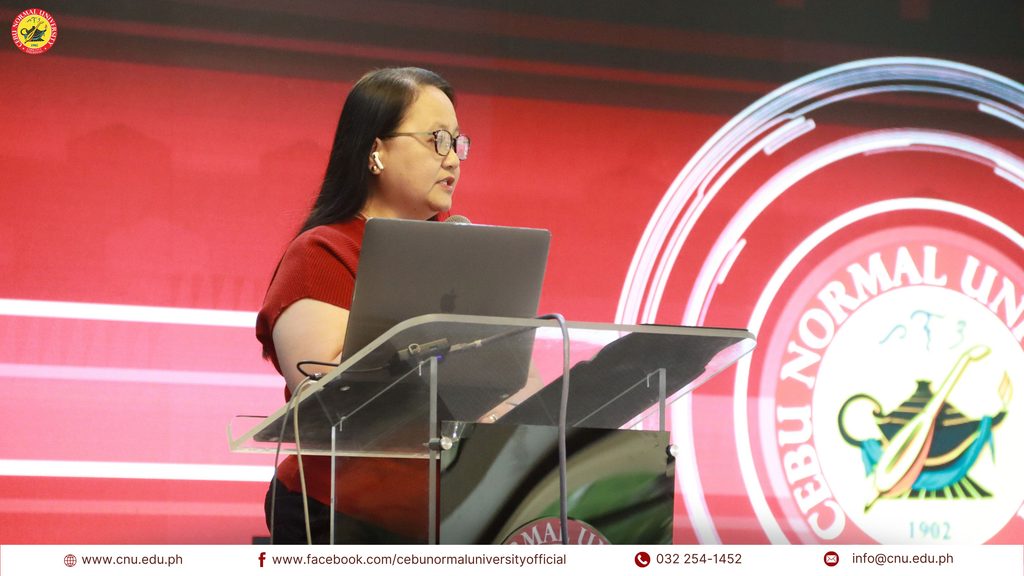
CNU Vice President for Academic Affairs Dr. Daisy Palompon likewise challenged faculty members to look beyond the traditional classroom in delivering graduate education.
“Graduate education should not end in the classroom but should end in extension activities. We should translate knowledge into action and scholarship into societal impact,” she said.
“We are not merely custodians of graduate education programs, we are architects of graduate education that will shape the kind of scholars our university produces tomorrow,” she added.
The training workshop reaffirms CNU’s commitment to further strengthen its graduate education programs and to address the evolving needs of learners, communities, and industries through relevant, flexible, outcomes-based, and socially responsive education.
Padayon, CNU!
#AlwaysCrimsonAndGold2026
#SDG4QualityEducation
#SDG17PartnershipsForTheGoals